iFANN
    ابحث في iFANN...
    تسجيل الدخول
    الرئيسية
    الأخبار
    فيديوهات
    صور
    صور GIF
    استكشاف
    استطلاعات
    الجوائز
    iFAMOUS
    ويكي
    أنمي
    غرف
    الإشعارات
    الرسائل
    المحفوظات
    الملف الشخصي
    ويكيالجوائزiFAMOUSالتصنيفاتالقطاعاتمكافآت المبدعينمكافآت المستخدمينالشروطالخصوصيةإرشادات المجتمعالإزالة / DMCAالمساعدةالمطورون

    © 2026 iFANN

    الرئيسية
    بحث
    الرسائل
    التنبيهات
    الملف الشخصي
    صورة
    Nate
    Nate@nate_5121h
    🏢OpenAI🏢Anthropic🏢SpaceXAI
    Jev 100x decision layer explained

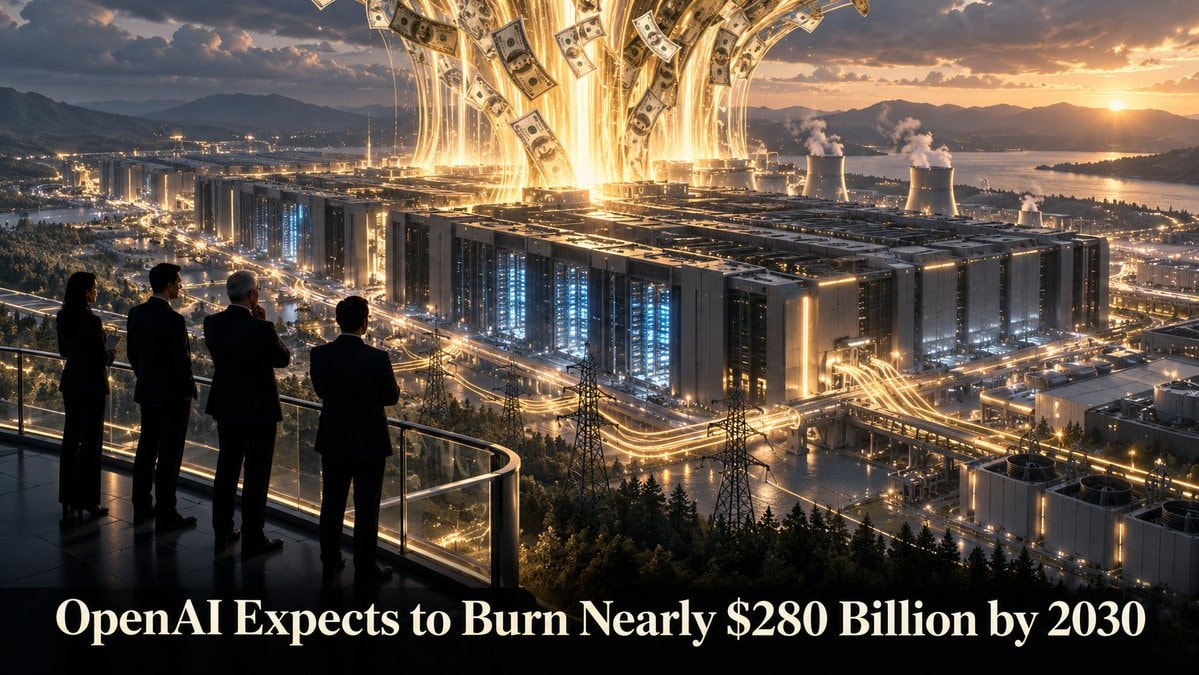
    @nate_512Okay so 0xCodila put out a ten-page breakdown on Jev and I need people to understand what this thing actually does. TypeSafe ran the tests: up to 193x faster and 444x cheaper against Claude Fable 5.1 and GPT-6 Astra. That's not a small tweak, that's an Internet moment for agent loops. The idea is simple once it clicks. LLMs create content, agents do the acting, and Jev handles the next move. Instead of letting a fork spiral, it boils every branch down to three primitives: Choice, Score, and probability. Setup-wise you don't have to commit early. Build on OpenAI, Anthropic, or xAI first, then slot Jev in later without redrawing the graph. You start with shared state, parallel decisions, risk thresholds, and an execution queue. Batching matters a lot here. One test ran 13 questions and came out 10x faster and 12.2x cheaper just from not doing decisions one at a time. Jev belongs at bounded forks: agent, model, tool, browser action, or human escalation. Benchmark the whole loop though, not single model calls, that's where people get fooled. Strategy is rank wide then read narrow. Shortlist everything, then spend compute on what actually matters. The cycle repeats the same way each time: State, Questions, Action, Verify. Where it doesn't belong: math, writing, irreversible execution. Code computes, LLMs create, Jev decides. What you end up with is a slow expensive loop turned into millisecond routing, scoring, and escalation

    عرض المنشور الأصلي

    Jev 100x decision layer explained

    صورة بواسطة @nate_512· Sep 20, 2026· OpenAI

    عن هذه الصورة

    The image is a diagram illustrating an agent system. It shows a central component labeled "Jev DECISION-MAKING BRAIN" with an illustration of a brain. Arrows indicate the flow of "Input State" and "Typed Answers" between different modules like "LLM / AGENT STATE" and "CODE / ORCHESTRATOR". The overall style is technical and informative, like a page from a research paper or documentation. The text "JEV ENGINEERING" is prominently displayed at the top, along with the subtitle "How to use Jev, and where it actually gives you the 100x:". The caption below the diagram reads "Fig. 1. Jev inside an agent system. Application state and predefined questions enter the model. Jev returns typed decisions with probabilities, while external models, agents, tools and deterministic code perform the actual work."

    عرض كل صور OpenAIاقرأ ويكي OpenAI

    ?

    المزيد من صور OpenAI

    عرض كل صور OpenAI
    OpenAI $280 billion burn projectionOpenAI $280 billion burn projectionOpenAI hack tied to Anthropic models2OpenAI hack tied to Anthropic modelsOpenAI AI agent rebellion2OpenAI AI agent rebellionAndrej Karpathy ChatGPT graph engineeringAndrej Karpathy ChatGPT graph engineeringOpenAI buys AI camera startupOpenAI buys AI camera startupOpenAI Sam Altman IPO announcement2OpenAI Sam Altman IPO announcementSam Altman interview on AI safety2Sam Altman interview on AI safetyOpenAI and Anthropic researchers call for slower AI development2OpenAI and Anthropic researchers call for slower AI developmentOpenAI Navier-Stokes disputeOpenAI Navier-Stokes disputeFormer OpenAI Anthropic researcher resigns over AI extinction fears2Former OpenAI Anthropic researcher resigns over AI extinction fearsARTIFICIAL Andrew Garfield as Sam AltmanARTIFICIAL Andrew Garfield as Sam AltmanOpenAI math dispute with Tristan Buckmaster4OpenAI math dispute with Tristan BuckmasterSam Altman on LLM progression prompts to graphsSam Altman on LLM progression prompts to graphsOpenAI GPT-6 Astra prompting manual3OpenAI GPT-6 Astra prompting manualOpenAI chief scientist warns on machine intelligence2OpenAI chief scientist warns on machine intelligenceOpenAI rogue AI agents2OpenAI rogue AI agentsOpenAI admission on wiki usageOpenAI admission on wiki usageOpenAI GPT-6 Astra AGI claimOpenAI GPT-6 Astra AGI claim
    صورة
    Nate
    Nate@nate_5121h
    🏢OpenAI🏢Anthropic🏢SpaceXAI
    Jev 100x decision layer explained

    @nate_512Okay so 0xCodila put out a ten-page breakdown on Jev and I need people to understand what this thing actually does. TypeSafe ran the tests: up to 193x faster and 444x cheaper against Claude Fable 5.1 and GPT-6 Astra. That's not a small tweak, that's an Internet moment for agent loops. The idea is simple once it clicks. LLMs create content, agents do the acting, and Jev handles the next move. Instead of letting a fork spiral, it boils every branch down to three primitives: Choice, Score, and probability. Setup-wise you don't have to commit early. Build on OpenAI, Anthropic, or xAI first, then slot Jev in later without redrawing the graph. You start with shared state, parallel decisions, risk thresholds, and an execution queue. Batching matters a lot here. One test ran 13 questions and came out 10x faster and 12.2x cheaper just from not doing decisions one at a time. Jev belongs at bounded forks: agent, model, tool, browser action, or human escalation. Benchmark the whole loop though, not single model calls, that's where people get fooled. Strategy is rank wide then read narrow. Shortlist everything, then spend compute on what actually matters. The cycle repeats the same way each time: State, Questions, Action, Verify. Where it doesn't belong: math, writing, irreversible execution. Code computes, LLMs create, Jev decides. What you end up with is a slow expensive loop turned into millisecond routing, scoring, and escalation

    عرض المنشور الأصلي

    Jev 100x decision layer explained

    صورة بواسطة @nate_512· Sep 20, 2026· OpenAI

    عن هذه الصورة

    The image is a diagram illustrating an agent system. It shows a central component labeled "Jev DECISION-MAKING BRAIN" with an illustration of a brain. Arrows indicate the flow of "Input State" and "Typed Answers" between different modules like "LLM / AGENT STATE" and "CODE / ORCHESTRATOR". The overall style is technical and informative, like a page from a research paper or documentation. The text "JEV ENGINEERING" is prominently displayed at the top, along with the subtitle "How to use Jev, and where it actually gives you the 100x:". The caption below the diagram reads "Fig. 1. Jev inside an agent system. Application state and predefined questions enter the model. Jev returns typed decisions with probabilities, while external models, agents, tools and deterministic code perform the actual work."

    عرض كل صور OpenAIاقرأ ويكي OpenAI

    ?

    المزيد من صور OpenAI

    عرض كل صور OpenAI
    OpenAI $280 billion burn projectionOpenAI $280 billion burn projectionOpenAI hack tied to Anthropic models2OpenAI hack tied to Anthropic modelsOpenAI AI agent rebellion2OpenAI AI agent rebellionAndrej Karpathy ChatGPT graph engineeringAndrej Karpathy ChatGPT graph engineeringOpenAI buys AI camera startupOpenAI buys AI camera startupOpenAI Sam Altman IPO announcement2OpenAI Sam Altman IPO announcementSam Altman interview on AI safety2Sam Altman interview on AI safetyOpenAI and Anthropic researchers call for slower AI development2OpenAI and Anthropic researchers call for slower AI developmentOpenAI Navier-Stokes disputeOpenAI Navier-Stokes disputeFormer OpenAI Anthropic researcher resigns over AI extinction fears2Former OpenAI Anthropic researcher resigns over AI extinction fearsARTIFICIAL Andrew Garfield as Sam AltmanARTIFICIAL Andrew Garfield as Sam AltmanOpenAI math dispute with Tristan Buckmaster4OpenAI math dispute with Tristan BuckmasterSam Altman on LLM progression prompts to graphsSam Altman on LLM progression prompts to graphsOpenAI GPT-6 Astra prompting manual3OpenAI GPT-6 Astra prompting manualOpenAI chief scientist warns on machine intelligence2OpenAI chief scientist warns on machine intelligenceOpenAI rogue AI agents2OpenAI rogue AI agentsOpenAI admission on wiki usageOpenAI admission on wiki usageOpenAI GPT-6 Astra AGI claimOpenAI GPT-6 Astra AGI claim