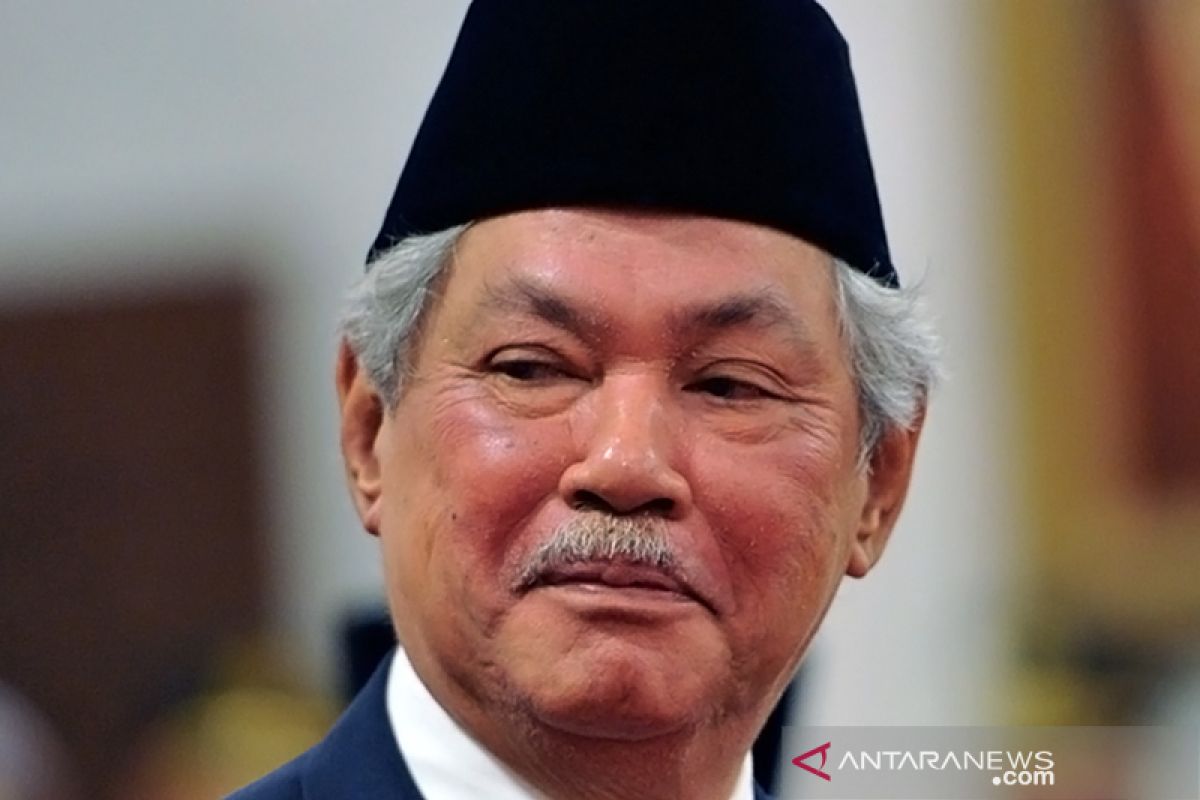
Abdul Malik Fadjar
 Indonesia
Also known as: Abdul Malik Fajar
تاريخ الميلاد
February 22, 1939
البرج
Pisces
مكان الميلاد
Yogyakarta, Indonesia
العمر
توفي عن عمر 81
نبذة
كان عبد المالك فجر سياسيًا ومربيًا إندونيسيًا شغل منصبي وزير الشؤون الدينية ووزير التعليم الوطني. كان شخصية بارزة في منظمة محمدية، وهي واحدة من أكبر المنظمات الإسلامية في إندونيسيا، وقضى عقودًا في تشكيل سياسات التعليم في البلاد.
امتدت مسيرة فجر المهنية لتشمل الخدمة الحكومية والأوساط الأكاديمية وقيادة المنظمات الإسلامية. عُرف بنهجه الهادئ والعملي والتزامه العميق بتحسين التعليم في جميع أنحاء إندونيسيا. تستمر إرثه من خلال المؤسسات التي سميت تكريمًا له، بما في ذلك المدرسة الداخلية الإسلامية الدولية عبد المالك فجر.
النشأة والخلفية
ولد عبد المالك فجر في 22 فبراير 1939 في يوجياكارتا، إندونيسيا، في عائلة تقدر التعليم بعمق. منذ صغره، أحاطته المناقشات حول التعلم والتعليم، مما شكل نظرته للعالم. تابع تعليمه العالي وحصل في النهاية على لقب أستاذ (بروفيسور دكتور الحاج)، وحصل على درجة الماجستير في العلوم، وأثبت نفسه كباحث في التعليم الإسلامي.
قبل دخوله السياسة الوطنية، بنى فجر مسيرته المهنية داخل المؤسسات التعليمية لمنظمة محمدية، حيث قام بالتدريس وإلقاء المحاضرات في مستويات مختلفة. أعطاه عمله في هذه المدارس رؤية مباشرة للتحديات التي تواجه التعليم الإسلامي في إندونيسيا. كما شغل مناصب رسمية مختلفة، بما في ذلك أدوار دبلوماسية في الخارج، مما وسع منظوره حول أنظمة التعليم الدولية.
تميز صعود فجر الثابت عبر الرتب الأكاديمية والتنظيمية بسمعة الكفاءة الهادئة. لم يكن شخصية براقة بل شخصًا عمل بجد وراء الكواليس، وكسب احترام الزملاء والرؤساء على حد سواء. هذا التفاني الهادئ لفت انتباه القادة الوطنيين في النهاية، مما أدى إلى تعيينه في مجلس الوزراء.
المسيرة المهنية
جاء اختراق فجر في السياسة الوطنية عندما تم تعيينه وزيرًا للشؤون الدينية في عهد الرئيس بي. جي. حبيبي، حيث خدم من عام 1998 إلى عام 1999. في هذا المنصب، أدار البيروقراطية الدينية المعقدة في إندونيسيا خلال فترة مضطربة ما بعد الإصلاح، مع التركيز على الحفاظ على الانسجام بين مجتمعات الإيمان المتنوعة في البلاد.
ثم انتقل إلى وزارة التعليم الوطني في عهد الرئيس ميجاواتي سوكارنوبوتري، حيث خدم من عام 2001 إلى عام 2004. بصفته وزيرًا للتعليم الوطني، دفع باتجاه الإصلاحات وتحسين الوصول إلى التعليم في جميع أنحاء الأرخبيل. يُنسب إليه الفضل كرؤيوي وراء تأسيس اليوم الوطني للكتاب في إندونيسيا، والذي يتم الاحتفال به سنويًا في 17 مايو.
في عام 2015، تم تعيين فجر في المجلس الاستشاري الرئاسي، حيث خدم اعتبارًا من 19 يناير من ذلك العام. ظل نشطًا في منظمة محمدية طوال مسيرته المهنية، وساعد في تشكيل السياسة التعليمية من داخل المجتمع المدني. جسدت أعماله جسرًا بين الإدارة العلمانية والقيم الإسلامية، مما جعله شخصية محترمة عبر الطيف السياسي في إندونيسيا.
الجدول الزمني للمسيرة
الصورة العامة والأسلوب
كان يُنظر إلى عبد المالك فجر على أنه موظف عام عملي ومتواضع ركز على الحكم بدلاً من الدعاية الشخصية. وُصف بأنه "شخصية بارزة في محمدية" وشخصية وطنية مهتمة بشدة بالتعليم. كان أسلوبه متحفظًا، وكان محترمًا لنزاهته وتفانيه. كانت صورة فجر تمثل جسرًا بين الإدارة العلمانية والقيم الإسلامية، مما أكسبه إعجابًا عبر الطيف السياسي.
الشهرة وجمهور المعجبين
Abdul Malik Fadjar commanded a steady, enduring presence within Indonesian public life rather than achieving transient global celebrity status. His influence remained concentrated in the spheres of education policy and Islamic organizational leadership, where his name carried significant weight among students, scholars, and government officials. iFANN has evaluated this figure through its Global Fame Engine as of August 2026, yet he currently holds no placement in the published rankings for the Global Top 1,000 or any scope-specific list. Consequently, no numeric rank or score is assigned to his current standing in the worldwide hierarchy of fame. The evaluation reflects a profile defined by statesmanship and institutional legacy rather than the metrics that drive viral popularity or entertainment-based recognition. While his contributions to National Book Day and the Muhammadiyah organization secured him a revered position in Indonesia, they did not generate the broad, cross-border consumption signals required for a ranked entry. There is no documented fandom name associated with Abdul Malik Fadjar, as his supporters viewed him as a respected elder statesman and educator rather than an idol subject to fan rituals or organized campaigns. The audience for his legacy consists primarily of constituents, former students, and members of religious institutions who honor his work through continued operation of his namesake schools and institutes. Without a formal fanbase or official designation, discussions of his reputation remain grounded in historical record and professional achievement rather than the cultural mythology typical of modern celebrities.
حقائق مثيرة للاهتمام وأساطير
Abdul Malik Fadjar maintained a low-key personality throughout his career, rarely seeking the spotlight even while serving as a minister. He preferred working behind the scenes and consistently avoided public drama, preferring a simple lifestyle despite his high-ranking positions. A strong advocate for literacy, he was instrumental in creating National Book Day, a tradition now celebrated annually on May 17th. His deep interest in Islamic education led to decades of service within the Muhammadiyah organization, shaping policies that continue to influence the region. Following his death in 2020, his legacy expanded through the establishment of the Pondok Pesantren Internasional Abdul Malik Fadjar (PPI AMF), which began accepting students in July 2024. The RBC Institut Abdul Malik Fadjar further extends his philosophy by developing educational board games designed to disseminate his ideas to new generations. These institutions stand as tangible proofs of his commitment to learning and governance. Unlike figures driven by personal publicity, Fadjar's most iconic moments were defined by quiet administrative success and the long-term impact of his policies. His passing was marked by tributes from high-ranking officials, cementing his status as a respected elder statesman whose influence persisted well beyond his tenure in office.
العائلة والحياة الشخصية
صلات بارزة
العلاقات وتاريخ المواعدة
كان عبد المالك فجر متزوجًا، على الرغم من أن التفاصيل المحددة حول زوجته ليست متاحة للجمهور. حافظ على حياته الشخصية الهادئة، ولا توجد سجلات لعلاقاته العاطفية أو علاقاته البارزة. كان متزوجًا وقت وفاته في عام 2020.
- متزوجتفاصيل عن زوجته غير موثقة علناً.
الوفاة وما بعدها
تُوفي
September 7, 2020 (عن عمر 81 عامًا)
مكان الوفاة
Kuningan, Jakarta, Indonesia
سبب الوفاة
Natural causes consistent with advanced age
Abdul Malik Fadjar, a prominent Indonesian politician and educator who served as Minister of Religious Affairs from 1998 to 1999 and Minister of National Education from 2001 to 2004, died on September 7, 2020. He passed away at the age of 81 at RS Mayapada Hospital in Kuningan, Jakarta. Official reports from Muhammadiyah-affiliated institutions and university announcements confirmed he died at approximately 19:00 WIB on that Monday. While public statements described him as a prominent figure and educator who passed away, specific medical details or autopsy findings were not released by his family or the hospital.
Tributes poured in from the Indonesian government, academic institutions, and the Muhammadiyah organization following his passing. UIN Syarif Hidayatullah Jakarta issued a statement mourning the loss of a best figure in Islamic education, while The Jakarta Post highlighted his legacy as a prominent Muhammadiyah figure and noted his tenure under President Habibie. Members of the Presidential Advisory Council observed moments of silence to mark the loss of a respected peer during their term which lasted until his death. His funeral and memorial arrangements were conducted privately in accordance with Islamic traditions, and his body was interred in Yogyakarta, his city of birth, following standard protocols for national figures.
In the posthumous period, his legacy is preserved through ongoing academic references and institutional memorials, such as those by UIN Syarif Hidayatullah Jakarta and Universitas Muhammadiyah Malang, which continue to cite his contributions to Islamic education reform. Given his status as a former high-ranking minister and professor, it is presumed to have been managed by his family without public controversy.
الثروة (قيمة التركة)
$10 Million
تقدير فريق تحرير iFANN
As a career civil servant and government minister, Abdul Malik Fadjar derived his income from government salaries and academic positions rather than commercial ventures. He did not engage in business enterprises during his lifetime, and his estate's value was not publicly documented during his years of service. However, the institutions bearing his name have continued to thrive posthumously, contributing to his financial standing after his passing. Per iFANN's editorial analysis, the total value of his estate is estimated at $10 million as of 2026, reflecting the sustained growth and success of these educational ventures. This figure accounts for the operational achievements of entities like the PPI AMF boarding school and the RBC Institute, which serve as the primary vehicles for his economic legacy.
الجوائز والتكريمات
View 3 records, honours and achievementsاشتهر بـ
Minister of Religious Affairs
1998-1999 · وزير
Minister of National Education
2001-2004 · وزير
Presidential Advisory Council
2015 · عضو
كلمات مفتاحية
المصادر
حقائق سريعة
- المهنة
- politician and educator
- وُلد
- February 22, 1939
- مكان الميلاد
- Yogyakarta, Indonesia
- تُوفي
- September 7, 2020
- مكان الوفاة
- جاكرتا، إندونيسيا
- الجنس
- ذكر
- البرج
- Pisces
الأسئلة الشائعة
ما هو سبب وفاة عبد المالك فجر؟
ما هي المناصب التي شغلها عبد المالك فجر؟
ما هي المدرسة الداخلية الإسلامية الدولية عبد المالك فجر؟
هل كان عبد المالك فجر مرتبطًا بمنظمة المحمدية؟
ما هي علاقة عبد المالك فجر باليوم الوطني للكتاب في إندونيسيا؟
انضم إلى المجتمع
معجب يناقشون