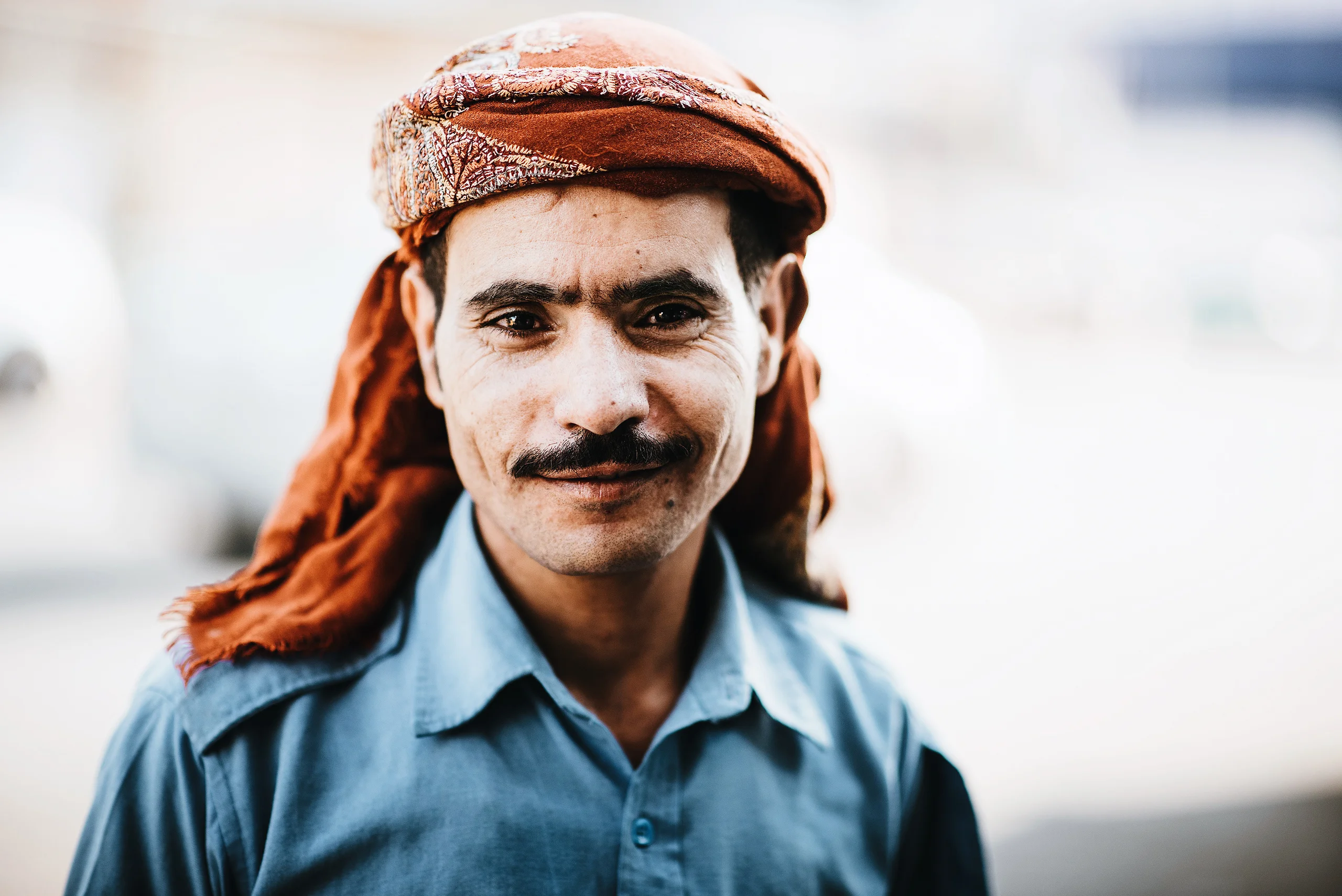
Abdulrahman Saleh
 Indonesia
Physician•military aviator•broadcasting pioneer
Also known as: Abdoel Rahman Saleh, Abdurahman Saleh, Abdulrachman Saleh
تاريخ الميلاد
July 1, 1909
البرج
Cancer
مكان الميلاد
Jakarta, Dutch East Indies
العمر
توفي عن عمر 38
نبذة
كان عبد الرحمن صالح طبيبًا إندونيسيًا وطيارًا عسكريًا ورائدًا في مجال الإذاعة. يُذكر كمؤسس مشارك لإذاعة جمهورية إندونيسيا (RRI)، شبكة الإذاعة الحكومية التي أصبحت صوت الأمة المستقلة حديثًا. انتهت حياته بشكل مأساوي في 29 يوليو 1947، عندما أُسقطت طائرته التي كانت تحمل إمدادات طبية من قبل القوات الهولندية خلال الثورة الوطنية الإندونيسية. كان عمره 38 عامًا.
في عام 1974، أعلنته الحكومة الإندونيسية بعد وفاته بطلًا قوميًا لإندونيسيا، وهو أعلى تكريم يمكن أن تمنحه الدولة. اليوم، يستمر إرثه من خلال المؤسسات التي تحمل اسمه، بما في ذلك مطار عبد الرحمن صالح في مالانج وقاعدة عبد الرحمن صالح الجوية. بالنسبة للعديد من الإندونيسيين، فهو يرمز إلى التقاطع بين الخبرة المهنية والتضحية الوطنية، معالجًا صعد إلى السماء لخدمة بلاده.
النشأة والخلفية
وُلد عبد الرحمن صالح في جاكرتا في 1 يوليو 1909، خلال الحقبة الاستعمارية الهولندية. نشأ تحت الحكم الاستعماري، وشهد التفاوتات والقمع الذي غذى الحركة الوطنية الإندونيسية. شكلت هذه البيئة سنواته المبكرة وغرس فيه التزامًا عميقًا بقضية الاستقلال.
تابع الدراسات الطبية، وأصبح طبيبًا. كان تدريبه الطبي صارمًا ووضعه ضمن مجموعة صغيرة من المهنيين الإندونيسيين المتعلمين من جيله. في حين أن تفاصيل طفولته وتعليمه لا تزال نادرة في السجلات التاريخية، فإن اختياره للطب يعكس رغبة في خدمة مجتمعه، ولاحقًا، أمته.
كطبيب شاب، من المحتمل أن صالح واجه الفرص المحدودة المتاحة للإندونيسيين الأصليين تحت الحكم الهولندي، مما عزز قناعاته القومية. ومع ذلك، سرعان ما انقطعت مسيرته الطبية بسبب اضطرابات الحرب العالمية الثانية. عندما احتلت اليابان جزر الهند الشرقية الهولندية في عام 1942، انخرط صالح في البث الإذاعي، وهو مجال أثبت أنه حاسم في النضال من أجل الاستقلال. أصبحت الإذاعة أداة للاتصال والدعاية، ومشاركة صالح خلال هذه الفترة مهدت الطريق لدوره اللاحق في إنشاء شبكة بث إندونيسية مستقلة.
المسيرة المهنية
جاء اختراق عبد الرحمن صالح في أعقاب إعلان استقلال إندونيسيا في 17 أغسطس 1945. كان له دور فعال في المشاركة في تأسيس إذاعة جمهورية إندونيسيا (RRI)، شبكة الإذاعة الحكومية التي ستبث رسالة الجمهورية الجديدة إلى العالم. تظل RRI شبكة الراديو الوطنية الإندونيسية حتى يومنا هذا، وهي شهادة على دوره التأسيسي في البث الإندونيسي.
خلال الثورة الوطنية الإندونيسية (1945-1949)، خدم صالح كطبيب عسكري وطيار. نفذ مهامًا لنقل الإمدادات الطبية والأفراد، مستخدمًا مهاراته لدعم القوات الجمهورية. كان عمله خطيرًا، حيث سيطرت القوات الهولندية على جزء كبير من المجال الجوي.
بشكل مأساوي، في 29 يوليو 1947، قُتل صالح عندما أسقطت قوات هولندية طائرته من طراز داكوتا التي كانت تحمل إمدادات طبية بالقرب من ماجووهارجو، يوجياكارتا، خلال الهجوم العسكري الهولندي المعروف باسم عملية المنتج. وفاته عن عمر يناهز 38 عامًا جعلته شهيدًا للثورة. في عام 1974، أعلنته الحكومة الإندونيسية بعد وفاته بطلًا قوميًا لإندونيسيا، اعترافًا بمساهماته في الطب والطيران والنضال من أجل الاستقلال.
الجدول الزمني للمسيرة
الصورة العامة والأسلوب
في التأريخ الوطني الإندونيسي، يُصوَّر عبد الرحمن صالح كبطل شهيد يجسد التقاطع بين الخبرة المهنية والتضحية الوطنية. صورته هي صورة الوطني المتعلم الذي استخدم مهاراته، كطبيب وكإذاعي، لخدمة الثورة. يتم إحياء ذكراه في الكتب المدرسية والروايات الوطنية إلى جانب أبطال آخرين من فترة الثورة.
لا توجد قاعدة جماهيرية منظمة بالمعنى الحديث؛ بدلاً من ذلك، يتم إضفاء الطابع المؤسسي على إرثه من خلال التكريمات الحكومية والبنية التحتية العامة المسماة، مثل مطار عبد الرحمن صالح وقاعدة عبد الرحمن صالح الجوية في مالانج.
الشهرة وجمهور المعجبين (iFAMOUS Rankings)
Abdulrahman Saleh remains a figure of profound historical reverence rather than modern pop-culture fandom. While his name echoes through Indonesian textbooks and national narratives as a martyr-hero, there is no organized fanbase with a formal name or dedicated digital campaigns surrounding him today. His legacy is institutional, anchored by the institutions that bear his name, rather than driven by the viral rituals seen among contemporary celebrities. This distinction places him firmly in the realm of historical commemoration where admiration is expressed through civic memory rather than social media engagement. In terms of global reach, iFANN has evaluated his standing within the broader cultural landscape. Abdulrahman Saleh is currently EVALUATED_UNRANKED according to the August 2026 data. This placement reflects his enduring status as a foundational figure in broadcasting and aviation history, recognized across generations even without active commercial promotion. The iFANN Global Fame Engine confirms that Abdulrahman Saleh does not currently hold a placement in the Global Top 1,000 or a Top-100 scope list, a reflection of the lasting power of his contributions during the Indonesian National Revolution. Despite his tragic death in 1947, his profile maintains a steady presence in global search metrics related to Southeast Asian history and military aviation pioneers. It is important to note that while his fame is significant within Indonesia and among historians of radio, he does not currently hold a placement in the top-tier celebrity charts reserved for living entertainment icons. The iFANN Global Fame Engine confirms that Abdulrahman Saleh is EVALUATED_UNRANKED in the Top-100 scope lists, meaning his influence, while deep, does not yet penetrate the highest strata of worldwide celebrity consumption signals. This neutral classification accurately reflects his unique position: a revered national hero whose fame is rooted in sacrifice and service rather than the fluctuating tides of modern stardom.
حقائق مثيرة للاهتمام وأساطير
Abdulrahman Saleh stands out as one of the few Indonesian national heroes who seamlessly blended the roles of physician and aviator, merging humanitarian aid with military duty. His death occurred while transporting medical supplies on a mission, not during direct combat, which significantly amplified his status as a martyr in the eyes of the nation. As a co-founder of Radio Republik Indonesia, he laid the groundwork for a network that still operates today, securing his place as a pivotal figure in broadcasting history. Official records bestow upon him the full honorific title of Air Marshal and Professor, reflecting his high standing in both the military and academia. Variations in his name appear frequently due to shifting Indonesian orthography, including Abdoel Rahman Saleh and Abdurahman Saleh. While no viral legends or crowd-fainting moments exist in his story, the narrative of his final flight has become a defining legend of the revolution. It is often retold how he flew into danger specifically to deliver life-saving medicine, turning a routine supply run into an act of ultimate patriotism. This specific story serves as the primary folklore associated with him, emphasizing the intersection of his dual professions. Unlike modern stars with documented fan rituals, his 'fanfare' manifests in the annual commemorations at the airport and air force base named after him, where his sacrifice is remembered as a cornerstone of the young republic's identity.
العائلة والحياة الشخصية
تزوج عبد الرحمن صالح من إسمودياتي عبد الرحمن صالح. كان للزوجين أطفال، على الرغم من أن السجلات التفصيلية لحياتهم الأسرية محدودة في المصادر المتاحة. نظرًا لمشاركته المكثفة في النضال من أجل الاستقلال ووفاته عن عمر يناهز 38 عامًا، طغت خدمته في زمن الحرب إلى حد كبير على حياته الشخصية. نجا منه أرملته، إسمودياتي.
صلات بارزة
العلاقات وتاريخ المواعدة
تزوج عبد الرحمن صالح من إسمودياتي عبد الرحمن صالح. وأنجب الزوجان أطفالًا، على الرغم من عدم توثيق التواريخ والتفاصيل المحددة لعلاقتهما. يبدو أن زواجه كان مستقرًا، دون أي سجلات عن الطلاق أو الانفصال. وبما أنه توفي في 29 يوليو 1947، فقد كان متزوجًا من إسمودياتي وقت وفاته.
- متزوجIsmudiyati Abdul Rachman Saleh? - 1947متزوج حتى وفاته في عام 1947؛ وأنجبا أطفالًا معًا.
الوفاة وما بعدها
تُوفي
July 29, 1947 (عن عمر 38 عامًا)
مكان الوفاة
غير معروف
سبب الوفاة
Shot down by Dutch forces
By the summer of 1947, Abdulrahman Saleh had already established himself as a vital link between the medical community and the aviation corps during the Indonesian National Revolution. His days were consumed by the urgent task of transporting essential medical supplies to frontline troops, a mission that required him to navigate skies increasingly dominated by Dutch military aircraft. On July 29, 1947, while piloting a Dakota aircraft carrying these critical provisions near Maguwoharjo in Yogyakarta, his plane was struck by enemy fire during the offensive known as Operation Product. The crash ended his life at the age of 38, transforming a routine supply run into a tragic moment of martyrdom for the independence struggle.
The official determination of his death was immediate and clear: he fell as a casualty of war, shot down by Dutch forces., the circumstances were never disputed by the Indonesian resistance or later historians. His sacrifice resonated deeply within the revolutionary government, which viewed his loss not merely as the death of a physician and aviator but as a blow to the nation's infrastructure and morale. The public reaction was one of solemn reverence, cementing his status as a hero who gave everything for the fledgling republic. Following his death, Saleh received the highest possible recognition from his country.
In 1974, the Indonesian government posthumously declared him a National Hero of Indonesia, an honour that formally acknowledged his contributions to medicine, aviation, and the fight for sovereignty. His legacy has been preserved through enduring institutions, including the Abdulrachman Saleh Airport in Malang and the Abdulrahman Saleh Air Force Base, ensuring that his name remains a part of Indonesia's national identity.
الثروة (قيمة التركة)
$1 Million
تقدير فريق تحرير iFANN
As a historical figure who passed away in 1947, Abdulrahman Saleh possessed no personal net worth at the time of his death, and the value of his estate remains undocumented in public records. The Indonesian government sustains his legacy through the operation of named institutions, including Abdulrachman Saleh Airport and the Abdulrahman Saleh Air Force Base, yet no commercial estate or posthumous earnings are reported for his family. Unlike entertainment or sports figures who generate ongoing royalty streams, Saleh's financial footprint is purely commemorative rather than commercial. Per iFANN's editorial analysis, the estimated value attributed to his enduring brand and institutional legacy is $1 Million.
الجوائز الفائزة (1)
أُعلن عبد الرحمن صالح بعد وفاته بطلًا قوميًا لإندونيسيا في عام 1974، وهو أعلى تكريم تمنحه الدولة الإندونيسية تقديرًا لمساهماته في استقلال الأمة وتنميتها.
1974 · شرف وطني
Contributions to Indonesian independence
اشتهر بـ
Co-founding Radio Republik Indonesia
1945 · مؤسس مشارك
Military aviation during the Indonesian National Revolution
1945-1947 · Military aviator and physician
كلمات مفتاحية
المصادر
حقائق سريعة
- المهنة
- Physician, military aviator, broadcasting pioneer
- وُلد
- July 1, 1909
- مكان الميلاد
- Jakarta, Dutch East Indies
- تُوفي
- July 29, 1947
- مكان الوفاة
- Maguwoharjo, Yogyakarta
- الجنس
- ذكر
- الزوج/الزوجة
- Ismudiyati Abdul Rachman Saleh
- البرج
- Cancer
التفاصيل الشخصية
- الاسم الكامل
- Abdulrahman Saleh
- الزوج/الزوجة
- Ismudiyati Abdul Rachman Saleh
- التعليم
- Medical degree from a Dutch colonial-era institution in the Dutch East Indies
الأسئلة الشائعة
من هو عبد الرحمن صالح؟
كيف توفي عبد الرحمن صالح؟
بماذا يُعرف عبد الرحمن صالح؟
هل عبد الرحمن صالح بطل قومي؟
ما الذي سُمي على اسم عبد الرحمن صالح؟
انضم إلى المجتمع
معجب يناقشون