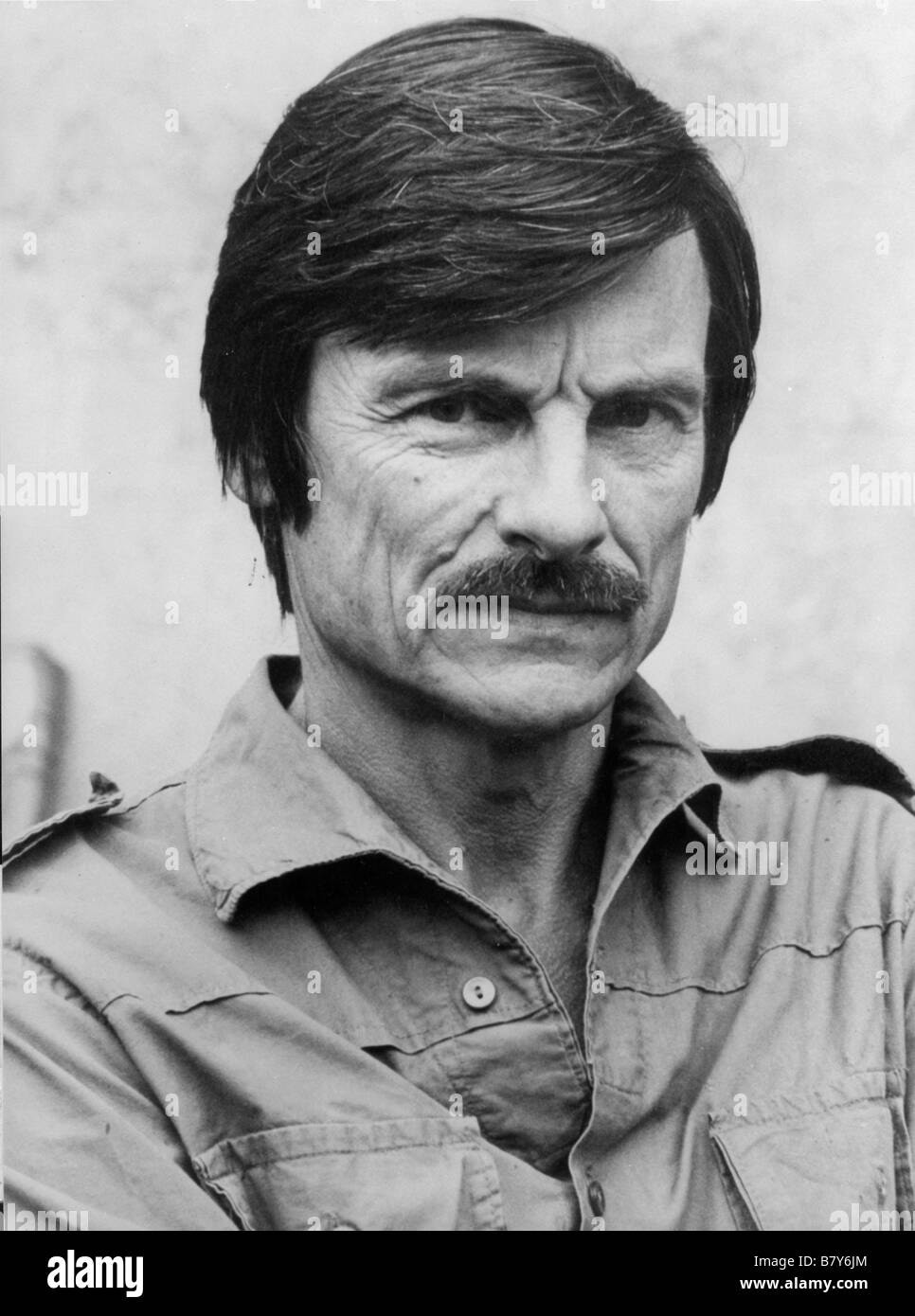
Andrei Tarkovsky
 Russia
Film director•screenwriter•film theorist
تاريخ الميلاد
April 4, 1932
البرج
Aries
مكان الميلاد
Zavrazhye, Ivanovo Oblast, Russian SFSR, Soviet Union
العمر
توفي عن عمر 54
الطول
5 ft 9 in (175 cm)
نبذة
Andrei Tarkovsky was one of cinema's most revered directors, a Soviet-born artist whose seven feature films and one documentary transformed how we think about time, memory, and spirituality on screen. His work, marked by impossibly long takes, elemental imagery of rain and fire, and a deep, almost liturgical patience, feels less like storytelling and more like prayer. Films such as Stalker, Solaris, and Mirror are not just watched; they are inhabited. Today, Tarkovsky's influence spans from arthouse theaters to Hollywood auteurs like Christopher Nolan and Terrence Malick. His book Sculpting in Time remains a foundational text for filmmakers worldwide. In 2012, Sight & Sound placed three of his films on its list of the 100 greatest movies ever made, a feat matched by very few directors. Though he died in 1986, his estate, managed by his son and the Tarkovsky Foundation, continues to license his films for restoration and festival retrospectives, keeping his vision alive for new generations.
النشأة والخلفية
نشأ تاركوفسكي في قرية زافراجي الريفية، حيث كان والده الشاعر أرسيني تاركوفسكي غائبًا في الغالب. انفصل والداه عندما كان طفلاً، وهو حدث ترك أثرًا دائمًا على مشاعره. انتقل إلى موسكو مع والدته ماريا فيشنياكوفا، المترجمة، والتحق بمدرسة الموسيقى وتعلم العزف على البيانو. كما درس اللغة العربية في معهد اللغات الشرقية، لكنه لم يشعر بدعوة حقيقية. في عام 1954، التحق بمعهد السينما الحكومي لعموم الاتحاد (VGIK)، مدرسة السينما الرائدة في الاتحاد السوفيتي، ودرس تحت إشراف المخرج الشهير ميخائيل روم. أدرك روم موهبة تاركوفسكي غير العادية وأعطاه مساحة لتطوير صوته الخاص. فاز فيلم تخرجه، البخار والكمان (1961)، وهو فيلم قصير عن صبي وعامل بناء، بالجائزة الأولى في مهرجان نيويورك لأفلام الطلاب. فتح هذا الانتصار الصغير الباب أمام فيلمه الروائي الأول.
المسيرة المهنية
فاز فيلم تاركوفسكي الروائي الأول، طفولة إيفان (1962)، بجائزة الأسد الذهبي في فينيسيا، مما وضعه على الفور على المسرح العالمي. تبعه فيلم أندريه روبليف (1966)، وهو ملحمة ضخمة عن رسام الأيقونات في العصور الوسطى، أوقفتها السلطات السوفيتية لمدة خمس سنوات. فاز سولاريس (1972) بجائزة غراند بري سبيسيال في مهرجان كان، على الرغم من أن تاركوفسكي تبرأ من نسخة الاستوديو. كان المرآة (1975) مذكرات جذرية غير خطية حيرت الرقباء لكنها أصبحت لاحقًا معلمًا بارزًا. دفع ستوكر (1979) أسلوبه إلى أقصى حدوده: رحلة فلسفية بطيئة عبر منطقة محظورة. بعد ستوكر، انشق تاركوفسكي إلى الغرب، وصنع نوستالجيا (1983) في إيطاليا والتضحية (1986) في السويد. فاز التضحية بجائزة غراند بري في مهرجان كان وجائزة بافتا لأفضل فيلم بلغة أجنبية. في عام 1986، نشر النحت في الزمن، أطروحته الأساسية في السينما. توفي بالسرطان في وقت لاحق من ذلك العام، والذي تفاقم على الأرجح بسبب المواد الكيميائية السامة في موقع تصوير ستوكر.
الجدول الزمني للمسيرة
الصورة العامة والأسلوب
غالبًا ما يُطلق على تاركوفسكي لقب أكثر مخرج سينمائي روحاني في تاريخ السينما. أسلوبه المميز، اللقطات الطويلة للغاية، الصوت الطبيعي، وصور الماء والنار والأنقاض المتداعية، يخلق تجربة منومة وتأملية. يجتمع المعجبون، الذين يطلق عليهم أحيانًا اسم التاركوفسكيين، عبر الإنترنت لتشريح كل إطار، وتعتبر إصدارات مجموعة كريتيريون لأفلامه كنوزًا. تركز الصور الإعلامية على وضعه كشهيد للرقابة السوفيتية وشاعر الزمن. يعيش حضوره على وسائل التواصل الاجتماعي من خلال حسابات المعجبين، التي تتعامل مع أعماله بتقديس يكاد يكون دينيًا.
الشهرة وجمهور المعجبين
Global attention for Andrei Tarkovsky remains steady across a century of cinematic history, anchored by the enduring influence of his seven feature films and theoretical writings. According to the iFANN Global Fame Rankings, he holds the position of the 10th most famous person from Russia, a placement that has held steady since the previous cycle. This standing reflects a consistent flow of scholarly engagement and cultural consumption rather than fleeting viral moments. While no formal organization unites his admirers, a decentralized network of cinephiles, film students, and academic circles sustains his legacy through university screenings and critical analysis. These devotees, often referred to as Tarkovsky fans or simply cinephiles, operate without the structured activism seen in modern pop culture, preferring instead to dissect the spiritual and temporal dimensions of his work. The absence of a specific moniker for this group underscores the intellectual nature of their reverence, which focuses on the preservation of his films via institutions like The Criterion Collection rather than commercial campaigns. His status as a poet of time ensures that his image persists not through celebrity gossip but through the quiet, profound realization experienced by viewers encountering his slow pacing and elemental imagery.
حقائق مثيرة للاهتمام وأساطير
Before dedicating himself to cinema, Tarkovsky studied Arabic and music, disciplines that informed his later visual rhythms. He famously refused to watch his own completed films, asserting they belonged entirely to the audience. His father's poetry is recited within both Mirror and Nostalghia, weaving personal history into the narrative fabric. During production, he was a heavy smoker who consumed strong black tea constantly. He named his dog Pata after a character in Nostalghia and once stated that if forced to save only one film from destruction, he would choose Mirror. Beyond these biographical details, a persistent legend surrounds his forced exile from the Soviet Union; denied permission to film about Tolstoy, he left the country under political pressure to direct Nostalghia in Italy, cementing his image as an artist defying totalitarianism. Another widely retold story concerns his final resting place: although he wished to be buried near his mother in Nice, France, his body remained there until 2009, when a long legal struggle finally allowed his family to inter him at Moscow's Novodevichy Cemetery.
اقتباسات بارزة
“The allotted function of art is not, as is often assumed, to put across ideas, to propagate thoughts, to serve as an example. The aim of art is to prepare a person for death, to plough and harrow his soul, rendering it capable of turning to good.”
“The cinema is an art form that is not about something, it is something.”
“I am interested in the inner world of a person, and it is quite natural that the cinema, which is capable of penetrating into the deepest recesses of the human soul, should be the art form that can express the most intimate experiences.”
“The film is not a sequence of images, but a sequence of time.”
“I don't make films for the audience. I make them for myself. If the audience likes them, that's fine.”
العائلة والحياة الشخصية
والد تاركوفسكي، أرسيني تاركوفسكي، كان شاعرًا مشهورًا تظهر أعماله في أفلام ابنه. والدته، ماريا فيشنياكوفا، كانت مترجمة قامت بتربيته بعد الطلاق. لديه ولدان: أرسيني (مواليد 1962) من زوجته الأولى إيرما راوش، وميخائيل (مواليد 1971) من زوجته الثانية لاريسا تاركوفسكايا. ميخائيل كاتب وناشط في مجال الحفاظ على البيئة يعيش في سيبيريا. شكلت البيئة الروحية والفكرية للأسرة رؤية تاركوفسكي الفنية بعمق.
صلات بارزة
المتعاونون الرئيسيون لتاركوفسكي يشملون والده الشاعر أرسيني تاركوفسكي الذي تظهر أبياته في المرآة ونوستالجيا؛ ومعلمه ميخائيل روم؛ والمصورين السينمائيين جورجي ريربرغ (المرآة، ستوكر) وفاديم يوسوف (طفولة إيفان، أندريه روبليف)؛ والملحن إدوارد أرتيمييف (سولاريس، المرآة، ستوكر)؛ والممثلين أناتولي سولونيتسين، ومارغريتا تيريخوفا، وإرلاند جوزيفسون.
العلاقات وتاريخ المواعدة
تزوج تاركوفسكي الممثلة إيرما راوش في عام 1957. شاركت في فيلمه القصير البخار والكمان وفي طفولة إيفان. أنجبا ابنًا، أرسيني، في عام 1962، وتطلقا في عام 1970. في نفس العام، تزوج لاريسا كيزيلوفا (لاحقًا تاركوفسكايا)، التي عملت كمشرفة النص ومحررة له في كل فيلم من المرآة فصاعدًا. أنجبا ابنًا، ميخائيل، في عام 1971. بقي تاركوفسكي متزوجًا من لاريسا حتى وفاته في عام 1986؛ توفيت هي في عام 1998.
- متزوجIrma Raush1957 - 1970تزوج في 1957؛ شاركت في أفلامه المبكرة؛ أنجبا ابنًا واحدًا، أرسيني؛ تطلقا في 1970.
- متزوجLarisa Tarkovskaya1970 - 1986تزوج في 1970؛ عملت كمشرفة النص ومحررة له في جميع الأفلام من المرآة فصاعدًا؛ أنجبا ابنًا، ميخائيل؛ بقي متزوجًا حتى وفاته.
الوفاة وما بعدها
تُوفي
December 29, 1986 (عن عمر 54 عامًا)
مكان الوفاة
Paris, Île-de-France, France
سبب الوفاة
Lung cancer complications
Andrei Arsenyevich Tarkovsky passed away on December 29, 1986, in Paris, France, following a long struggle with lung cancer that had been confirmed by medical professionals prior to his death. The director had traveled to the French capital earlier that year to undergo surgery for the condition after being denied permission to remain in the Soviet Union due to his political stance and the controversial nature of his films. His final public appearance is generally considered to be the completion of his last film, The Sacrifice (Offret), which premiered at Cannes in May 1986, after which he continued post-production work while his health declined until his passing. Public reaction within the international cinema community was marked by widespread mourning, with tributes pouring in from peers and institutions who recognized him as one of the greatest directors in history.
Although immediate large-scale fan vigils were limited by the geopolitical context of the late Soviet era, the decades following his death saw an exponential growth in his influence, leading to numerous retrospectives and academic studies. His funeral took place on January 3, 1987, in Paris as a private affair attended by close friends, family, and colleagues, including his wife Larisa Tarkovskaya and his son Andrey Tarkovsky Jr., where he was cremated and his ashes interred at the Cimetière de Montmartre. Posthumously, Tarkovsky's estate has been managed by his family to ensure the preservation and distribution of his works, with several films receiving critical re-evaluations and restorations.
الثروة (قيمة التركة)
$1.5 Million
تقدير فريق تحرير iFANN
Since Andrei Tarkovsky passed away, his net worth represents the current value of his estate. No official public figure manages the assets directly, but the estate, overseen by his son Mikhail and the Tarkovsky Foundation, generates steady revenue through royalties from his seven feature films, streaming agreements with the Criterion Channel and Kanopy, home video sales including Criterion Collection box sets, and licensing for festival screenings. Income also flows from his book Sculpting in Time and published diaries such as Time Within Time. Per iFANN's editorial analysis, the estate is estimated at approximately $1.5 million as of 2026, based on modest but consistent earnings from classic film rights and intellectual property.
الجوائز الفائزة (28)
فاز تاركوفسكي بجائزة الأسد الذهبي في فينيسيا عن فيلم طفولة إيفان وبالجائزة الكبرى الخاصة عن فيلم سولاريس في كان. فيلمه الأخير، التضحية، نال الجائزة الكبرى في كان وجائزة بافتا لأفضل فيلم بلغة أجنبية. كما حصل على جائزة لجنة التحكيم الخاصة في فينيسيا عن فيلم أندريه روبليف وشارك في جائزة أفضل مخرج في كان عن فيلم نوستالجيا. في عام 1990، مُنح بعد وفاته جائزة لينين، وهي واحدة من أعلى الأوسمة السوفيتية.
1988 · أفضل فيلم بلغة أجنبية
The Sacrifice
1987 · عن فيلم «التضحية»
اشتهر بـ
Stalker
1979 · Director, Screenwriter
Solaris
1972 · Director, Screenwriter
Andrei Rublev
1966 · Director, Screenwriter
Mirror
1975 · Director, Screenwriter
The Sacrifice
1986 · Director, Screenwriter
كلمات مفتاحية
حقائق سريعة
- المهنة
- Film director, screenwriter, film theorist
- وُلد
- April 4, 1932
- مكان الميلاد
- Zavrazhye, Ivanovo Oblast, Russian SFSR, Soviet Union
- تُوفي
- December 29, 1986
- مكان الوفاة
- Paris, France
- الجنس
- ذكر
- الطول
- 5 ft 9 in (175 cm)
- الزوج/الزوجة
- Irma Raush (1957–1970), Larisa Tarkovskaya (1970–1986)
- Children
- 2 sons: Arseny and Mikhail
- Education
- All-Union State Institute of Cinematography (VGIK)
- البرج
- Aries
التفاصيل الشخصية
- الاسم الكامل
- Andrei Arsenyevich Tarkovsky
- الطول
- 5 ft 9 in (175 cm)
- الزوج/الزوجة
- Irma Raush (1957–1970), Larisa Tarkovskaya (1970–1986)
- الأبناء
- Arseny Tarkovsky (born 1962), Mikhail Tarkovsky (born 1971)
- التعليم
- All-Union State Institute of Cinematography (VGIK), studied under Mikhail Romm
الأعمال السينمائية
8
الإجمالي
7
سينما
0
تلفزيون
الأسئلة الشائعة
كم كان عمر أندريه تاركوفسكي عندما توفي؟
ما هي ثروة أندريه تاركوفسكي؟
هل كان لأندريه تاركوفسكي أطفال؟
ما هو أشهر فيلم لأندريه تاركوفسكي؟
هل كان أندريه تاركوفسكي متدينًا؟
انضم إلى المجتمع
معجب يناقشون