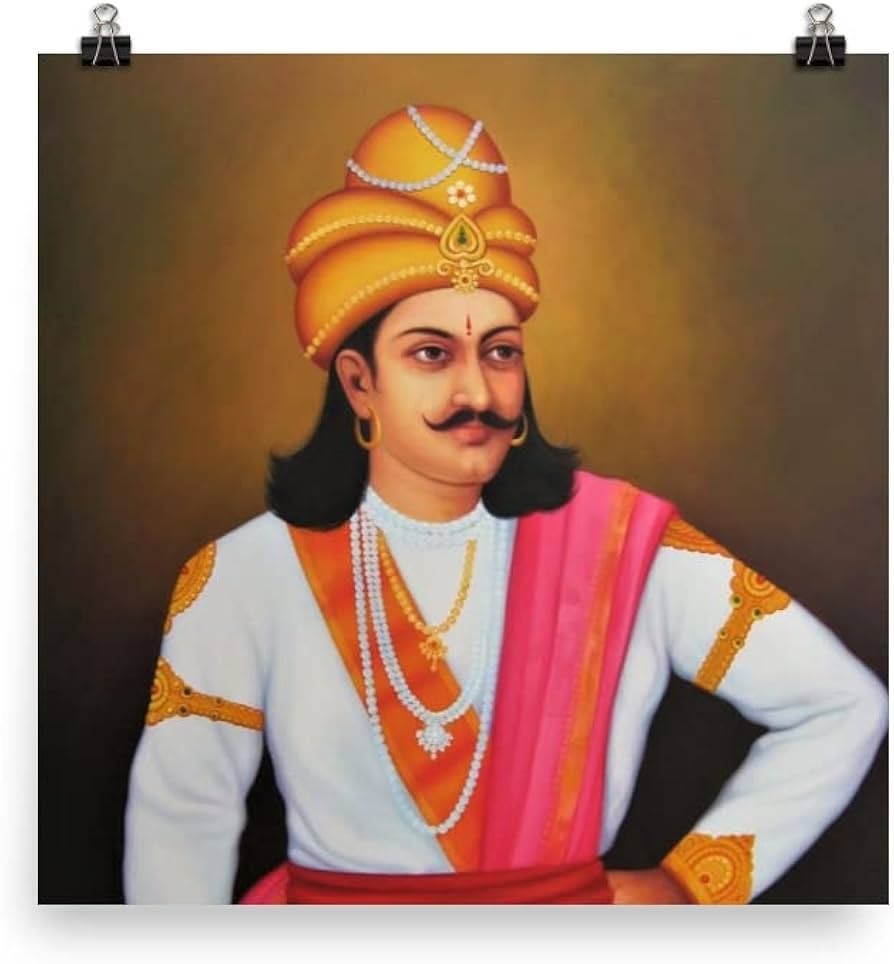
Ashoka
Also known as: Devanampriya Priyadarshi, Ashoka the Great
تاريخ الميلاد
304 BCE
البرج
Capricorn
مكان الميلاد
Pataliputra (modern Patna, Bihar, India)
العمر
توفي عن عمر 72
نبذة
Ashoka was the third Mauryan emperor who ruled over a vast empire stretching from Afghanistan to Bangladesh from his capital at Pataliputra. He is best known for his dramatic transformation from a ruthless conqueror to a peacemaker after the bloody Kalinga War. Today, his legacy is woven into the fabric of modern India: the Lion Capital of Ashoka serves as the national emblem and the Ashoka Chakra adorns the center of the national flag. His edicts, carved on pillars and rocks across the subcontinent, are among the earliest decipherable written records in South Asia. They promote nonviolence, religious tolerance, and ethical governance. Ashoka's patronage helped transform Buddhism from a regional sect into a global faith, with missionaries dispatched as far as Sri Lanka and the Hellenistic world. For centuries after his death, he was largely forgotten until 19th-century scholars deciphered the Brahmi script and rediscovered his empire. In 1999, TIME magazine listed him among the 100 most important people of the past millennium.
النشأة والخلفية
وُلد أشوكا حوالي عام 304 قبل الميلاد في باتاليبوترا، ابن الإمبراطور بندوسارا والملكة سوبهادرانجي، وهي ملكة أقل شأنًا. وفقًا للنصوص البوذية مثل أشوكافادانا، لم يكن المفضل لدى والده ووُصف بأنه ذو بشرة خشنة، مما أدى إلى إهماله. تلقى التدريب الأميري القياسي في الحرب والسياسة والإدارة. جاءت لحظة محورية عندما أرسله والده لقمع تمرد في منطقة أفانتي، المتمركزة في أوجاين. نجح أشوكا، مظهرًا قدرته العسكرية. خلال هذه المهمة، وقع في حب ديفي، ابنة تاجر من فيديشا، التي أصبحت زوجته الأولى ويُعتقد أنها عرّفته على التعاليم البوذية. عندما توفي بندوسارا حوالي عام 272 قبل الميلاد، اندلعت حرب خلافة وحشية. تدّعي المصادر البوذية أن أشوكا قتل 99 من إخوته غير الأشقاء لتأمين العرش، رغم أن هذا مبالغ فيه على الأرجح. بعد فترة انتقالية دامت أربع سنوات، توج رسميًا في عام 268 قبل الميلاد عن عمر يناهز 36 عامًا.
المسيرة المهنية
بدأ عهد أشوكا بالتوسع العسكري، لكن كل شيء تغير مع حرب كالينجا حوالي عام 260 قبل الميلاد. كانت الحملة الأكثر دموية في حكمه، مما أسفر عن مقتل حوالي 100,000 شخص وترحيل 150,000. مذعورًا من المذبحة، اعتنق أشوكا البوذية علنًا واعتمد سياسة الداما، أو السلوك القويم. تخلى عن الفتح العسكري وركز بدلاً من ذلك على الحكم الأخلاقي. على مدى العقدين التاليين، أقام 33 مرسومًا منحوتًا على الأعمدة والصخور وجدران الكهوف عبر إمبراطوريته، مكتوبة بالبراكريتية واليونانية والآرامية. روجت هذه المراسيم للاعنف والتسامح الديني ورعاية الحيوان والسلوك الأخلاقي. حوالي عام 250 قبل الميلاد، عقد المجلس البوذي الثالث في باتاليبوترا لتطهير السانغا وحل الخلافات العقائدية. ثم أرسل مبشرين إلى سريلانكا، بقيادة ابنه ماهيندا وابنته سانغاميتا، وإلى جنوب شرق آسيا وآسيا الوسطى والممالك الهلنستية. كما بنى آلاف الأستوبات والأديرة، وأشهرها الأستوبا العظيمة في سانشي وعاصمة الأسد في سارناث، والتي أصبحت لاحقًا الشعار الوطني للهند. توفي أشوكا في عام 232 قبل الميلاد عن عمر يناهز 72 عامًا. في غضون 50 عامًا، بدأت الإمبراطورية الموريانية في الانحدار.
الجدول الزمني للمسيرة
الصورة العامة والأسلوب
عادة ما يُصوَّر أشوكا كشخصية ملكية بتعبير هادئ وتأملي، وغالبًا ما يظهر مع رموز بوذية مثل اللوتس والعجلة والأستوبا. صورته هي صورة بطل مأساوي خضع لتحول أخلاقي عميق. تؤكد الأفلام والكتب والأفلام الوثائقية على حرب كالينجا كنقطة محورية. تناقش المجتمعات عبر الإنترنت، مثل subreddit r/Ashoka الذي يضم 5000 عضو، مراسيمه وتناقش تاريخيته. تقدمه القنوات الأكاديمية والوثائقية كنموذج للحكم الأخلاقي. يحتوي هاشتاغ أشوكا على إنستغرام على أكثر من 50,000 منشور، ويبلغ إجمالي متابعي صفحات المعجبين على فيسبوك أكثر من 100,000. تتردد قصته مع الجماهير كمثال خالد على الفداء وقوة اللاعنف.
الشهرة وجمهور المعجبين
The historical figure of Ashoka commands a following that transcends the modern concept of fandom, consisting primarily of historians, Buddhists, and students of antiquity rather than an organized collective with a specific name. While no fanbase gathers to celebrate his birthday or commission digital billboards, his legacy persists through the enduring study of his edicts and the veneration of his monuments across South Asia. This unique form of devotion places him firmly within the global consciousness, a status quantified by recent data from the iFANN Global Fame Rankings. In August 2026, Ashoka was recorded as the 28th most famous person in Sri Lanka, a position he has held steady since the previous cycle. This ranking reflects the deep cultural imprint of his reign on the island nation, where his influence remains a central pillar of national identity and religious history. The placement underscores how ancient figures can maintain significant prominence long after their physical erasure, driven by continuous educational and cultural engagement. His presence in this dataset confirms that his narrative continues to resonate across borders, bridging millennia of human experience without the need for active campaigning or media cycles typical of contemporary celebrities.
حقائق مثيرة للاهتمام وأساطير
Ashoka's edicts mention five contemporary Greek kings, including Antiochus II and Ptolemy II, demonstrating the diplomatic reach of his empire. The name Ashoka translates to without sorrow in Sanskrit. He was the first Indian ruler to leave behind decipherable written records. Ashoka banned animal sacrifices, restricted meat consumption, and established hospitals for both humans and animals. He also created a network of roads complete with rest houses and shade trees. The Ashoka Chakra features 24 spokes, representing the 12 causal links of dependent origination and 12 aspects of the Buddha's teachings. His empire covered approximately 5 million square kilometers. He remained forgotten in Indian history until British scholar James Prinsep deciphered the Brahmi script in 1837, revealing the contents of his edicts. A widely retold legend describes his transformation from a ruthless conqueror to a benevolent ruler after the devastation of the Kalinga War. Historical accounts state he was horrified by the massive loss of life and subsequently renounced violence to adopt Buddhism. Another legendary aspect involves his patronage of Buddhism, where he is credited with remaking the Mauryan state into a society based on tolerance and nonviolence. This era saw the construction of thousands of stupas and the erection of stone pillars inscribed with his message of Dharma across the subcontinent.
اقتباسات بارزة
“All men are my children. As for my children, I desire that they may be provided with all the welfare and happiness of this world and of the next.”
“The Dhamma is good. What is Dhamma? It is having few faults and many good deeds, mercy, charity, truthfulness, and purity.”
“Beloved-of-the-Gods, King Piyadasi, conquered Kalinga... 150,000 people were deported, 100,000 were killed, and many more died.”
“The only true conquest is the conquest of the self.”
العائلة والحياة الشخصية
أشوكا هو ابن الإمبراطور بندوسارا والملكة سوبهادرانجي. كان لديه العديد من الإخوة غير الأشقاء، حيث تدّعي التقاليد البوذية أنه كان لديه 99 شقيقًا. جده هو تشاندراغوبتا موريا، مؤسس الإمبراطورية الموريانية. كان لأشوكا خمس زوجات على الأقل: ديفي، أساندميترا، كاروفاكي، بادمافاتي، وتيشياراكشا. أطفاله يشملون ماهيندا وسانغاميتا (من ديفي)، تيفالا (من كاروفاكي)، كونالا (من بادمافاتي)، جالاوكا (الأم غير مؤكدة)، وربما شاروماتي. أصبح ماهيندا وسانغاميتا مبشرين بوذيين إلى سريلانكا. أُصيب كونالا بالعمى في مؤامرة قصر تورطت فيها تيشياراكشا. كانت أسرة أشوكا متمركزة في باتاليبوترا، واتسمت حياته العائلية بالإخلاص والمأساة.
صلات بارزة
تأثر حكم أشوكا بشخصيات بارزة. ترأس موغاليبوتا تيسا المجلس البوذي الثالث. وقاد ابنه ماهيندا وابنته سانغاميتا بعثات إلى سريلانكا. عرَّفته زوجته الأولى ديفي على البوذية. أسس جده شاندراغوبتا موريا الإمبراطورية. وكان والده بندوسارا سلفه. في العصر الحديث، فك المستعمر البريطاني جيمس برينسيب النص البراهمي، معيدًا اكتشاف إرث أشوكا.
العلاقات وتاريخ المواعدة
كان لأشوكا خمس زوجات معروفات. زوجته الأولى كانت ديفي، ابنة تاجر من فيديشا، تزوجها حوالي عام 275 قبل الميلاد. أنجبا طفلين، ماهيندا وسانغاميتا، ويُنسب إليها تعريفه بالبوذية. كان انفصالهما وديًا؛ بقيت في فيديشا بعد توليه الحكم. زوجته الرئيسية طوال معظم حكمه كانت أساندهيميترا، تزوجها حوالي عام 268 قبل الميلاد، وعُرفت بالحكمة والتفاني للبوذية؛ توفيت حوالي عام 240 قبل الميلاد. كاروفاكي، تزوجها حوالي عام 265 قبل الميلاد، هي الملكة الوحيدة المذكورة بالاسم في مراسيمه (مرسوم الملكة) وكانت والدة الأمير تيفالا. بادمافاتي، تزوجها حوالي عام 260 قبل الميلاد، كانت والدة الأمير كونالا، الذي أصيب بالعمى لاحقًا في مؤامرة قصر. آخر زوجاته الرئيسيات كانت تيشياراكشا، تزوجها حوالي عام 240 قبل الميلاد، وقد صورت بشكل سلبي في النصوص البوذية لاتهامها بالتسبب في عمى كونالا. توفي أشوكا عام 232 قبل الميلاد، ولم تُسجل أي علاقات بعد وفاته.
- متزوجDevi-275 - -260التقيا بينما كان أشوكا حاكمًا لأوجين؛ والدة ماهيندا وسانغاميتا؛ انفصلا وديًا، بقيت في فيديشا.
- متزوجAsandhimitra-268 - -240الزوجة الملكية الرئيسية طوال معظم حكم أشوكا؛ عُرفت بالحكمة والتفاني البوذي؛ توفيت قبله.
- متزوجKaruvaki-265 - -232الملكة الوحيدة المذكورة بالاسم في مراسيم أشوكا؛ والدة الأمير تيفالا.
- متزوجPadmavati-260 - -232والدة الأمير كونالا، الذي أصيب بالعمى لاحقًا في مؤامرة قصر.
- متزوجTishyaraksha-240 - -232آخر زوجة رئيسية؛ صورت بشكل سلبي في النصوص البوذية لاتهامها بالتسبب في عمى كونالا.
الوفاة وما بعدها
تُوفي
232 BCE (عن عمر 72 عامًا)
مكان الوفاة
غير معروف
سبب الوفاة
غير معروف
Ashoka died in 232 BCE. Historical chronicles such as the Dipavamsa and Mahavamsa suggest he passed away in his old age or following a period of illness, though no specific cause or medical record survives from the third century BCE. The transition of power to his son Dasharatha was a dynastic succession rather than a legal dispute, yet the empire began to decline within fifty years due to weak successors and internal strife. Funeral arrangements followed ancient Indian royal customs involving cremation, with accounts in the Ashokavadana stating that his remains were divided among eight stupas distributed across his realm for public veneration.
These monuments, including those at Sanchi and Amaravati, served as enduring memorials. His legacy was propagated through the spread of Buddhism to Sri Lanka and Southeast Asia, a movement he championed during his lifetime. Modern recognition includes academic works like the 2024 Yale University Press publication A Shining Star of Kingship: Emperor Ashoka in the 3rd Century BCE and ongoing archaeological efforts such as the 2026 excavations at Vaishya Tekri in Ujjain. Institutions named in his honor, such as Ashoka University and the global network Ashoka USA, continue to reflect his influence on social entrepreneurship and education.
الثروة (قيمة التركة)
$0
تقدير فريق تحرير iFANN
Ashoka is deceased, so no modern net worth applies. During his reign, the Mauryan treasury was among the largest in the ancient world, with annual revenues from land taxes, trade, and tribute estimated in hundreds of millions of silver coins (karshapanas). Historians estimate the empire's wealth at its peak was equivalent to billions of modern dollars in gold and land value. Today, his legacy generates significant value for India through tourism to sites like Sanchi, Sarnath, and the Ashoka Pillars. The Ashoka brand is used by hotels, airlines (Air India's Ashoka Chakra logo), and government institutions. No modern estate exists, and no posthumous earnings are attributed to him. Per iFANN's editorial analysis, the total net worth is $0.
الجوائز الفائزة (2)
لم يحصل أشوكا على جوائز رسمية بالمعنى الحديث. ومع ذلك، تشمل ألقابه التاريخية التي أطلقها على نفسه ديفانامبيا (محبوب الآلهة) وبريادارشي (حسن المظهر). بعد وفاته، يُطلق عليه على نطاق واسع أشوكا العظيم. تم اعتماد تاج الأسد لأشوكا كشعار وطني للهند في عام 1950، وأصبحت أشوكا شقرا الشعار المركزي للعلم الوطني الهندي في عام 1947. ستوبا العظمى في سانشي، التي بُنيت تحت رعايته، هي موقع تراث عالمي لليونسكو.
1950 · رمز وطني
Lion Capital of Ashoka
1947 · رمز وطني
Ashoka Chakra
اشتهر بـ
Mauryan Emperor
268 BCE - 232 BCE · Emperor
Edicts of Ashoka
c. 258 BCE - 240 BCE · Author
Patron of Buddhism
c. 259 BCE - 232 BCE · Patron
كلمات مفتاحية
حقائق سريعة
- المهنة
- Emperor, Buddhist patron
- وُلد
- 304 BCE
- مكان الميلاد
- Pataliputra (modern Patna, Bihar, India)
- تُوفي
- 232 BCE
- مكان الوفاة
- Pataliputra
- الجنس
- ذكر
- الزوج/الزوجة
- Devi, Asandhimitra, Karuvaki, Padmavati, Tishyaraksha
- البرج
- Capricorn
التفاصيل الشخصية
- الاسم الكامل
- Devanampriya Priyadarshi
- الزوج/الزوجة
- Devi, Asandhimitra, Karuvaki, Padmavati, Tishyaraksha
- الأبناء
- Mahinda, Sanghamitta, Tivala, Kunala, Jalauka, Charumati
- التعليم
- Princely education in military tactics, statecraft, administration, and philosophy
الأسئلة الشائعة
من هو أشوكا؟
ما هي ثروة أشوكا في عام 2026؟
لماذا يشتهر أشوكا؟
ما هي أشوكا شقرا؟
كيف مات أشوكا؟
وسائل التواصل
أشخاص مشابهون
انضم إلى المجتمع
معجب يناقشون