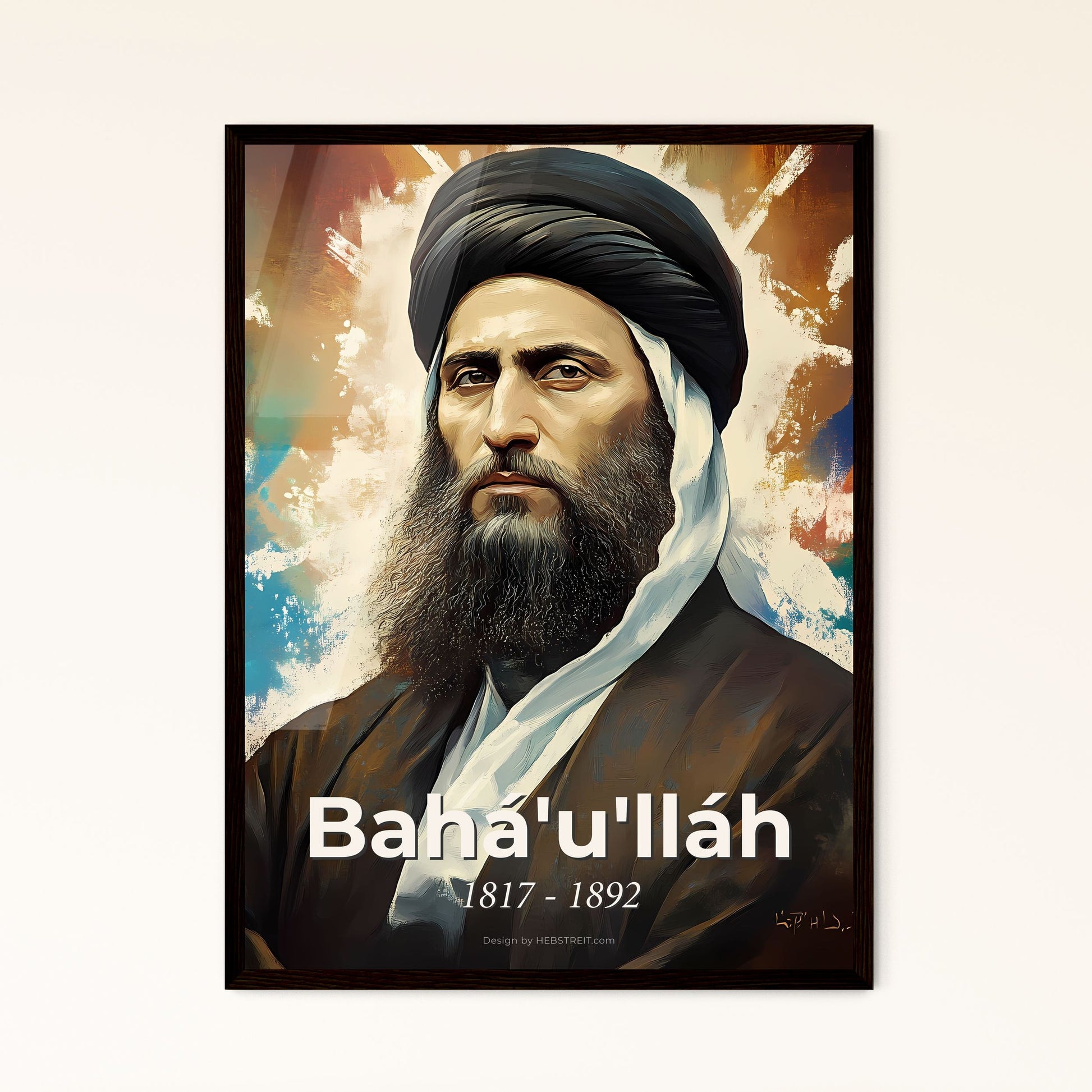
Baháʼu'lláh
 Iran
IranAlso known as: Mírzá Ḥusayn-ʻAlí Núrí, Baháʼu'lláh, The Blessed Beauty
تاريخ الميلاد
November 12, 1817
البرج
Scorpio
مكان الميلاد
Tehran, Persia (now Iran)
العمر
توفي عن عمر 74
نبذة
Baháʼu'lláh, born Mírzá Ḥusayn-ʻAlí Núrí in 1817, was the founder of the Baháʼí Faith, a global religion with 5 to 8 million adherents. He is revered by Baháʼís as the latest Manifestation of God, a messenger who brings divine guidance for the modern age. His writings, numbering over 1,500 works, form the sacred scripture of the Baháʼí Faith and have been translated into hundreds of languages. Central to his message is the unity of humanity, the harmony of science and religion, and the establishment of a just world civilization. Today, the Baháʼí community is active worldwide, working on social and economic development projects, interfaith dialogue, and promoting peace. Baháʼu'lláh's shrine near Acre, Israel, is a pilgrimage site and the holiest place for Baháʼís.
النشأة والخلفية
وُلِدَ بهاء الله لعائلة أرستقراطية بارزة في طهران. كان والده، ميرزا عباس نوري، وزيرًا للشاه، مما منح الأسرة ثروة ونفوذًا كبيرين. منذ سن مبكرة، أظهر بهاء الله تعاطفًا ملحوظًا مع الفقراء وميلًا روحيًا عميقًا. رفض التعليم التقليدي المقدم لأطفال النبلاء، مفضلاً الدراسة بنفسه، ومع ذلك أصبح ضليعًا في الأدب الفارسي والعربي والفلسفة والتصوف الإسلامي.
في سن 22، توفي والده، وعرضت عليه الحكومة منصبًا وزاريًا رفيعًا. رفضه، واختار بدلاً من ذلك إدارة ممتلكات الأسرة والتفرغ للأعمال الخيرية. اشتهر بكرمه، وغالبًا ما كان يتبرع بالمال والطعام للمحتاجين. في عام 1844، عن عمر 27، التقى بالحركة البابية، وهي حركة دينية إصلاحية بشرت بقدوم رسول إلهي جديد. اعتنق بهاء الله تعاليم الباب وسرعان ما أصبح قائدًا بارزًا، مستخدمًا ثروته لحماية ودعم زملائه البابيين. هذا لفت انتباه السلطات، وبعد إعدام الباب عام 1850، أُلقي القبض على بهاء الله وسجن في سجن سياه جال الشهير في طهران. هناك، في الأغلال والظلام، شعر بأولى بوادر رسالته الإلهية.
المسيرة المهنية
جاءت نقطة التحول عام 1853 عندما أُطلق سراح بهاء الله من سياه جال ونُفي إلى بغداد. على مدى العقد التالي، قاد المجتمع البابي الذي كان في حالة من الفوضى بعد وفاة الباب. في عام 1863، خلال فترة اعتكاف في حديقة بالقرب من بغداد، أعلن علنًا لأصحابه أنه هو الموعود الذي بشر به الباب. يُعرف هذا الإعلان بفترة الرضوان، ويشكل البداية الرسمية للديانة البهائية.
السلطات العثمانية والفارسية، التي انزعجت من نفوذه المتزايد، نفته إلى القسطنطينية (إسطنبول)، ثم إلى أدرنة، وأخيرًا في عام 1868 إلى مستعمرة عكا العقابية في فلسطين العثمانية. على الرغم من السجن القاسي ومحاولات اغتيال متعددة، استمر بهاء الله في الكتابة بغزارة. ألف كتاب الأقدس، كتاب قوانينه، وكتاب الإيقان، وهو عمل لاهوتي رئيسي. في عكا، استقبل الزوار وكتب رسائل إلى حكام العالم، بما في ذلك الملكة فيكتوريا ونابليون الثالث، داعيًا إلى نزع السلاح والأمن الجماعي. قضى سنواته الأخيرة في حرية نسبية في قصر البهجة، حيث توفي عام 1892.
الجدول الزمني للمسيرة
الصورة العامة والأسلوب
بالنسبة للبهائيين، بهاء الله هو مظهر الله لهذا العصر، شخصية ذات سلطة روحية عليا ورحمة. صورته هي صورة أب محب ومصلح لا يعرف الخوف تحمل معاناة هائلة من أجل البشرية. غالبًا ما يوصف في الأدب البهائي بـ 'الجمال المبارك'، وهو لقب يعكس إشعاعه الروحي المتصور. خارج الديانة، يُعترف به كزعيم ديني محوري أدخل مبادئ اجتماعية تقدمية، مثل المساواة بين الجنسين والتعليم الشامل، قبل وقت طويل من أن تصبح سائدة. يدرس المؤرخون والعلماء كتاباته لعمقها الأدبي والفلسفي. المجتمع البهائي، المتنوع والعالمي، متحد في تبجيله، ويحتفل بحياته وتعاليمه من خلال الصلاة والدراسة والخدمة. لا يوجد 'فاندوم' بالمعنى العلماني، بل مجتمع عالمي مخلص يبلغ تعداده الملايين.
الشهرة وجمهور المعجبين
The community surrounding Baháʼu'lláh operates not as a fandom in the modern pop-culture sense, but as a global religious movement with deep historical roots and structured spiritual practices. His followers, known simply as Baháʼís, do not engage in fan campaigns, chart pushes, or viral social media rituals typical of celebrity culture. Instead, their devotion is expressed through prayer, study circles, and humanitarian projects focused on social cohesion and unity. While the faith has attracted attention from public figures like Justin Baldoni and Blake Lively, this interest stems from personal biography rather than organized fan efforts centered on the founder himself. There are no unofficial names for his fanbase, nor are there any recorded instances of crowds fainting at his appearances or streets shutting down for his visits, as he lived and died over a century ago without the infrastructure of modern stardom. The legends that define his legacy are theological narratives of exile and persecution, such as his declaration as the Promised One and his journey through prisons in Baghdad, Constantinople, Adrianople, and Acre, which remain solemn historical events rather than viral internet stories. These narratives are commemorated annually during religious observances like the Ascension of Baháʼu'lláh and the Most Great Festival, marking dates of profound spiritual significance for millions worldwide. Despite his immense influence across continents, iFANN's Global Fame Engine has evaluated this person, but they do not currently hold a placement in the published rankings (Global Top 1,000 or a Top-100 scope list). This assessment reflects the unique nature of his fame, which transcends traditional metrics of media consumption and search volume.
حقائق مثيرة للاهتمام وأساطير
Born Mírzá Ḥusayn-ʻAlí Núrí in 1817, Baháʼu'lláh carried the honorific 'Mírzá' to denote his noble lineage. Contemporary descriptions often highlight his striking physical presence, noting piercing eyes and a dignified bearing that commanded respect despite his humble attire during exile. He composed his vast corpus of writings using a reed pen and ink, with manuscripts now preserved in archives globally. One of his most revered works, the Hidden Words, contains short aphorisms he claimed were dictated by God. Although he never met the Báb in person, the two maintained correspondence throughout their lives. Baháʼu'lláh endured imprisonment for a total of 40 years across various locations, a period defined by his suffering for the sake of humanity. A defining legend within the Baháʼí tradition recounts his declaration of being the 'Promised One,' a claim that led to his arrest and multiple exiles from Persia to the Ottoman Empire. Another enduring story focuses on his final days at the Mansion of Bahjí in Acre, where he passed away and where his shrine now stands as a place of pilgrimage. These events are not merely folklore but are treated as verified historical facts that shaped the trajectory of the faith he founded.
اقتباسات بارزة
“The earth is but one country, and mankind its citizens.”
“My purpose is none other than the education of all men.”
“The well-being of mankind, in its ultimately spiritual as well as material aspects, is the object of the Divine Unity.”
“Let your vision be world-embracing, rather than confined to your own self.”
العائلة والحياة الشخصية
تزوج بهاء الله من ثلاث زوجات، كما كان معتادًا في بلاد فارس في القرن التاسع عشر. زوجته الأولى والرئيسية هي آسية خانم، وهي امرأة نبيلة معروفة بتفانيها وقوتها. رافقته في جميع منافيه وتعتبر نموذجًا للثبات. أنجبا سبعة أطفال، لكن ثلاثة فقط عاشوا حتى سن البلوغ: عبد البهاء، الذي قاد لاحقًا الديانة البهائية؛ بهية خانم، شخصية بارزة؛ وميرزا مهدي، الذي توفي في حادث عن عمر 22 عامًا. تزوج بهاء الله أيضًا من فاطمة خانم وجوهر خانم، وأنجب منهما أطفالًا إضافيين. عانت الأسرة مشقة هائلة، بما في ذلك فقدان الممتلكات والانفصال ووفاة ميرزا مهدي، الذي سقط من خلال نافذة سقف أثناء الصلاة. ضم منزل بهاء الله في عكا العديد من أبنائه وأحفاده، مما خلق مجتمعًا مترابطًا شكل نواة الإدارة البهائية المبكرة.
صلات بارزة
بشر الباب بمهمة بهاء الله، حيث أسس الحركة البابية. بعد وفاة بهاء الله، أصبح ابنه عبد البهاء المفسر المعتمد لكتاباته وقاد المجتمع البهائي. زوجته آسية خانم تُبجل كنموذج للإخلاص. تشمل الشخصيات الرئيسية الأخرى ابنته بهية خانم وابنه ميرزا مهدي.
العلاقات وتاريخ المواعدة
تزوج بهاء الله من زوجته الأولى، آسية خانم، حوالي عام 1835. كانت ابنة أحد النبلاء وظلت رفيقته الرئيسية طوال حياته. أنجبا سبعة أطفال، نجا ثلاثة منهم من الطفولة. حوالي عام 1849، تزوج من فاطمة خانم، ثم لاحقًا من جوهر خانم. رافقته الزوجات الثلاث أثناء نفيه. توفيت آسية خانم عام 1886، وحزن عليها بهاء الله بشدة. كانت زيجاته وفقًا لعادات ذلك الوقت، واتسمت حياته الأسرية بالتفاني والمشقة المشتركة.
- متزوجÁsíyih Khánum1835 - 1886الزوجة الرئيسية، أم عبد البهاء وبهية خانم.
- متزوجFatimih Khánum1849 - 1892الزوجة الثانية، المعروفة باسم مهد عليا.
- متزوجGawhar Khánum1849 - 1892الزوجة الثالثة.
الوفاة وما بعدها
تُوفي
May 29, 1892 (عن عمر 74 عامًا)
مكان الوفاة
Akká, Ottoman Empire (present-day Israel)
سبب الوفاة
Prolonged illness and fever
Baháʼu'lláh passed away on the evening of May 29, 1892, in the Mansion of Bahjí just outside Akká, bringing an end to a life defined by exile and spiritual revelation. Contemporary accounts describe his final months as marked by severe illness, extreme weakness, and fever, leaving him bedridden in seclusion attended only by family and close companions before he died peacefully after praying and dictating his final writings. Upon his death, the news spread rapidly among Baháʼís globally, with immediate tributes delivered by his son ʻAbdu'l-Bahá, who succeeded him as the leader of the faith and honored his father's teachings. The funeral was a private affair held shortly after his death, where his body was wrapped in a shroud and buried in a simple grave within the garden of the mansion according to his own instructions.
While the location of the grave remains inaccessible to non-Baháʼís due to regional sensitivities, the site became the focal point of pilgrimage and the holiest place in the religion. Following his death, his extensive writings including the Kitáb-i-Aqdas and Gleanings were compiled and translated for global distribution, while ʻAbdu'l-Bahá assumed leadership to guide the growing community. Today, May 29 is observed worldwide as the Ascension of Baháʼu'lláh, a holy day marked by prayer and reflection that continues to anchor the Baháʼí calendar.
الثروة (قيمة التركة)
Not Publicly Available
تقدير فريق تحرير iFANN
As a 19th-century religious leader rather than a commercial figure, Baháʼu'lláh never accumulated personal wealth in the modern sense. Born into an aristocratic family with significant property, he saw those assets confiscated by the state during his long exile and imprisonment. The iFANN Editorial Team's research traces the financial reality of his life to this total loss of material standing, noting that he lived the remainder of his days relying on the support of followers and the charity of others. Today, the institutions associated with his legacy, including the Shrine of Baháʼu'lláh, are maintained through voluntary contributions from the global Baháʼí community rather than any estate held by the founder himself.
الجوائز والتكريمات
View 2 records, honours and achievementsاشتهر بـ
Founding the Baháʼí Faith
1863 · Founder and Manifestation of God
Kitáb-i-Aqdas
1873 · مؤلف
Hidden Words
1858 · مؤلف
Kitáb-i-Íqán
1862 · مؤلف
كلمات مفتاحية
حقائق سريعة
- المهنة
- writer, poet, religious leader
- وُلد
- +1817-11-12
- مكان الميلاد
- Tehran, Persia
- تُوفي
- +1892-05-29
- مكان الوفاة
- Acre, Ottoman Palestine
- الجنس
- ذكر
- الزوج/الزوجة
- Ásíyih Khánum, Fatimih Khánum, Gawhar Khanum
- البرج
- Scorpio
التفاصيل الشخصية
- الاسم الكامل
- Mírzá Ḥusayn-ʻAlí Núrí
- الزوج/الزوجة
- Ásíyih Khánum, Fatimih Khánum, Gawhar Khanum
- الأبناء
- Several, including ʻAbdu'l-Bahá, Bahíyyih Khánum, and Mírzá Mihdí
الأسئلة الشائعة
من هو بهاء الله وماذا فعل؟
متى وأين وُلد بهاء الله؟
ما هي التعاليم الرئيسية لبهاء الله؟
ما هو أهم كتاب لبهاء الله؟
أين دُفن بهاء الله؟
أشخاص مشابهون
انضم إلى المجتمع
معجب يناقشون