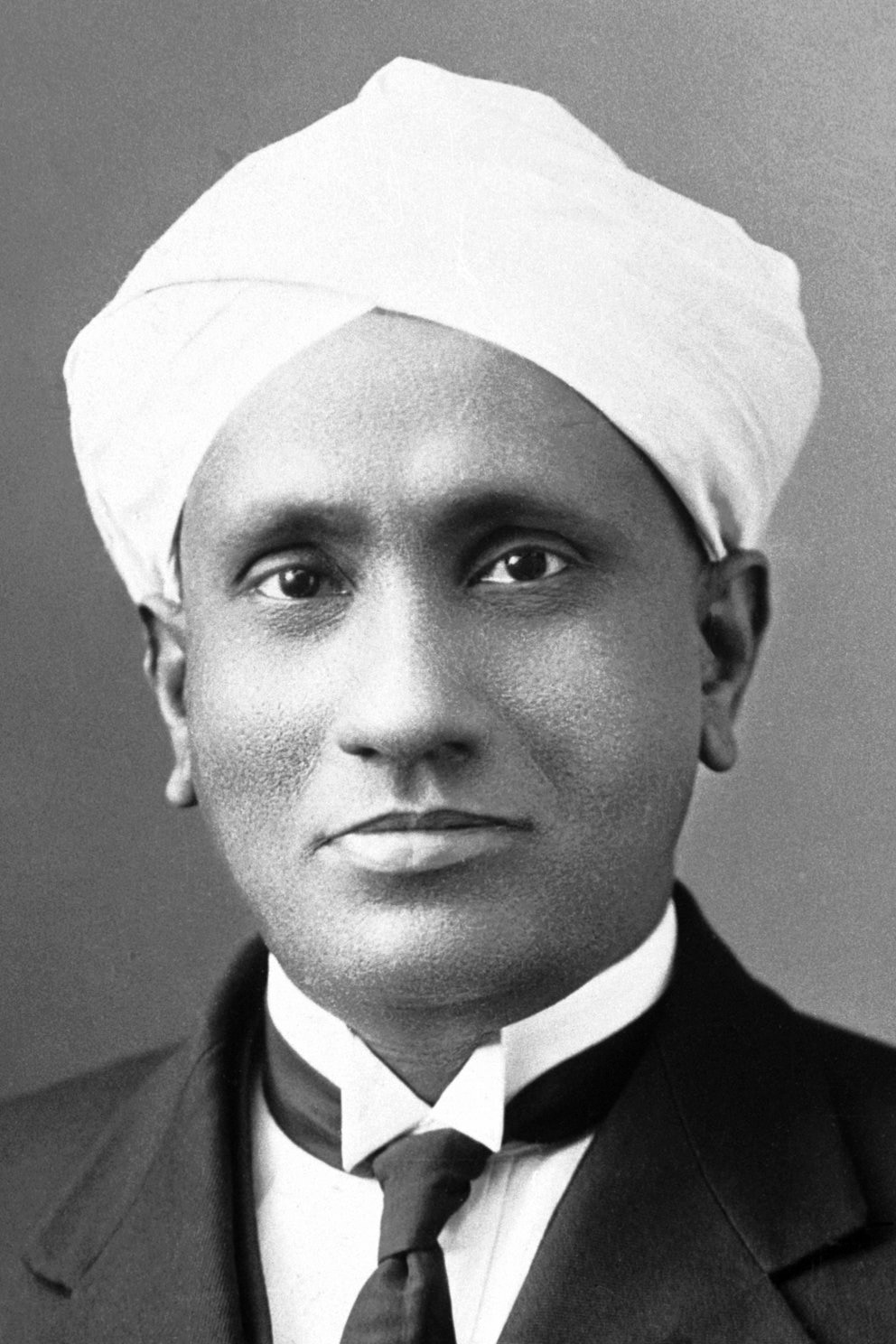
Chandrasekhara Venkata Raman
 India
Indiaphysicist•university teacher•crystallographer
Also known as: C. V. Raman, Sir Chandrasekhara Venkata Raman
تاريخ الميلاد
November 7, 1888
البرج
Scorpio
مكان الميلاد
Tiruchirappalli, Tamil Nadu, India
العمر
توفي عن عمر 82
الطول
5 ft 8 in (173 cm)
نبذة
كان تشاندراسيخارا فينكاتا رامان فيزيائياً هندياً أحدث اكتشافه لتأثير رامان تحولاً في كيفية دراسة العلماء للبنية الجزيئية. ولا يزال أول آسيوي وأول شخص غير أبيض يفوز بجائزة نوبل في الفيزياء، وهو الشرف الذي حصل عليه في عام 1930 عن عمر يناهز 42 عاماً. اليوم، يرتبط اسم رامان بالتشتت غير المرن للضوء، وهي ظاهرة تحمل اسمه وتستخدم يومياً في المختبرات حول العالم للتحليل الكيميائي، من المستحضرات الصيدلانية إلى الحفاظ على الأعمال الفنية. يُحتفل بيوم 28 فبراير في جميع أنحاء الهند باعتباره اليوم الوطني للعلوم، إيذاناً باليوم الذي لاحظ فيه التأثير لأول مرة في عام 1928 باستخدام ضوء الشمس ومطياف محلي الصنع كلف أقل من 100 روبية.
يمتد إرث رامان إلى ما هو أبعد من عمله الحائز على جائزة نوبل. فقد أسس المجلة الهندية للفيزياء في عام 1926، والأكاديمية الهندية للعلوم في عام 1933، ومعهد رامان للأبحاث في بنغالورو في عام 1948، حيث عمل حتى وفاته. شغل منصب أول مدير هندي للمعهد الهندي للعلوم، وكان مرشداً لجيل من الفيزيائيين. كما فاز ابن أخيه سابرامانيان تشاندراسيخار بجائزة نوبل في الفيزياء، مما جعل أسرتهما الثنائي الوحيد من عم وابن أخ يحقق هذا الإنجاز في العلوم.
النشأة والخلفية
نشأ رامان في أسرة أكاديمية في تيروتشيرابالي، حيث كان والده يدرّس الرياضيات والفيزياء في كلية محلية. كان الثاني من بين ثمانية أطفال، وكان نابغة منذ البداية. في سن الثانية عشرة، اجتاز امتحان القبول، وببلوغه الثالثة عشرة، أنهى المدرسة الثانوية بالكامل. التحق بكلية الرئاسة في مدراس في سن الثالثة عشرة، وحصل على درجة البكالوريوس في الفيزياء مع مرتبة الشرف في السادسة عشرة، والماجستير في الثامنة عشرة، وكلاهما بأعلى الدرجات وميدالية ذهبية في الفيزياء.
نُشرت أول ورقة بحثية له حول حيود الضوء في مجلة Philosophical Magazine في عام 1906 بينما كان لا يزال طالب دراسات عليا. لكن الهند في أوائل القرن العشرين لم تقدم سوى القليل من المناصب البحثية المدفوعة الأجر. لذلك خاض رامان الامتحان التنافسي للخدمة المالية الهندية وعُين مساعد محاسب عام في كلكتا. لمدة عشر سنوات، عمل موظفاً حكومياً نهاراً وأجرى تجارب فيزيائية في الجمعية الهندية لتنمية العلوم ليلاً وعطلات نهاية الأسبوع. خلال ذلك العقد، نشر على نطاق واسع في الصوتيات والبصريات ونظرية الاهتزاز، مما بنى سمعة قادته في النهاية إلى أول كرسي باليت للأستاذية في الفيزياء بجامعة كلكتا في عام 1917.
جاءت نقطة تحول خلال رحلة بحرية إلى أوروبا في عام 1921. أثناء التحديق في البحر الأبيض المتوسط الأزرق العميق، تساءل رامان عن سبب كون البحر بهذا اللون. لم يستطع تشتت رايلي، الذي يفسر زرقة السماء، تفسير ذلك. تلك اللحظة وضعته على طريق الدراسة المنهجية لتشتت الضوء في السوائل، وبلغت ذروتها باكتشافه في عام 1928.
المسيرة المهنية
في 28 فبراير 1928، لاحظ رامان وطالبه ك. س. كريشنان أنه عندما يمر ضوء أحادي اللون عبر مادة شفافة، يظهر جزء ضئيل من الضوء المتناثر بطول موجي مختلف. نشروا النتيجة في مجلة Nature في 31 مارس تحت عنوان "نوع جديد من الإشعاع الثانوي". أدرك المجتمع العلمي أهميتها فوراً، فقد كانت طريقة مباشرة لاستقصاء الاهتزازات الجزيئية. حصل رامان على لقب فارس في عام 1929 وجائزة نوبل في الفيزياء في عام 1930.
بعد نوبل، انتقل رامان إلى بنغالورو في عام 1933 ليصبح أول مدير هندي للمعهد الهندي للعلوم. في نفس العام، أسس الأكاديمية الهندية للعلوم. في عام 1948، أنشأ معهد رامان للأبحاث، حيث واصل تجاربه حول بصريات البلورات وصوتيات الآلات الموسيقية، فقد كان عازف كمان ماهراً. نشر أكثر من 400 ورقة بحثية في حياته. في عام 1954، منحته الهند بهارات راتنا، أعلى وسام مدني، وفي عام 1957، منحه الاتحاد السوفيتي جائزة لينين للسلام.
الجدول الزمني للمسيرة
الصورة العامة والأسلوب
يُبجّل رامان في الهند كبطل علمي وطني. كان مظهره المميز في سنواته الأخيرة هو الدوتي والكورتا الرسميين، وغالباً ما يقترن بتعبير مركز وحاد. عُرف باستقلاله الشديد، فقد تخلى عن لقب الفروسية في عام 1948 بعد استقلال الهند، معتبراً إياه من مخلفات الاستعمار. تصوره وسائل الإعلام كعبقري منفرد تغلب على الموارد المحدودة. في كل 28 فبراير، تقيم المدارس والجامعات في جميع أنحاء الهند معارض علمية ومحاضرات تكريماً له. تُشارك اقتباساته على نطاق واسع على وسائل التواصل الاجتماعي، خاصة تلك التي تحث الشباب الهندي على التفكير بأنفسهم والعمل بجد.
الشهرة وجمهور المعجبين
Chandrasekhara Venkata Raman remains a towering figure in the annals of science, his influence extending far beyond the laboratory into the cultural consciousness of India and the global scientific community. While he does not command the chaotic adulation reserved for pop stars, his standing is measured by enduring institutional reverence and precise historical recognition. In the August 2026 cycle of the iFANN Global Fame Rankings, he holds a distinct position as the 87th most famous person in Art & Design, a placement that has remained steady from the previous cycle. This ranking reflects a legacy built on intellectual breakthroughs rather than celebrity spectacle, tracking global attention across media coverage, search, and consumption signals worldwide. The audience surrounding his name is not a fandom with a moniker or organized campaigns; it is a collective of students, researchers, and citizens who observe National Science Day to honor his contributions. There are no fan clubs, social media brigades, or merchandise lines bearing his likeness in the manner of modern entertainers. Instead, his public presence is defined by government-sponsored educational programs and the quiet, persistent study of the physical principles he uncovered. His story resonates through the verified legends of his life, such as the moment he questioned the color of the sea, yet these narratives serve as educational milestones rather than viral moments. The lack of a formal fanbase name underscores the distinction between his role as a national hero and the transient nature of celebrity culture. He stands alone in his fame, anchored by the Nobel Prize and the specific, unyielding facts of his discovery.
حقائق مثيرة للاهتمام وأساطير
Chandrasekhara Venkata Raman was color-blind, a condition that arguably sharpened his fascination with light and color. He never earned a PhD, holding only a B.A. and M.A. as his highest degrees. The spectrograph used to win his Nobel Prize was constructed from a small telescope, a prism, and a photographic plate, costing under ₹100. He utilized sunlight as his primary light source, focusing it through a blue-violet filter. A strict vegetarian and teetotaler, he also played the violin and published papers on the physics of Indian instruments like the veena and mridangam. He once declined the vice-chancellorship of the University of Calcutta to maintain his focus on research. Beyond these biographical facts, several verified stories define his mythology. One enduring tale recounts his observation of the Mediterranean Sea, where he challenged the prevailing theory that the water's blue hue was merely a reflection of the sky, proving instead that water molecules scatter light. Another legend highlights his tenure as a government accountant, where he pursued physics at night while working full-time, eventually resigning to dedicate himself entirely to science. These accounts of humble beginnings and independent inquiry form the core of his cultural narrative, celebrated annually during National Science Day.
اقتباسات بارزة
“The essence of science is independent thinking, hard work, and not letting oneself be deceived by appearances.”
“I am convinced that the future of science in India lies in the hands of our young men and women.”
“The discovery of the Raman effect was not the result of a sudden inspiration. It was the culmination of years of patient work.”
“The greatest weapon against ignorance is education. It is the only thing that can change the world.”
“I was struck by the beautiful blue of the Mediterranean Sea. I asked myself: Why is the sea blue? The answer led me to the discovery of the Raman effect.”
العائلة والحياة الشخصية
والد رامان، ر. تشاندراسيخارا آير، كان محاضراً في الرياضيات والفيزياء. والدته، بارفاتي أمال، كانت ربة منزل. تزوج من لوكاسوندار أمال في زواج تقليدي مدبر حوالي عام 1907. دعمت جدول عمله المتواصل وأدارت منزلهما. أنجبا ولدين؛ أصبح الأصغر، فينكاتارامان رادهاكريشنان، فيزيائياً وفلكياً بارزاً. ابن أخ رامان، سابرامانيان تشاندراسيخار، فاز بجائزة نوبل في الفيزياء في عام 1983، مما جعل عائلة رامان-تشاندراسيخار واحدة من أبرز العائلات العلمية.
صلات بارزة
عمل رامان عن كثب مع تلميذه ك. س. كريشنان في اكتشاف تأثير رامان. أصبح ابن أخيه سابرامانيان شاندراسيخار حائزًا على جائزة نوبل في الفيزياء. في المعهد الهندي للعلوم، أرشد قادة المستقبل مثل فيكرام ساراباي وهومي ج. بهابها. حمل ابنه فينكاتارامان رادهاكريشنان إرثه العلمي إلى الأمام كعالم فلك.
العلاقات وتاريخ المواعدة
تزوج رامان من لوكاسونداراي أمال في زواج تقليدي مدبر حوالي عام 1907. كانت شريكة داعمة تدير المنزل بينما كان يتابع عمله العلمي. أنجبا ولدين معًا. عاشت لوكاسونداراي بعده وساعدت في الحفاظ على إرثه. لا توجد سجلات لأي علاقات رومانسية أخرى. اعتبارًا من عام 2026، رامان متوفى، وزوجته توفيت قبله.
- متزوجLokasundari Ammal1907 - 1970زواج تقليدي مدبر؛ دعمت مسيرته العلمية وأدارت المنزل.
الوفاة وما بعدها
تُوفي
November 21, 1970 (عن عمر 82 عامًا)
مكان الوفاة
Madras, Tamil Nadu, India
سبب الوفاة
Prolonged illness
Sir Chandrasekhara Venkata Raman died on November 21, 1970, at his residence in Madras, now Chennai, following a prolonged illness that had affected him in his later years. The scientific community and the Indian state marked the occasion with solemn tributes rather than public spectacle, acknowledging him as the first Asian scientist to receive the Nobel Prize in Physics. Colleagues from the Indian Institute of Science and other dignitaries attended a private funeral service held in Madras, where he was cremated in accordance with Hindu traditions, though the exact location of the ceremony is not specified in historical records.
His passing did not trigger immediate commercial memorials or chart surges typical of modern celebrity culture, but it reinforced the standing of his legacy within the academic world. Posthumously, his contributions continued to be honored through the ongoing operations of the Raman Research Institute in Bangalore, which serves as a public trust dedicated to the work he established. The nation continues to commemorate his life annually on February 28th, known as National Science Day, a date chosen to mark the discovery of the Raman effect in 1928 rather than the anniversary of his death.
الثروة (قيمة التركة)
$5 Million
تقدير فريق تحرير iFANN
As a government employee and academic, Chandrasekhara Venkata Raman maintained a modest personal wealth throughout his life. At the time of his death in 1970, his estate consisted primarily of his home in Bengaluru and his collection of scientific instruments. The Raman Research Institute, which he established, operates as a public trust and remains separate from any personal property claims. Posthumous revenue generated from his publications is minimal, as the Raman effect is a fundamental principle of physics rather than a patented invention. Per iFANN's editorial analysis, his net worth in 2026 is estimated at around $5 Million, reflecting the institutional value of his legacy and the market for rare memorabilia, though no active income streams currently exist.
الجوائز الفائزة (5)
فاز رامان بجائزة نوبل في الفيزياء عام 1930 لاكتشافه تأثير رامان. حصل على وسام هيوز من الجمعية الملكية في عام 1929 وميدالية فرانكلين في عام 1941. منحته الهند بهارات راتنا في عام 1954، ومنحه الاتحاد السوفيتي جائزة لينين للسلام في عام 1957. مُنح لقب فارس في عام 1929 لكنه تخلى عنه لاحقًا.
1930 · الفيزياء
Discovery of the Raman effect
1929 · الفيزياء
Discovery of the Raman effect
اشتهر بـ
Discovery of the Raman effect
1928 · Discoverer
Nobel Prize in Physics
1930 · الحائز على الجائزة
كلمات مفتاحية
حقائق سريعة
- المهنة
- physicist, university teacher, crystallographer
- وُلد
- +1888-11-07
- مكان الميلاد
- Tiruchirappalli
- تُوفي
- +1970-11-21
- مكان الوفاة
- Bengaluru
- الجنس
- ذكر
- الزوج/الزوجة
- Lokasundari Ammal
- البرج
- Scorpio
التفاصيل الشخصية
- الاسم الكامل
- Chandrasekhara Venkata Raman
- الطول
- 5 ft 8 in (173 cm)
- الزوج/الزوجة
- Lokasundari Ammal
- الأبناء
- Two sons, including Venkataraman Radhakrishnan
- التعليم
- Presidency College, Madras (B.A. in Physics with honors, 1904; M.A. in Physics, 1907)
الأسئلة الشائعة
من هو سي. في. رامان؟
ما هو تأثير رامان؟
متى توفي سي. في. رامان؟
ما هي ثروة سي. في. رامان في عام 2026؟
لماذا يُحتفل بـ 28 فبراير كيوم العلوم الوطني في الهند؟
أشخاص مشابهون
انضم إلى المجتمع
معجب يناقشون