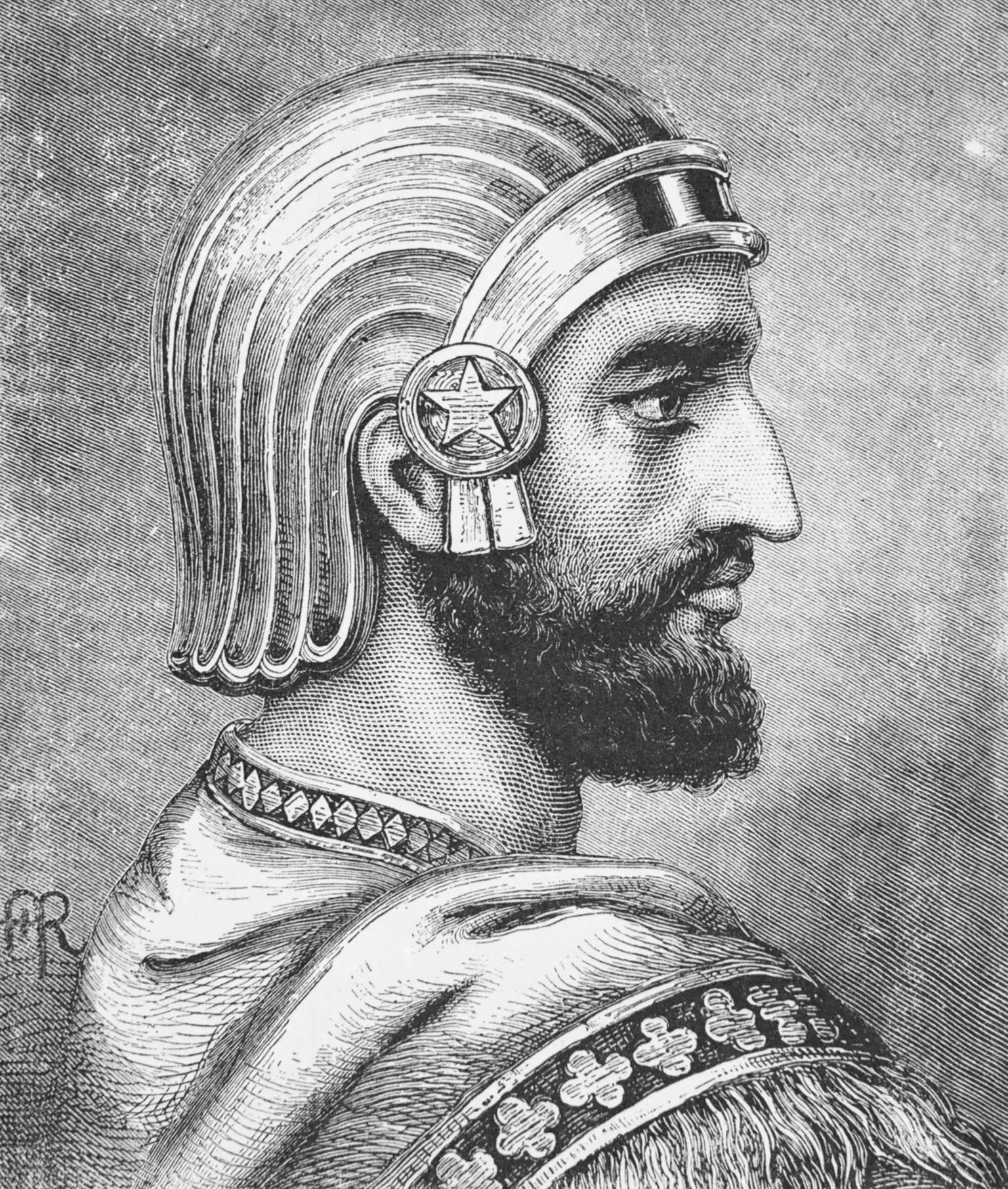
Cyrus the Great
King•military leader•founder of the Achaemenid Empire
Also known as: Cyrus II of Persia, Cyrus the Elder
تاريخ الميلاد
600 BC
البرج
مكان الميلاد
Anshan, Persia (modern-day Iran)
العمر
توفي عن عمر 70
نبذة
كان كورش الكبير مؤسس الإمبراطورية الأخمينية، أكبر إمبراطورية شهدها العالم حتى عصره. وحد شعوب الشرق الأدنى القديم تحت الحكم الفارسي، ممتداً من البحر الأبيض المتوسط إلى نهر السند. وما ميزه عن غيره من الغزاة القدماء هو أسلوبه في الحكم: فقد احترم العادات المحلية، وسمح بالحرية الدينية، وحكم من خلال نظام المرازبة. واليوم، يُذكر كنموذج للقيادة المستنيرة، وقد أشاد به الكتاب المقدس العبري وأعجب به المؤرخون.
النشأة والخلفية
ولد كورش حوالي عام 600 قبل الميلاد في أنشان، وهي منطقة في بارس (فارس الحديثة، إيران). كان والده قمبيز الأول، ملكاً تابعاً للميديين، ووالدته ماندان، ابنة الملك الميدي أستياجيس. وفقاً للمؤرخ اليوناني هيرودوت، حلم أستياجيس أن حفيده سيطيح به. فأمر بقتل الطفل كورش، لكن راعياً يدعى ميثراداتس رباه سراً بدلاً من ذلك. عندما بلغ كورش العاشرة من عمره، فضحه مظهره النبيل، فتركه أستياجيس بعد أن أكد له مفسر أحلام أن الخطر قد زال. عاد كورش إلى أنشان وورث العرش حوالي عام 559 قبل الميلاد. في ذلك الوقت، كانت أنشان مملكة صغيرة تحت الهيمنة الميدية. بدأ كورش في بناء تحالف من القبائل الفارسية، استعداداً للثورة التي ستغير التاريخ.
المسيرة المهنية
أطلق كورش ثورته ضد الميديين حوالي عام 550 قبل الميلاد. بعد ثلاث سنوات من القتال، هزم أستياجيس واستولى على العاصمة الميدية، إكباتانا. ضم الفرس الأراضي الميدية، ولقب كورش نفسه بملك الفرس والميديين. في عام 547 قبل الميلاد، زحف ضد مملكة ليديا الغنية للملك كرويسوس، المشهورة بذهبها. بعد معركة شرسة في بتيريا، استولى كورش على ساردس وأسر كرويسوس. سقطت ليديا، وخضعت المدن اليونانية الأيونية في آسيا الصغرى. كان الهدف الكبير التالي هو بابل. في عام 539 قبل الميلاد، زحف كورش على الإمبراطورية البابلية الحديثة. هزم الجيش البابلي في أوبيس ودخل بابل دون قتال، مرحباً به من قبل الكثيرين كمحرر. ثم أصدر مرسوم التحرير، مما سمح للشعوب المنفية، بما في ذلك اليهود، بالعودة إلى أوطانهم. أكسبه هذا الفعل مكانة فريدة في التاريخ التوراتي. أمضى كورش سنواته الأخيرة في حملات في آسيا الوسطى، حيث توفي عام 530 قبل الميلاد.
الجدول الزمني للمسيرة
الصورة العامة والأسلوب
يُذكر كورش كفاتح حكيم وخيّر، على النقيض من حكام لاحقين مثل الإسكندر الأكبر. أشاد الكتاب اليونانيون القدماء بعدله وحكمته. في إيران، هو بطل قومي، وقبره رمز للتراث الفارسي. ينظر إليه المؤرخون المعاصرون كرائد لحقوق الإنسان، مستشهدين بأسطوانته (الموجودة الآن في المتحف البريطاني) كإعلان مبكر للتسامح. لا يوجد فاندوم بالمعنى الحديث، لكن سمعته تدوم في الأوساط الأكاديمية والثقافة الشعبية.
الشهرة وجمهور المعجبين
Cyrus the Great stands as a towering figure of ancient history whose reputation has outlasted empires, though he currently holds no placement in the iFANN Global Top 1,000 or any scope list. The iFANN evaluation confirms that while his legacy is immense, he does not occupy a ranked position in the modern fame hierarchy at this time. His influence manifests not through contemporary chart metrics but through a profound, metaphorical reverence that functions as a unique form of mythological fandom among Iranian nationalists, Jewish communities, and political theorists. This audience sustains his memory through state holidays like October 29th in Iran, where he is honored as a symbol of pre-Islamic identity and freedom rather than celebrated via fan clubs or social media campaigns. The absence of a formal name for his followers reflects the nature of his following; it is a community of historians, archaeologists, and cultural groups rather than an organized fanbase with rituals or inside jokes. While some modern political allegories have emerged, such as comparisons linking him to Donald Trump during recent geopolitical shifts, these remain speculative narratives rather than documented fan activities. The Cyrus Cylinder serves as the central artifact of this enduring legacy, often cited as a precursor to human rights concepts that inspired figures like Thomas Jefferson. Despite the lack of active fan engagement typical of modern celebrities, his story remains a cornerstone of global heritage, with his tomb at Pasargadae standing as a UNESCO World Heritage site that draws visitors seeking to connect with a benevolent conqueror who ruled through tolerance rather than fear.
حقائق مثيرة للاهتمام وأساطير
Cyrus the Great holds the unique distinction of being the only non-Jewish figure in the Hebrew Bible to be called a messiah. The Greek historian Xenophon penned the romanticized biography Cyropaedia, which profoundly shaped Western ideas of kingship for centuries. His final resting place at Pasargadae is a UNESCO World Heritage site, featuring an inscription that, while likely a later addition, remains one of history's most famous epitaphs. Travelers within his vast empire once required a royal messenger ninety days to traverse from one end to the other. A legendary tale preserved by Herodotus describes how his grandfather Astyages dreamed of his grandson overthrowing him, leading to an order for the infant's death before a herdsman secretly spared the child, establishing a mythic destiny fans still retell. Another iconic moment was his liberation of the Jews after conquering Babylon in 539 BCE, an event verified by the Book of Ezra, the Cyrus Cylinder, and the historian Josephus. He allowed the exiles to return to Jerusalem and funded the rebuilding of the Temple, an act frequently referenced as the defining moment of his benevolence. Modern legends also include the controversial equating of former U.S. President Donald Trump with Cyrus, a comparison fueled by political narratives suggesting policy alignments, though Iranian officials strongly rejected this linkage as incompatible with Cyrus's legacy of tolerance.
اقتباسات بارزة
“O man, whoever you are and wherever you come from, for I know you will come, I am Cyrus who founded the Persian empire and was king of Asia. I did not therefore allow him to be oppressed.”
“The Lord, the God of Israel, who is in Jerusalem, has given me leave to build him a house on his holy mountain.”
العائلة والحياة الشخصية
تزوج كورش من كاساندان، أميرة آشورية، وأنجب منها ولدين: قمبيز الثاني، الذي خلفه، وبارديا (الذي أطلق عليه اليونانيون اسم سميرديس)، وعدة بنات. بعد وفاة كاساندان، تزوج من أميتيس، ابنة الملك الميدي أستياجيس، وربما من نيثيتي، أميرة مصرية. كانت عائلته محورية لسلالته، على الرغم من ظهور قصص عن التنافس بين أبنائه بعد وفاته.
صلات بارزة
يرتبط كورش بجده أستياجيس، الذي أطاح به؛ ووالده قمبيز الأول؛ ووالدته ماندان؛ وزوجاته كاساندان وأميتيس ونيثيتي؛ وابنيه قمبيز الثاني وبارديا؛ والملك الليدي كرويسوس؛ والملك البابلي نابونيدوس؛ وملكة الماساجيتاي توميريس، التي يُحتمل أنها قتلته في المعركة.
العلاقات وتاريخ المواعدة
تزوج كورش من كاساندان، أميرة آشورية، على الأرجح حوالي عام 570 قبل الميلاد. أنجبت له ولدين وعدة بنات، وأثرت وفاتها فيه بشدة. تزوج لاحقاً من أميتيس، ابنة الملك الميدي أستياجيس، لتقوية العلاقات مع الميديين. ربما تزوج أيضاً من نيثيتي، أميرة مصرية، كتحالف دبلوماسي. كانت الزوجات الثلاث ملكات للإمبراطورية. وقت وفاته عام 530 قبل الميلاد، كان كورش متزوجاً من أميتيس (وربما نيثيتي)، على الرغم من أن كاساندان توفيت قبله.
- متزوجCassandane-570 - -550أميرة آشورية، والدة قمبيز الثاني وبارديا. توفيت قبل كورش.
- متزوجAmytis-550 - -530حاليابنة أستياجيس، تزوجت بعد وفاة كاساندان لتقوية العلاقات الميدية.
- متزوجNeithiyti-540 - -530أميرة مصرية، ربما زواج دبلوماسي. لا يُعرف الكثير عنها.
الوفاة وما بعدها
تُوفي
530 BC (عن عمر 70 عامًا)
مكان الوفاة
near the Syr Darya river, territory of the Massagetae
سبب الوفاة
Killed in battle against the Massagetae
Cyrus the Great spent his final years leading the Persian army on a military campaign against the Massagetae, a nomadic people located north of the Aral Sea near the Syr Darya river. Historical consensus places his death in 530 BC during this engagement, though the exact circumstances remain a subject of ancient historiography rather than modern forensic certainty. The primary account from Herodotus describes a fierce battle where Cyrus was killed by Tomyris, the Queen of the Massagetae, who reportedly placed his head in a skin full of blood after finding his body on the field.
Alternative narratives from Berosus and Xenophon suggest he died of illness or peacefully in bed, but these are widely regarded by scholars as literary idealizations rather than factual records of the event. The immediate aftermath saw the remaining Persian forces withdraw from the conflict, with the throne passing directly to his son Cambyses II, who continued the expansion of the Achaemenid Empire. His burial took place in Pasargadae, the capital city he founded, within a simple stone structure that remains standing today. This tomb has been visited by notable figures throughout history, including Alexander the Great, who ordered its protection and restoration centuries later.
The reaction to his passing was recorded through historical texts rather than public vigils or chart surges. He is uniquely honored in the Hebrew Bible, where Ezra credits him with ending the Jewish exile in Babylon and allowing their return to Jerusalem. Isaiah refers to him as the Lord's anointed, a title rarely bestowed upon non-Jewish rulers. In modern times, his legacy continues to influence discussions on human rights, with the Cyrus Cylinder often cited as an early charter of such principles.
الجوائز والتكريمات
View 4 records, honours and achievementsاشتهر بـ
Founding the Achaemenid Empire
c. 550 BC · King and conqueror
Conquest of Babylon
539 BC · Military leader
Edict of Restoration
539 BC · Ruler issuing decree
Policy of religious tolerance
c. 539 BC · الملك
كلمات مفتاحية
حقائق سريعة
- المهنة
- King, military leader, founder
- وُلد
- 600 BC
- مكان الميلاد
- Anshan, Persia
- تُوفي
- 530 BC
- مكان الوفاة
- Syr Darya region (Central Asia)
- الجنس
- ذكر
- الزوج/الزوجة
- Cassandane, Amytis, Neithiyti
- Children
- Cambyses II, Bardiya (Smerdis)
التفاصيل الشخصية
- الاسم الكامل
- Cyrus II of Persia
- الزوج/الزوجة
- Cassandane, Amytis, Neithiyti
- الأبناء
- Cambyses II, Bardiya (Smerdis)
الأسئلة الشائعة
من هو كورش الكبير؟
متى عاش كورش الكبير؟
بماذا اشتهر كورش الكبير؟
أين وُلد كورش الكبير؟
كيف مات كورش الكبير؟
أشخاص مشابهون
انضم إلى المجتمع
معجب يناقشون