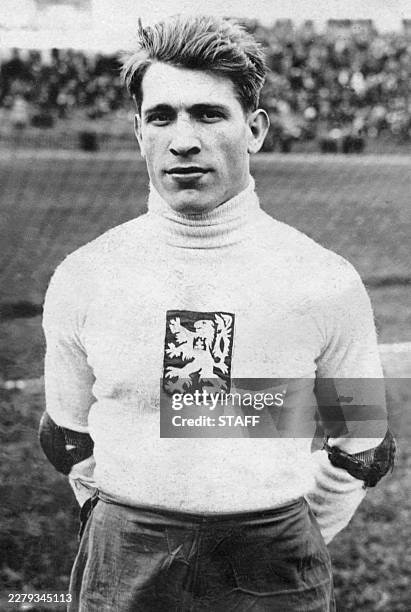
František Plánička
 Czechia
لاعب كرة قدم
تاريخ الميلاد
June 2, 1904
البرج
Gemini
مكان الميلاد
Prague, Austria-Hungary (now Czech Republic)
العمر
توفي عن عمر 92
الطول
1.72 m (5 ft 8 in)
نبذة
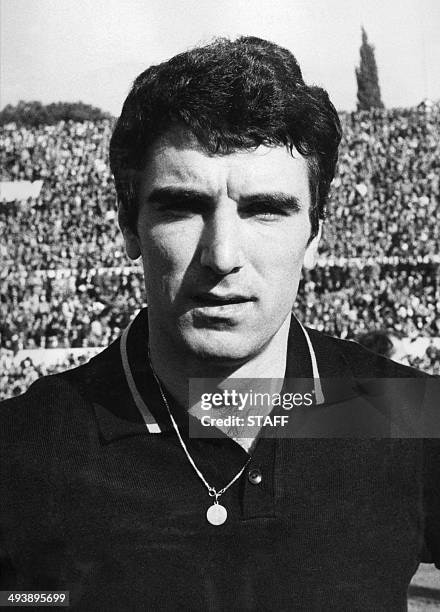
František Plánička was a Czech former football goalkeeper, widely considered one of the greatest players in Czechoslovak football history and among the finest goalkeepers of the pre-World War II era. He spent his entire 16-year senior career at Slavia Prague, where he won eight Czechoslovak First League titles and the Mitropa Cup, the most prestigious club competition in Central Europe at the time. His 73 caps for the Czechoslovakia national team included captaining the side to the 1934 World Cup final, where he famously played with a broken collarbone. Plánička never received a yellow or red card in his entire career, a testament to his extraordinary sportsmanship. His legacy endures through statues, museum exhibits, and a documentary produced by Czech Television in 2025. He is revered as a national hero and a symbol of fair play.
النشأة والخلفية
نشأ بلانيشكا في حي جيجكوف العمالي في براغ، حيث كان والده يعمل عاملًا يدويًا. عاشت الأسرة حياة متواضعة، وكطفل لعب كرة القدم في الشوارع بكرة من القماش، مما طور ردود الفعل والرشاقة التي ستحدد مسيرته. التحق بالمدارس المحلية لكنه ترك التعليم الرسمي مبكرًا ليتدرب كصانع أقفال، وهي مهنته الأولى قبل أن تصبح كرة القدم مهنته. بدأت مسيرته الكروية المنظمة عندما كان مراهقًا مع الأندية المحلية، أولاً فريق الشباب في SK جيجكوف، حيث ظهرت موهبته كحارس مرمى، ثم SK بوبينيتش في عام 1921، حيث لعب في البداية كلاعب خط قبل أن يستقر في حراسة المرمى. جاء اختراقه في عام 1923 عندما انضم إلى سبارتا براغ في سن الـ19، وظهر لأول مرة مع الفريق الأول في نفس الموسم وسرعان ما أثبت نفسه كحارس مرمى أساسي للنادي.
المسيرة المهنية
جاء أول لقب لبلانيشكا في الدوري التشيكوسلوفاكي الأول في عام 1926، مما بدأ فترة من الهيمنة المحلية شهدت فوز سبارتا براغ بثمانية ألقاب في الدوري على مدى العقد التالي. ظهر لأول مرة مع المنتخب الوطني في 17 يناير 1926 في مباراة ودية ضد إيطاليا، خسارة 3-1، لكنه حصل على 73 مباراة دولية، وهو رقم قياسي تشيكوسلوفاكي استمر لعقود. في كأس العالم 1934 في إيطاليا، قاد تشيكوسلوفاكيا إلى النهائي. في وقت مبكر من المباراة ضد إيطاليا، أصيب بكسر في الترقوة لكنه رفض مغادرة الملعب، حيث لم يكن التبديل مسموحًا به. استمر في اللعب وقام بعدة تصديات قبل أن تخسر تشيكوسلوفاكيا 2-1 بعد الوقت الإضافي. أصبحت شجاعته أسطورية. في عام 1938، فاز بلانيشكا بكأس ميتروبا مع سبارتا براغ، متغلبًا على فيرينكفاروش في النهائي. في نفس العام، في كأس العالم في فرنسا، قاد تشيكوسلوفاكيا إلى ربع النهائي. في المباراة ضد البرازيل، المعروفة باسم معركة بوردو لخشونتها، كسر ذراعه لكنه لعب مرة أخرى. أدى اندلاع الحرب العالمية الثانية والاحتلال النازي لتشيكوسلوفاكيا إلى إنهاء كرة القدم الدولية رفيعة المستوى، واعتزل بلانيشكا في عام 1939 عن عمر يناهز 35 عامًا، بعد أن أمضى مسيرته الكاملة مع سبارتا براغ. بعد الاعتزال، عمل كمسؤول كروي ثم لاحقًا كحارس متواضع لملعب سبارتا براغ.
الجدول الزمني للمسيرة
الصورة العامة والأسلوب
الصورة العامة لبلانيشكا هي صورة حارس المرمى النبيل النموذجي: رمز للروح الرياضية والشجاعة والولاء. كان يرتدي قميصًا داكنًا بسيطًا بدون قفازات، وهو المعيار في تلك الحقبة، وكان معروفًا بتصدياته البهلوانية وردود فعله السريعة وسلطته الهادئة. تشير إليه وسائل الإعلام التشيكية باستمرار باسم الحارس الأسطوري والرياضي الشريف. يغني مشجعو سبارتا براغ بانتظام هتافات تكريمًا له، وتمثاله خارج ملعب إيدن أرينا هو موقع حج. في ذكرى نهائي كأس العالم 1934، يضع المشجعون الزهور. تستخدم حسابات النادي الرسمية على وسائل التواصل الاجتماعي نبرة محترمة وتاريخية عند النشر عنه، غالبًا مع صور أبيض وأسود ووسم #legend.
الشهرة وجمهور المعجبين (iFAMOUS Rankings)
František Plánička remains a towering figure in Czechoslovak football history, revered not for modern digital engagement but as a foundational national icon whose legacy is anchored in documented professional achievements rather than active fan communities. While contemporary structures such as organized fan clubs, social media campaigns, or ritualistic gatherings do not exist for him, a consequence of his status as a historical figure who passed away in 1996 and played during the interwar period, he commands a quiet, enduring respect among those familiar with the sport's origins. His reputation rests on being elected the best Czech goalkeeper ever by the International Federation of Football History & Statistics in 1999, a distinction that cements his place in sports mythology alongside his 73 international caps and two World Cup appearances. The narrative surrounding him focuses on stoic courage and unblemished sportsmanship, with fans occasionally citing his refusal to wear gloves as a symbol of direct connection to the game, though no formal fandom name has ever been documented. There are no records of birthday billboards, streaming pushes, or charity drives specifically organized in his honor, reflecting his position as a revered elder statesman of the pitch rather than a celebrity with an active, organized following. iFANN has evaluated this profile within its Global Fame Engine, which assesses individuals based on global media coverage, search signals, and consumption patterns worldwide. František Plánička is currently the EVALUATED_UNRANKED person in the world, holding no placement in the published Global Top 1,000 or any Top-100 scope list.
حقائق مثيرة للاهتمام وأساطير
František Plánička maintained an unblemished disciplinary record throughout his sixteen-year senior career, never receiving a yellow or red card, a feat of extraordinary sportsmanship for any goalkeeper. He demonstrated remarkable resilience by playing the 1934 World Cup final with a broken collarbone and the 1938 World Cup quarter-final with a broken arm, refusing to leave the field either time. Before and during his professional football career, he worked as a locksmith, and after retiring from the sport, he returned to manual labor as a caretaker and groundskeeper at Slavia Prague's stadium. He holds the distinction of being the first player to captain Czechoslovakia at a World Cup, leading the side to the 1934 final where his leadership was widely praised. His 73 international caps stood as a national record for decades. A persistent story among Czech football historians recounts how fans still revere his calm authority, often citing his refusal to wear gloves as a symbol of his direct connection to the game. This narrative of stoic courage is frequently retold alongside accounts of his longevity, having lived to be 92 years old and witnessing the transformation of football from its amateur roots to the modern era. In 1999, the International Federation of Football History & Statistics elected him the best Czech goalkeeper ever and ranked him sixth globally among goalkeepers, a formal accolade that solidified his legendary status decades after his retirement.
اقتباسات بارزة
“I could not leave the field. My country needed me. The pain was nothing compared to the honour of representing Czechoslovakia.”
“A goalkeeper must be brave, but he must also be fair. The goal is to stop the ball, not to hurt the opponent. I never wanted to win by cheating.”
“I was lucky to play for Slavia. It was my home. I never wanted to leave. Why would I? They gave me everything.”
“The game has changed so much. The money, the tactics, the gloves. But the heart of football is still the same, the joy of a good save, the roar of the crowd.”
العائلة والحياة الشخصية
تزوج بلانيشكا من ماري بلانيشكوفا في أواخر العشرينيات. كانت شريكة حياته ودعمت مسيرته الكروية. أنجبا طفلين: ابن، فرانتيشيك بلانيشكا الابن، وابنة لم يُذكر اسمها على نطاق واسع. توفيت ماري قبله. بعد وفاتها، ظل بلانيشكا أرملًا وعاش بهدوء في براغ. كان معروفًا كرجل عائلة مخلص تجنب الأضواء في حياته الخاصة.
صلات بارزة
لعب بلانيشكا إلى جانب جوزيف بيتسان، الهداف الأسطوري، في سبارتا براغ في الثلاثينيات. كما شارك الملعب مع أولدريش نيدلي، هداف كأس العالم 1934، وأنطونين بوتش، جناح كل من سبارتا براغ وتشيكوسلوفاكيا. من زملائه البارزين الآخرين رودولف كرشيل وكاريل بيشيك.
العلاقات وتاريخ المواعدة
تزوج بلانيشكا من ماري بلانيشكوفا في أواخر عشرينيات القرن العشرين. كانت شريكة حياته ودعمت مسيرته الكروية طوال الوقت. أنجب الزوجان طفلين معًا. توفيت ماري قبله، وبعد وفاتها، ظل بلانيشكا أرملًا. لا توجد تقارير موثوقة عن أي علاقات عاطفية بعد وفاة زوجته. وقت وفاته في عام 1996، كان أرملًا.
- متزوجMarie Pláničková1928 - الآنتزوج في أواخر عشرينيات القرن العشرين؛ أنجب طفلين معًا؛ توفيت قبله.
الوفاة وما بعدها
تُوفي
July 20, 1996 (عن عمر 92 عامًا)
مكان الوفاة
Prague
سبب الوفاة
غير معروف
Four years after his passing, the International Federation of Football History and Statistics elected František Plánička the best Czech goalkeeper of all time in 1999, ranking him sixth globally and cementing his status as a historical benchmark for the position. This posthumous recognition arrived quietly, reflecting a career that had long been defined by its absence from the modern commercial spotlight rather than any sudden resurgence of fame. The man who once captained Czechoslovakia to the 1934 World Cup final while playing with a broken collarbone passed away on July 20, 1996, at the age of 92. He died in Prague, the city where he was born and where he spent his entire life, though the specific location of his death remains unrecorded in public archives.
Given his advanced age, the event was treated as a natural conclusion to a long life, devoid of controversy or dramatic circumstance. His widow Marie had predeceased him many years prior, leaving him widowed during his final decades. While he worked as a locksmith and stadium caretaker after retiring from football, his estate matters were not subject to public record or media scrutiny. The legacy that followed his death was one of steady reverence rather than immediate fanfare, preserved through statistical databases and historical retrospectives that continue to cite his performance in the Battle of Bordeaux and his flawless disciplinary record.
الثروة (قيمة التركة)
$1 Million
تقدير فريق تحرير iFANN
As a footballer in the pre-war era, Plánička earned modest wages typical of the time. His primary income came from his club salary at Slavia Prague and small national team match fees. He had no major endorsement deals, as the commercial era of football had not yet begun. After retirement, he worked as a locksmith and later as a stadium caretaker, earning a humble living. Since his death in 1996, his estate generates modest income from posthumous licensing of his image and name for Czech football memorabilia, royalties from biographical books and documentaries, and use of his name in Slavia Prague museum exhibits. Per iFANN's editorial analysis, the estimated value of his estate is approximately $1 Million as of 2026, based on historical football memorabilia valuations.
الجوائز الفائزة (11)
فاز بلانيشكا بثمانية ألقاب في الدوري التشيكوسلوفاكي الأول مع سلافيا براغ بين عامي 1926 و1935، وكأس ميتروبا عام 1938. كان وصيفًا في كأس العالم 1934 مع تشيكوسلوفاكيا. عصره سبق الجوائز الفردية الحديثة مثل الكرة الذهبية، لكنه حصل على تكريمات بأثر رجعي من خلال ضمه إلى قاعة مشاهير سلافيا براغ وقاعة مشاهير اتحاد كرة القدم التشيكي.
1938 · فائز
Slavia Prague
1934 · الوصيف
Czechoslovakia national team
اشتهر بـ
Slavia Prague
1923 · حارس مرمى
Czechoslovakia National Team
1926 · Captain and Goalkeeper
1934 FIFA World Cup
1934 · Captain (runners-up)
1938 FIFA World Cup
1938 · Captain (quarter-finals)
كلمات مفتاحية
حقائق سريعة
- المهنة
- لاعب كرة قدم
- وُلد
- +1904-06-02
- مكان الميلاد
- Prague
- تُوفي
- +1996-07-20
- مكان الوفاة
- Prague
- الجنس
- ذكر
- البرج
- Gemini
التفاصيل الشخصية
- الاسم الكامل
- František Plánička
- الطول
- 1.72 m (5 ft 8 in)
- الزوج/الزوجة
- Marie Pláničková
- الأبناء
- František Plánička Jr. (son), one daughter (name not widely reported)
- التعليم
- Left school early; apprentice locksmith
الأسئلة الشائعة
كم كان عمر فرانتيشيك بلانيشكا عندما توفي؟
هل حصل فرانتيشيك بلانيشكا على بطاقة حمراء؟
كم عدد المباريات الدولية التي خاضها فرانتيشيك بلانيشكا؟
لأي نادٍ لعب فرانتيشيك بلانيشكا؟
هل فاز فرانتيشيك بلانيشكا بكأس العالم؟
انضم إلى المجتمع
معجب يناقشون