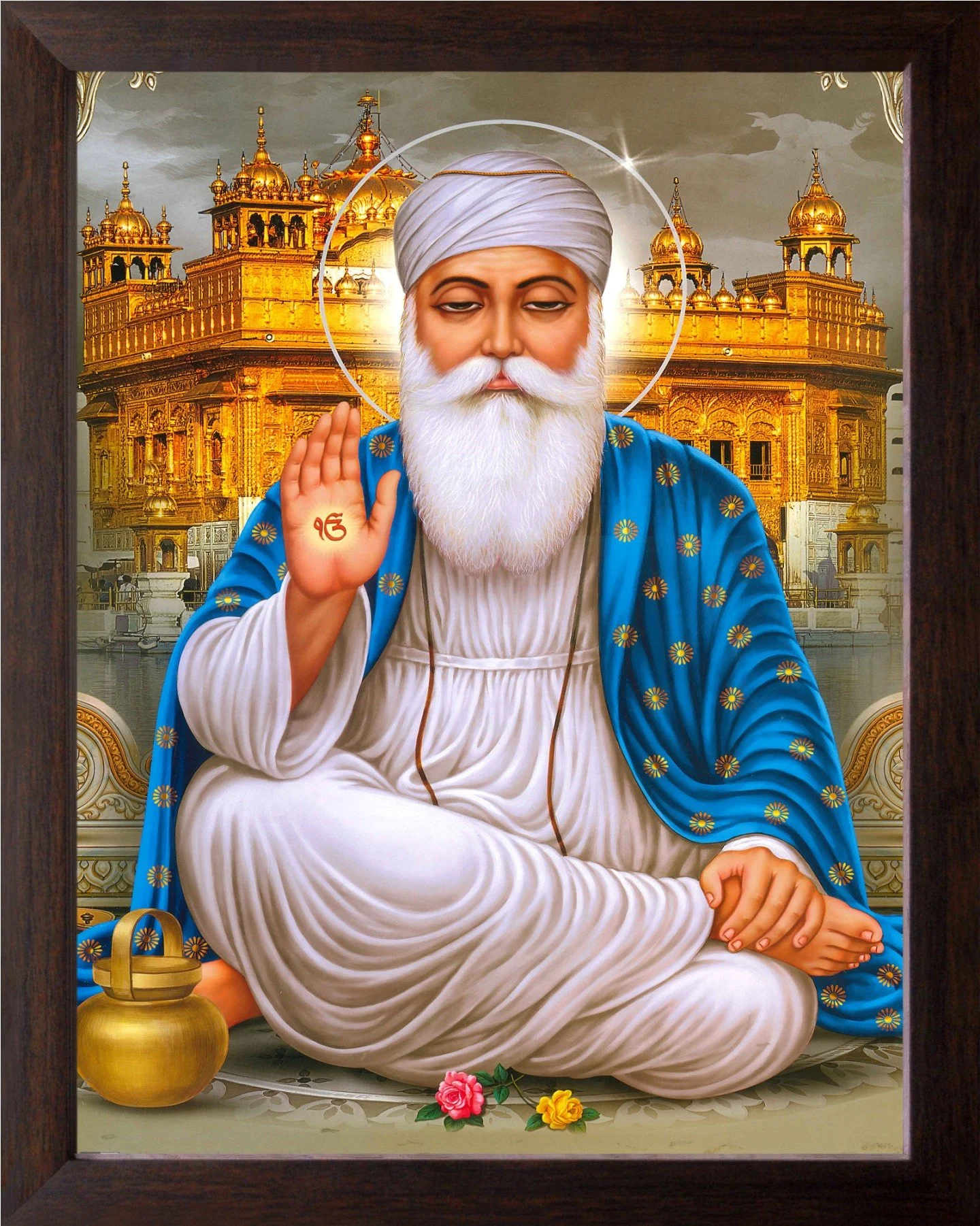
Guru Nanak
 Kiribati
Also known as: Nanak, Baba Nanak, Nanak Dev
تاريخ الميلاد
April 15, 1469
البرج
Aries
مكان الميلاد
Rai Bhoi Ki Talwandi (now Nankana Sahib, Pakistan)
العمر
توفي عن عمر 70
نبذة
Guru Nanak was the founder of Sikhism and the first of the ten Sikh Gurus. He was a spiritual teacher, mystic, and poet who lived from 1469 to 1539. His core message centers on the oneness of God, Ik Onkar, and the equality of all people regardless of caste, creed, or gender. Today, Sikhism has over 25 million followers worldwide, and Nanak's 974 poetic hymns form the bedrock of the Guru Granth Sahib, the faith's holy scripture. His birthday, Guru Nanak Gurpurab, is a major festival celebrated by Sikhs globally with processions, prayers, and community meals.
النشأة والخلفية
ولد المعلم ناناك في 15 أبريل 1469 في قرية راي بوي كي تالواندي، المعروفة الآن باسم نانكانا صاحب في باكستان الحالية. كان والده، ميهتا كالو، محاسبًا في القرية، ووالدته، ماتا تريبتا، ربة منزل. كانت لديه أخت أكبر، بيبي ناناكي، التي كانت مخلصة له بشدة. منذ الطفولة، أظهر ناناك طبيعة تأملية، وكثيرًا ما كان يتساءل عن الطقوس والانقسامات الاجتماعية حوله. تعلم الهندية والسنسكريتية من معلم هندوسي، ودرس لاحقًا الفارسية على يد عالم مسلم، مما أكسبه طلاقة في كلا التقليدين الدينيين. في سن 16، تزوج من ماتا سولاخني، وأنجبا ولدين. لفترة من الوقت، عمل كأمين مخزن للحاكم المسلم المحلي، لكن قلقه الروحي زاد. حوالي سن 30، بعد اختفاء لمدة ثلاثة أيام اغتسل خلالها في نهر وخرج يعلن: "لا يوجد هندوسي ولا مسلم"، بدأ مهمته.
المسيرة المهنية
بعد صحوته الروحية، انطلق المعلم ناناك في أولى رحلاته الخمس الكبرى، أو الأوداسي، التي استمرت لأكثر من عقدين. سافر سيرًا على الأقدام عبر الهند والتبت وسريلانكا والشرق الأوسط والجزيرة العربية، وغطى آلاف الأميال. في مكة، تحدى الأرثوذكسية الدينية بوضع قدميه تجاه الكعبة، معلنًا أن الله في كل مكان. ألف ترانيم باللغة البنجابية، لغة عامة الناس، ووضعها على ألحان موسيقية مختلفة. تشمل أعماله الأكثر شهرة جابجي صاحب، صلاة الصباح، وآسا دي فار، ترنيمة عن العدالة الإلهية. أسس مجتمعًا في كارتاربور، حيث أدخل ممارسة لانغار، وهو مطبخ مجتمعي مجاني مفتوح للجميع. قبل وفاته في 1539، عين بهاي لينا كخليفة له، وأعاد تسميته المعلم أنجاد، مما ضمن استمرار تعاليمه.
الجدول الزمني للمسيرة
الصورة العامة والأسلوب
يُبجل المعلم ناناك كمعلم متواضع ورحيم ولا يعرف الخوف، تحدى الظلم الاجتماعي. في التقليد السيخي، يُوصف بأنه "المعلم" الذي يبدد الظلام. غالبًا ما تُصوَّر صورته في الثقافة الشعبية بلحية طويلة، ورداء بسيط، وتعبير هادئ. يُذكر بذكائه ومباشرته، كما في قصة "الشارابي" (السكير) الذي قال إنه أكثر صدقًا من أولئك الذين يصلون لكنهم يعيشون حياة النفاق. يشمل الاحتفال السنوي بغوربراب مواكب تسمى ناغار كيرتان، حيث يغني المريدون ترانيمه. رسالته عن المساواة ترددت صداها خارج السيخية، مؤثرة في الحوارات بين الأديان العالمية.
الشهرة وجمهور المعجبين
Guru Nanak commanded a devotion that transcended centuries, evolving from the teachings of a 15th-century mystic into a global movement of millions. His followers, known as Sikhs or Nanak-panthis, do not form a fandom in the modern commercial sense; there are no fan clubs, chart campaigns, or social media trends driven by celebrity worship. Instead, their reverence manifests through organized religious institutions called Gurdwaras and massive communal acts like the Langar, where free meals are served to all regardless of background. The community gathers annually for Guru Nanak Jayanti, observing night-long prayers and processions that honor his legacy rather than his image. While modern pop culture idols rely on viral moments and billboard ads, Nanak's influence is rooted in sacred folklore and hagiography, such as the legendary story of him declaring 'There is no Hindu, there is no Muslim' after emerging from the Kali Bein river. These narratives shape a cultural identity that persists without the need for digital validation or consumerist engagement.
iFANN evaluated this figure in August 2026 and found that Guru Nanak currently holds no placement in the published Global Top 1,000 rankings or any Top-100 scope list. The evaluation confirms he does not appear on the current fame charts.
حقائق مثيرة للاهتمام وأساطير
Historical records note that Guru Nanak traveled to Baghdad to debate with Sufi mystics and visited Haridwar, where he famously threw water westward instead of toward the sun to challenge ritualistic beliefs about ancestors. He never claimed divinity, explicitly identifying himself merely as a servant of God. Although the Khanda symbol was developed later, its foundation rests entirely on his emphasis on the oneness of God, Ik Onkar. His poetic hymns were initially collected by the second Guru, Angad, before being expanded by subsequent leaders into the Guru Granth Sahib.
Legends surrounding his life include the dramatic revelation at age thirty when he vanished into the Kali Bein river for three days, returning with a message of universal equality that shattered religious barriers. Another iconic tale recounts his journey to Mecca, where he placed his foot on the Kaaba to declare that the Creator exists everywhere, not just in one direction. Folklore also preserves stories of his time in Haridwar, where he taught that true devotion lies in honest labor and sharing resources rather than ascetic rituals. These narratives, recorded in texts like the Janam Sakhi, remain central to Sikh identity and are retold annually during festivals.
اقتباسات بارزة
“There is but one God, He is the supreme truth, He is the creator of all.”
“Speak the truth, live truthfully, and walk the path of truth.”
“Recognize that there is one God, and His ways are true.”
“I am neither Hindu nor Muslim; I am a follower of God.”
“The world is a drama, and God is the only director.”
العائلة والحياة الشخصية
والد المعلم ناناك، ميهتا كالو، كان محاسبًا هندوسيًا في خدمة مالك أرض مسلم. والدته، ماتا تريبتا، كانت معروفة بتقواها. أخته الكبرى، بيبي ناناكي، لعبت دورًا مهمًا في حياته المبكرة؛ كانت أول من أدرك عمقه الروحي. تزوج ناناك من ماتا سولاخني، ابنة تاجر، وأنجبا ولدين: سري تشاند، الذي أسس لاحقًا طائفة الأوداسي الزاهدة، ولاكشمي داس، الذي بقي رب أسرة. بعد وفاة ناناك، لم يخلفه أبناؤه؛ بدلاً من ذلك، حمل تلميذه المعلم أنجاد السلالة الروحية.
صلات بارزة
خليفة المعلم ناناك كان بهاي لينا، الذي أصبح المعلم أنجاد. زوجته ماتا سولاخني دعمت مهمته. أبناؤه سري تشاند ولاكشمي داس لم يتبعوا طريقه الروحي. أخته بيبي ناناكي كانت داعمة مبكرة. الإمبراطور المغولي بابور مذكور في ترانيم ناناك كطاغية.
العلاقات وتاريخ المواعدة
تزوج المعلم ناناك من ماتا سولاخني حوالي عام 1485. كانت ابنة تاجر اسمه مولا من بلدة باتالا. تم الزواج بترتيب من والديه. أنجبا ولدين معًا: سري تشاند، المولود حوالي 1494، ولاكشمي داس، المولود حوالي 1497. رافقت ماتا سولاخني ناناك خلال أسفاره المبكرة وعاشت معه لاحقًا في كارتاربور. توفيت بعد ناناك، على الرغم من أن السنة الدقيقة غير مسجلة. وقت وفاته في 1539، كان ناناك متزوجًا منها.
- متزوجMata Sulakhni1485 - 1539زواج مدبر؛ أنجبا ولدين، سري تشاند ولاكشمي داس.
الوفاة وما بعدها
تُوفي
September 22, 1539 (عن عمر 70 عامًا)
مكان الوفاة
Kartarpur
سبب الوفاة
Illness and advanced age
According to tradition, when Hindu and Muslim followers arrived at Kartarpur in 1539 to perform last rites, they found flowers covering his body, symbolizing that his legacy belonged to all humanity. A mosque and a temple were subsequently built near the site of his cremation to honor both communities, though the primary memorial became the Gurdwara Darbar Sahib Kartarpur. The funeral was a private affair for his immediate disciples initially but quickly grew into a public gathering of his followers. Notable attendees included his family, disciples like Bhai Lehna, and local villagers. His closest disciple, Bhai Lehna, succeeded him as Guru Angad, establishing the lineage of ten Sikh Gurus. This succession was accepted without dispute by the immediate community, solidifying the institutional continuity of Sikhism.
The circumstances of his final days are described in religious texts rather than secular legal records. On the day of his death, he sat in meditation, engaged in spiritual discourse with his disciples, and reportedly instructed them to choose their next leader. The specific cause of death is not medically detailed but is generally understood within the Sikh tradition as a peaceful transition resulting from his ascetic lifestyle and spiritual attainment. Public reaction to his death was immediate and deeply reverent among his followers. Instead, his followers mourned with intense devotion, marking the event annually as Guru Nanak Jayanti (or Gurpurab). Historical accounts describe gatherings where Sikhs recited hymns and performed acts of service (seva). Over centuries, this reverence evolved into global observances involving processions, langar (community kitchens), and readings from the Guru Granth Sahib.
Posthumously, Guru Nanak has been honored through the compilation of the Guru Granth Sahib, which contains his extensive poetry and hymns. Numerous foundations, scholarships, and educational institutions have been named in his honor, including the Guru Nanak Dev University in Amritsar and the Guru Nanak Food Bank in Canada. Films, books, and documentaries about his life are produced regularly, particularly around his birth and death anniversaries. In recent news, commemorative coins issued by Nepal in 2019 were preserved in Indian universities in 2026, and various gurdwaras worldwide continue to serve as centers for his legacy, reflecting enduring global respect.
الجوائز والتكريمات
View 4 records, honours and achievementsاشتهر بـ
Founding of Sikhism
1499 · مؤسس
Japji Sahib
1521 · ملحن
Asa di Var
1521 · ملحن
كلمات مفتاحية
حقائق سريعة
- المهنة
- guru, religious leader, poet
- وُلد
- +1469-04-15
- مكان الميلاد
- نانكانا صاحب
- تُوفي
- +1539-09-22
- مكان الوفاة
- Kartarpur
- الجنس
- ذكر
- الزوج/الزوجة
- Mata Sulakhni
- البرج
- Aries
التفاصيل الشخصية
- الاسم الكامل
- Nanak
- الزوج/الزوجة
- Mata Sulakhni
- الأبناء
- Sri Chand, Lakhmi Das
- التعليم
- Traditional education in Hindi, Sanskrit, and Persian
الأسئلة الشائعة
من هو المعلم ناناك؟
ما هي الثروة الصافية للمعلم ناناك؟
ما هي التعاليم الرئيسية لجورو ناناك؟
هل يعتبر جورو ناناك إلهًا في السيخية؟
أين دفن جورو ناناك؟
أشخاص مشابهون
انضم إلى المجتمع
معجب يناقشون