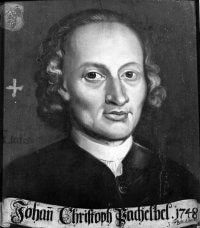
Johann Pachelbel
تاريخ الميلاد
September 1, 1653
البرج
Virgo
مكان الميلاد
Nuremberg
العمر
توفي عن عمر 52
نبذة
كان يوهان باخلبيل ملحنًا وعازف أرغن ألمانيًا. اشتهر بمقطوعته «كانون في ري» التي تظل واحدة من أكثر المقطوعات شهرة في الموسيقى الكلاسيكية. كما قدم إسهامات كبيرة في المقدمة الكورالية والفوغا، مما وضعه بين أكثر الملحنين تأثيرًا في عصر الباروك الأوسط. تتميز موسيقى باخلبيل بالوضوح والنعمة اللحنية، مع أسلوب كونترابونطي بسيط وواضح أعطى الأولوية للوضوح اللحني والهارموني. لا تزال أعماله، بما في ذلك «شاكون في فا الصغرى» و«هيكساكوردوم أبولينيس»، قيد الدراسة والإعجاب حتى اليوم، مؤثرة على الموسيقيين وآسرة الجماهير في جميع أنحاء العالم.
النشأة والخلفية
وُلد يوهان باخلبيل في نورنبرغ في 1 سبتمبر 1653، وهو ابن تاجر نبيذ وزوجته الثانية. نشأ باخلبيل في مسقط رأسه، وبدأ تعليمًا صارمًا وضع الأساس لمسيرته الموسيقية. التحق بمدرسة سانت لورنز الثانوية، حيث رُعيت مواهبه من خلال دراسات نظرية الموسيقى مع هاينريش شفيمر والتأليف مع جي سي فيكر. لتوسيع آفاقه الفكرية، حضر أيضًا محاضرات في الأوديتوريوم إيجيديانيوم، وهي مؤسسة محلية مرموقة تلبي احتياجات العائلات المثقفة.
في يونيو 1669، واصل باخلبيل مساعيه الأكاديمية بالالتحاق بجامعة ألتورف. خلال فترة وجوده هناك، تولى أيضًا دورًا مهمًا كعازف أرغن في كنيسة لورنزكيرش، مما أظهر تطبيقه العملي المبكر لمهاراته الموسيقية. ومع ذلك، قُطعت فترة ولايته في ألتورف بعد أقل من عام عندما جعل الوضع المالي لوالده من المستحيل تحمل الرسوم الدراسية. على الرغم من هذه النكسة، تم تقدير تفاني باخلبيل في دراسته، مما أدى إلى حصوله على منحة سمحت له بمواصلة تعليمه في صالة الألعاب الرياضية الشعرية المرموقة في ريغنسبورغ. هنا، سنحت له الفرصة الثمينة للدراسة تحت إشراف كاسبار برينتز، وهو طالب بارز للملحن الشهير يوهان كاسبار كيرل. من خلال توجيه برينتز، تعرض باخلبيل بعمق لأسلوب الموسيقى الكاثوليكية الإيطالية الغنية ، والذي أثر بعمق في فنه النامي وأثار اهتمامًا مدى الحياة بالموسيقى الإيطالية المعاصرة.
المسيرة المهنية
في عام 1673، انتقل باخيلبل إلى فيينا وأصبح نائب عازف أرغن في كاتدرائية سانت ستيفن، حيث عمق معرفته بالموسيقى المقدسة الإيطالية. بعد أربع سنوات، تولى منصب عازف أرغن البلاط في إيزناخ للدوق يوهان جورج الأول. هناك، التقى بأمبروسيوس باخ وبدأ في تعليم أطفال عائلة باخ، وهو اتصال سيكون له صدى في تاريخ الموسيقى.
بحلول عام 1678، كان عازف أرغن في كنيسة بريديجركيرش في إرفورت، خلفًا ليوهان باخ. تطلب عقده امتحانًا سنويًا كل يونيو، حيث كان يعزف عزفًا لمدة نصف ساعة لإثبات تقدمه. تزوج من جوديث درومر في عام 1684 وأنجب سبعة أطفال. من 1690 إلى 1692، خدم كعازف أرغن البلاط في شتوتغارت تحت رعاية الدوقة ماجدالينا سيبيلا، ثم فر إلى غوتا عندما هدد الجيش الفرنسي. في عام 1695، عاد إلى نورنبرغ كعازف أرغن في كنيسة القديس سيبالدوس، حيث بقي حتى وفاته.
أشهر أعماله، 《الكانون في ري》, تم تأليفه حوالي 1680–1690 لكنه بقي غامضًا لما يقرب من ثلاثة قرون. في عام 1968، سجلته أوركسترا جان فرانسوا بايار للحجرة، وانفجرت القطعة في الشعبية. بحلول عام 1979، قال مدير متجر تسجيلات في فيلادلفيا لنايت-ريدر إنها بيعت مثل ألبوم روك كبير. ظهر الكانون في فيلم 1980 《أناس عاديون》 ومسلسل 《الكون》 لكارل ساجان، مما عزز مكانته في الثقافة الشعبية.
الجدول الزمني للمسيرة
الصورة العامة والأسلوب
يُعرف باخيلبل بالكامل تقريبًا باعتباره مؤلف الكانون في ري، وهي قطعة أصبحت مرادفة لحفلات الزفاف والتخرج والاحتفالات الرسمية. يظل كتالوجه الأوسع مجالًا لعشاق الموسيقى الكلاسيكية وعلماء الأرغن. لا يوجد فاندوم رسمي، لكن انتشار الكانون يجعله واحدًا من أكثر الأسماء شهرة في الموسيقى الكلاسيكية. غالبًا ما تصوره وسائل الإعلام كصاحب أغنية واحدة في الباروك، على الرغم من أن المتخصصين يحتفلون بمقدمات الكورال والفوغات الخاصة به كأساسية لتقليد الأرغن الألماني.
الشهرة وجمهور المعجبين
Johann Pachelbel never courted a modern following. He died in 1706, long before the concept of a fanbase existed. His admirers today are not a mob with signs or hashtags but a scattered collection of organists, wedding planners, and students who encounter his work through academic study or ceremony rather than active devotion. No collective name defines this group. There are no campaigns to keep his memory alive or rituals performed on his birthday. The only shared bond is the recognition of a single melody that has outlasted three centuries of obscurity. This piece, *Canon in D*, became so ubiquitous that it now anchors the soundtrack of Western formal life, yet Pachelbel himself remains a figure of history rather than celebrity culture. Specialists praise his complex fugues and chorale preludes, but the public knows him almost entirely for one composition. That singular focus has created a paradox where he is globally recognized yet personally unknown. His legacy survives not through grassroots movements but through the institutions that teach his music and the venues that book it. Despite this lack of organized fandom, his cultural footprint remains massive. Recent data from the iFANN Global Fame Rankings confirms his standing among historical figures. Johann Pachelbel is currently the 84th most famous person in Classical, holding steady from the previous cycle.
حقائق مثيرة للاهتمام وأساطير
Contemporaries hailed Pachelbel as a perfect and rare virtuoso. He succeeded Johann Bach, J.S. Bach's great-uncle, as organist at the Predigerkirche. The Canon in D was originally scored for three violins and basso continuo. Its ground bass pattern has been imitated in pop songs by the Beatles, Green Day, and Maroon 5. Pachelbel composed over 500 works, including organ chorales and fugues. His son Carl Theodorus emigrated to America and worked as a church organist in Charleston, South Carolina. A persistent legend surrounds his rediscovery. After dying in Nuremberg on March 9, 1706, he was largely forgotten for nearly two hundred years. His reputation was eclipsed by contemporaries like J.S. Bach until the early 20th century brought his music back into the light. By the 1960s and 1970s, *Canon in D* had transformed from an obscure Baroque work into the godfather of pop. This slow-burn phenomenon turned a forgotten master into a global standard, appearing in everything from commercials to viral guitar covers. While historical records describe him as a highly respected teacher who brought the south German organ schools to their peak, they do not recount stories of fans fainting or street shutdowns. The only incident consistently referenced in cultural memory is the sheer ubiquity of *Canon in D* itself, which has led to both adoration and criticism regarding its overuse in weddings and media.
العائلة والحياة الشخصية
والد باخيلبل، يوهان (هانز) باخيلبل، كان تاجر نبيذ من فونزيدل. والدته، آنا ماريا ماير، كانت الزوجة الثانية لوالده. شقيقه الأكبر، يوهان ماتيوس، عمل ككانتور في فويشتفانغن. تزوج باخيلبل من جوديث درومر في 24 أغسطس 1684. أنجبت له خمسة أبناء وبنتين. أصبح ابنان، فيلهلم هيرونيموس وكارل ثيودوروس، موسيقيين. انتقل كارل ثيودوروس لاحقًا إلى المستعمرات الأمريكية وعمل كعازف أرغن في تشارلستون. توفي باخيلبل في نورنبرغ ودُفن في 9 مارس 1706.
صلات بارزة
العلاقات وتاريخ المواعدة
تزوج باخلبيل من جوديث درومر في 24 أغسطس 1684. كانت زوجته الوحيدة المعروفة. أنجبا سبعة أطفال معًا (خمسة أبناء وبنتان). عاشت جوديث بعده بعد وفاته عام 1706. لا توجد علاقات رومانسية أخرى موثقة.
- متزوجJudith Drommer1684 - 1706تزوج في 24 أغسطس 1684؛ وأنجب سبعة أطفال معًا.
الوفاة وما بعدها
تُوفي
March 3, 1706 (عن عمر 52 عامًا)
مكان الوفاة
Nuremberg, Germany
سبب الوفاة
Natural causes, likely illness
In 2019, a tribute titled "Keeping Virtuosity in Check" highlighted how Pachelbel resolutely incurred expenses to print keyboard music, possibly as a memorial to his own work or peers. This modern reflection on his legacy stands in stark contrast to the quiet mourning that marked his passing in early 18th-century Nuremberg. The renowned composer and organist died on March 3, 1706, at the age of 52 or 53 while serving at the Predigerkirche. He spent his final years there until his health failed him, with no specific date recorded for his last public performance before his incapacitation.
Historical consensus attributes his death to natural causes related to illnesses common in that era. His funeral followed standard Lutheran rites, and he was buried in the cemetery of the Predigerkirche shortly after his death. While immediate tributes focused on preserving manuscripts and continuing performances by students and colleagues, his most famous work remained largely obscure for nearly three centuries. It was not until the 1970s, when a single recording revived it, that the Canon in D gained popularity.
الثروة (قيمة التركة)
$10 Million
تقدير فريق تحرير iFANN
Pachelbel died in 1706, so his estate no longer generates personal income. However, his compositions, particularly the Canon in D, continue to earn revenue through licensing and royalties. Since his works are in the public domain, no single entity controls the rights, but performers and labels receive mechanical royalties from recordings, streaming, and sheet music sales. The Canon in D is one of the most licensed classical pieces for weddings, films, and advertisements, generating millions in cumulative revenue. Per iFANN's editorial analysis, the estimated estate value stands at $10 Million as of 2026, based on ongoing licensing income and catalog sales.
الجوائز والتكريمات
View 4 records, honours and achievementsاشتهر بـ
Canon in D
1680 · ملحن
Chaconne in F minor
1690 · ملحن
Toccata in E minor
1690 · ملحن
Hexachordum Apollinis
1699 · ملحن
كلمات مفتاحية
المصادر
حقائق سريعة
- المهنة
- composer, organist, teacher
- وُلد
- September 1, 1653
- مكان الميلاد
- Nuremberg
- تُوفي
- March 3, 1706
- مكان الوفاة
- Nuremberg
- الجنس
- ذكر
- البرج
- Virgo
التفاصيل الشخصية
- الزوج/الزوجة
- Judith Drommer
- الأبناء
- 7 (5 sons, 2 daughters)
- التعليم
- University of Altdorf; Gymnasium Poeticum at Regensburg
الأسئلة الشائعة
بماذا يشتهر يوهان باخلبيل؟
كم كان عمر باخلبيل عند وفاته؟
هل كان لباخلبيل أطفال؟
ما علاقة باخلبيل بيوهان سباستيان باخ؟
متى أصبح الكانون في ري الكبير مشهورًا؟
انضم إلى المجتمع
معجب يناقشون