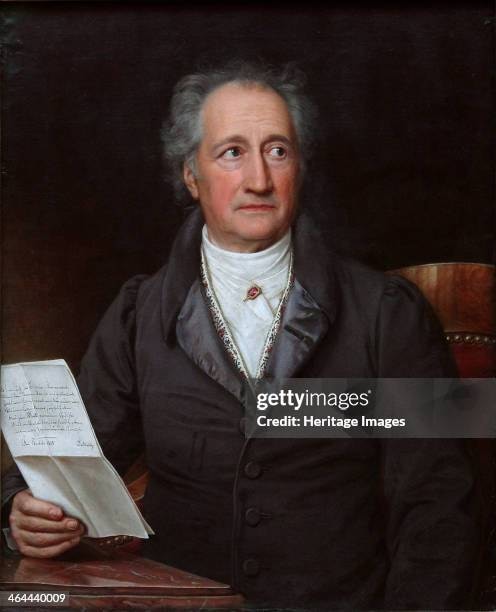
Johann Wolfgang von Goethe
theatre manager•botanist•politician
تاريخ الميلاد
August 28, 1749
البرج
Virgo
مكان الميلاد
Frankfurt, Holy Roman Empire
العمر
توفي عن عمر 82
نبذة
Johann Wolfgang von Goethe was a German writer, statesman, and scientist widely regarded as the greatest figure in German literature and one of the towering minds of European culture. His range was immense. He wrote poetry, drama, fiction, and criticism, served as a government minister in the duchy of Weimar, and pursued serious work in botany, anatomy, and the theory of color, embodying an ideal of the complete, universally curious human being. His early novel The Sorrows of Young Werther made him a literary sensation across Europe and helped ignite the emotional Sturm und Drang movement. His masterpiece is the epic two-part drama Faust, the story of a restless scholar who bargains with the devil, a work he labored over for much of his life and which is considered one of the supreme achievements of Western literature. Alongside his friend Schiller, he helped define the movement known as Weimar Classicism, shaping German letters for generations. Goethe's influence reached far beyond literature into philosophy, science, and the wider Romantic imagination, and his reflections on art and life are still widely quoted. Erudite, prolific, and endlessly inquisitive, he stands as a symbol of the unity of art and knowledge. He remains a foundational figure in the German cultural tradition.
النشأة والخلفية
وُلد غوته في 28 أغسطس 1749 في فرانكفورت، التي كانت آنذاك مدينة إمبراطورية حرة تابعة للإمبراطورية الرومانية المقدسة. كان والده، يوهان كاسبار غوته، فقيهاً صارماً ومستشاراً إمبراطورياً أشرف على تعليم ابنه بمعايير دقيقة. والدته، كاثارينا إليزابيث تكستور، جاءت من عائلة محلية بارزة وأدخلت الدفء والحماس الأدبي إلى المنزل. تلقى غوته تعليماً خاصاً صارماً، درس فيه اللاتينية واليونانية والفرنسية والإيطالية، بالإضافة إلى الموسيقى والرسم. في سن الثامنة كان يكتب الشعر بالفعل. في السادسة عشرة التحق بجامعة لايبزيغ لدراسة القانون، على الرغم من أن شغفه الحقيقي كان الأدب والفن. دخل في فترة من اعتلال الصحة والركود الإبداعي، وعاد إلى فرانكفورت للتعافي. أكمل دراساته القانونية في جامعة ستراسبورغ، حيث التقى باللاهوتي والفيلسوف يوهان غوتفريد هيردر، الذي فتح عينيه على الشعر الشعبي وشكسبير. خلال هذه الفترة وقع أيضاً في حب فريديريك بريون، ابنة قس، وهي علاقة انتهت بشكل مؤلم وأثرت لاحقاً في شعره. بعد تخرجه بدرجة الدكتوراه في الفقه عام 1771، مارس المحاماة على مضض في فرانكفورت بينما كان يكتب بنهم. جاء اختراقه في عام 1774 مع نشر أحلام الشاب فرتر، رواية التقطت روح العصر وجعلته نجماً عالمياً بين ليلة وضحاها.
المسيرة المهنية
نجاح فرتر غير كل شيء. في عام 1775، دعا الدوق كارل أوغست من ساكس-فايمار-آيزناخ غوته إلى بلاطه، وانتقل غوته إلى فايمار، حيث سيعيش لبقية حياته. عمل كمستشار خاص ووزير مالية ومدير مسرح بلاط فايمار، كل ذلك مع الاستمرار في الكتابة. صداقته وتعاونه مع فريدريش شيلر، بدءاً من عام 1794، مثلت ذروة الكلاسيكية الفايمارية. معاً أنتجا سلسلة رائعة من الأعمال، بما في ذلك مسرحيات شيلر ورواية غوته سنوات تعلم فيلهلم مايستر (1795–1796)، التي عرفت نوع رواية التكوين. تحفة غوته الفنية، فاوست، شغلته لمدة ستين عاماً. نُشر الجزء الأول في عام 1808، والجزء الثاني بعد وفاته في عام 1832. الدراما هي قصيدة فلسفية ضخمة تستكشف الطموح والحب والفداء. كتب أيضاً رواية التقارب الاختياري (1809) ومجموعة الشعر الديوان الغربي الشرقي (1819). في العلم، نشر نظرية الألوان (1810)، متحدياً نظريات نيوتن البصرية، وقام بملاحظات مهمة حول تحول النبات. تميزت سنواته المتأخرة بـ مرثيات مارينباد (1823)، المستوحاة من افتتانه بأولريكه فون ليفيتسو. توفي غوته في فايمار في 22 مارس 1832، تاركاً وراءه إرثاً أدبياً لا مثيل له.
الجدول الزمني للمسيرة
الصورة العامة والأسلوب
زرع غوته صورة السلطة الهادئة، وغالباً ما كان يُصوَّر في الصور بنظرة ثاقبة ووقار كلاسيكي هادئ. كان يرتدي ملابس بسيطة لكن أنيقة، مفضلاً المعاطف الداكنة وربطات العنق البيضاء. في سنواته المتأخرة، أصبح نوعاً من النصب الثقافي، يزوره المعجبون من جميع أنحاء أوروبا. تطور أسلوبه في الكتابة من النبرة العاطفية المتمردة لحركة العاصفة والاندفاع إلى المثالية المتوازنة المتناغمة للكلاسيكية الفايمارية، مما يعكس رحلته الشخصية نحو الانضباط الذاتي. ناقش المعجبون والعلماء على حد سواء شخصيته لفترة طويلة: يراه البعض انتهازياً بارداً يحسب حساباته؛ والبعض الآخر مرشداً دافئاً وكريماً. كانت له علاقة معقدة بشكل ملحوظ مع الجمهور، أحياناً يتوق إلى العزلة، وأحياناً يستمتع بالاهتمام. تأثيره على الهوية الألمانية عميق لدرجة أن معهد غوته، الذي يروج للغة والثقافة الألمانية في جميع أنحاء العالم، سُمي باسمه. لا يزال عيد ميلاده، 28 أغسطس، يُحتفل به من قبل الجمعيات الأدبية في جميع أنحاء العالم.
الشهرة وجمهور المعجبين
Johann Wolfgang von Goethe commands a unique form of reverence that defies the mechanics of modern fandom. Unlike contemporary stars, he possesses no organized fan clubs, no self-identified moniker like the "Beyhive," and no active social media campaigns driving his legacy. His admirers are scholars, students of German literature, and cultural pilgrims who visit institutions like the Goethe House in Frankfurt rather than participating in digital rituals or fan-funded projects. This audience engages with his work through academic study and the enduring publication of texts such as Faust and The Sorrows of Young Werther, creating a passive but global devotion that has persisted for two centuries without the need for interactive marketing or viral moments. Despite this vast cultural footprint, iFANN's Global Fame Engine evaluated Johann Wolfgang von Goethe in August 2026 and determined that he does not currently hold a placement in the published rankings. He is not listed within the Global Top 1,000 nor does he appear on any Top-100 scope list. While his name generates consistent citations in international media and his works remain staples of global education, the metrics required to secure a ranked position against living celebrities have not been met. Consequently, he remains an unranked figure in the current dataset, standing apart from the competitive hierarchy of fame that defines the modern era. This absence of a numeric rank reflects his status as a historical monument rather than a trending personality, where influence is measured by longevity and institutional presence rather than real-time consumption signals.
حقائق مثيرة للاهتمام وأساطير
Goethe harbored a lifelong fear of dogs following a childhood bite and was an avid mineral collector who amassed over 18,000 specimens. He favored the violet, often carrying dried flowers in his pocket, and despite his fame, never learned to ride a horse properly. His final words were reportedly Mehr Licht! though the exact phrasing remains disputed. Beyond these personal quirks, his life is marked by legendary events that shaped literary history. Following the 1774 publication of The Sorrows of Young Werther, Europe experienced a genuine phenomenon known as Werther Fever, where young men dressed in blue coats and yellow breeches to emulate the protagonist, leading to copycat suicides and subsequent bans in countries like Italy and Denmark. Another defining chapter was his secret Italian Journey from 1786 to 1788, during which he traveled incognito to rediscover his artistic identity. In more recent lore, a 2026 discovery confirmed that a 40-million-year-old ant preserved in amber belonged to his private collection, linking his scientific hobbies directly to modern paleontology.
اقتباسات بارزة
“There are two things that will be infinite: the universe and human stupidity; and I'm not sure about the universe.”
“As soon as you trust yourself, you will know how to live.”
“I am nothing but a slave to my passions.”
“Live with all your heart, all your mind, and all your strength.”
“One must ask children and birds how cherries and strawberries taste.”
العائلة والحياة الشخصية
والد غوته، يوهان كاسبار غوته (1710–1782)، كان فقيهاً ثرياً لم يحقق المنصب الرفيع الذي كان يطمح إليه، مما جعله والداً صارماً ومتطلباً. والدته، كاثارينا إليزابيث تكستور (1731–1808)، كانت حيوية ومثقفة، ونسب إليها غوته حبه لسرد القصص. كان لديه أخت واحدة، كورنيليا شلوسر (1750–1777)، التي كان قريباً جداً منها؛ أثر موتها المبكر فيه بعمق. تزوج غوته من كريستيان فولبيوس في عام 1806 بعد العيش معها لسنوات عديدة. أنجبا ابناً واحداً، يوليوس أوغست فالتر فون غوته (1789–1830)، الذي أصبح حاجباً لكنه توفي قبل والده. كان لغوته أيضاً العديد من الأطفال الذين ماتوا في سن الطفولة. احتفظ بمجموعة من الحيوانات الأليفة، بما في ذلك الكلاب وثعلب أليف. منزل العائلة في فايمار، الآن متحف غوته الوطني، كان مركزاً للحياة الفكرية.
صلات بارزة
كانت أشهر صداقة لغوته مع فريدريش شيلر، وهي شراكة حددت معالم الكلاسيكية الألمانية. كان الدوق كارل أوغست من ساكس-فايمار-آيزناخ راعيه وصديقه مدى الحياة. وكانت زوجته كريستيان فولبيوس رفيقته لعقود. وكانت المثقفة شارلوت فون شتاين مقربة له خلال سنواته الأولى في فايمار.
العلاقات وتاريخ المواعدة
كانت حياة غوته العاطفية بنفس شدة كتاباته. في عام 1771، أثناء دراسته في ستراسبورغ، أقام علاقة غرامية شغوفة لكنها قصيرة مع فريدريكه بريون، ابنة قس. دمر انفصالهما حياتها وظل يطارد غوته لسنوات. في عام 1776، بعد وقت قصير من وصوله إلى فايمار، بدأ علاقة فكرية وعاطفية عميقة مع شارلوت فون شتاين، وهي سيدة متزوجة من البلاط. استمرت علاقتهما عقدًا من الزمان، حيث كتب غوته مئات الرسائل إليها. انتهت العلاقة عندما غادر إلى إيطاليا عام 1786، باحثًا عن التجديد. عند عودته إلى فايمار، التقى في عام 1788 بـ كريستيان فولبيوس، وهي شابة من خلفية متواضعة. عاشا معًا غير متزوجين لسنوات عديدة، وهو ترتيب فاضح في ذلك الوقت، ورزقا بابن، يوليوس، في عام 1789. تزوجا أخيرًا في عام 1806. توفيت كريستيان في عام 1816. في سنواته الأخيرة، طور غوته افتتانًا قويًا بـ أولريكه فون ليفيتسو، وهي شابة التقى بها في مارينباد عام 1823. تم رفض عرض زواجه بلطف، لكن التجربة أنتجت مراثي مارينباد. اعتبارًا من عام 2026، غوته متوفى وكان متزوجًا من كريستيان فولبيوس وقت وفاته.
- واعَدFriederike Brion1771 - 1771علاقة غرامية شغوفة لكنها قصيرة بينما كان غوته في الألزاس.
- واعَدCharlotte von Stein1776 - 1786ارتباط فكري وعاطفي عميق مع سيدة بلاط متزوجة؛ انتهى عندما غادر غوته إلى إيطاليا.
- متزوجChristiane Vulpius1806 - 1816رفيقة درب وزوجة؛ أم ابنه يوليوس أوغست فالتر فون غوته.
- إشاعةUlrike von Levetzow1823 - 1823افتتان في أواخر العمر ألهم مراثي مارينباد.
الوفاة وما بعدها
تُوفي
March 22, 1832 (عن عمر 82 عامًا)
مكان الوفاة
Weimar, Saxe-Weimar-Eisenach, Germany
سبب الوفاة
Heart failure due to old age
Johann Wolfgang von Goethe spent his final years largely confined to his residence in Weimar, Germany, where he suffered from a gradual decline marked by frailty and respiratory issues. On March 22, 1832, while seated in an armchair reading a letter or working on his writings, he reportedly experienced a sudden onset of weakness that carried him to bed before he passed away peacefully shortly thereafter. Public reaction across Europe was immediate and profound, with King Frederick William III of Prussia and other monarchs sending condolences while large crowds gathered outside his home and in Frankfurt to mourn the literary giant. Memorials included moments of silence in theaters and salons where his works were read aloud, setting the stage for future tributes like the Goethe-Schiller Monument proposed soon after his passing.
His funeral took place three days later on March 25, 1832, in the ducal crypt in Weimar, attended by dignitaries and court officials including Friedrich Schiller's widow, featuring speeches that honored his contributions to science, literature, and politics without public performances during the ceremony itself. Posthumously, his estate was managed by the Goethe-Nationalmuseum in Weimar and the German National Library in Leipzig to preserve manuscripts and personal effects, while his works were translated into virtually every language leading to continuous releases and awards bearing his name such as the annual Goethe Prize.
الثروة (قيمة التركة)
$15 Million
تقدير فريق تحرير iFANN
As of 2026, the estate of Johann Wolfgang von Goethe is valued at $15 Million per iFANN's editorial analysis. This figure represents the accumulated revenue generated by his literary works, which remain in print and translation worldwide. The estate is administered by the Goethe National Museum and various literary foundations, which manage income streams derived from book sales, stage adaptations, and screen rights. Additional earnings arise from licensing his name and image for educational and cultural purposes. Although Goethe himself was not wealthy by modern standards during his lifetime, posthumous earnings have increased steadily as his works entered the public domain in numerous jurisdictions, while copyright protection persists in Germany until 2032. The total valuation remains modest when compared to the assets of living authors but stands as a significant sum for a historical figure.
الجوائز الفائزة (2)
حصل غوته على العديد من التكريمات خلال حياته، على الرغم من عدم وجود جوائز أدبية رسمية كما نعرفها اليوم. مُنح لقب النبلاء في عام 1782، ليصبح يوهان فولفغانغ فون غوته. عُين عضوًا في المجلس الخاص لساكس-فايمار وشغل منصب مدير مسرح بلاط فايمار. انتُخب عضوًا أجنبيًا في الأكاديمية الملكية السويدية للعلوم في عام 1813. حظيت أعماله باعتراف بعد وفاته من خلال عدد لا يحصى من الاقتباسات والترجمات والتكريمات الأكاديمية.
1782 · النبلاء
Service to the Duchy of Saxe-Weimar
1813 · عضوية الأكاديمية
Scientific contributions
اشتهر بـ
Faust
1808 · مؤلف
The Sorrows of Young Werther
1774 · مؤلف
Wilhelm Meister's Apprenticeship
1795 · مؤلف
Elective Affinities
1809 · مؤلف
Theory of Colours
1810 · مؤلف
كلمات مفتاحية
حقائق سريعة
التفاصيل الشخصية
- الاسم الكامل
- Johann Wolfgang Goethe
- الزوج/الزوجة
- Christiane Vulpius
- الأبناء
- Julius August Walther von Goethe
- التعليم
- University of Leipzig, University of Strasbourg (Doctorate in Jurisprudence)
الأسئلة الشائعة
بماذا يشتهر يوهان فولفغانغ فون غوته؟
متى وأين وُلد يوهان فولفغانغ فون غوته؟
ما هي مساهمة غوته في العلوم؟
من هي زوجة غوته؟
متى توفي غوته؟
أشخاص مشابهون
انضم إلى المجتمع
معجب يناقشون