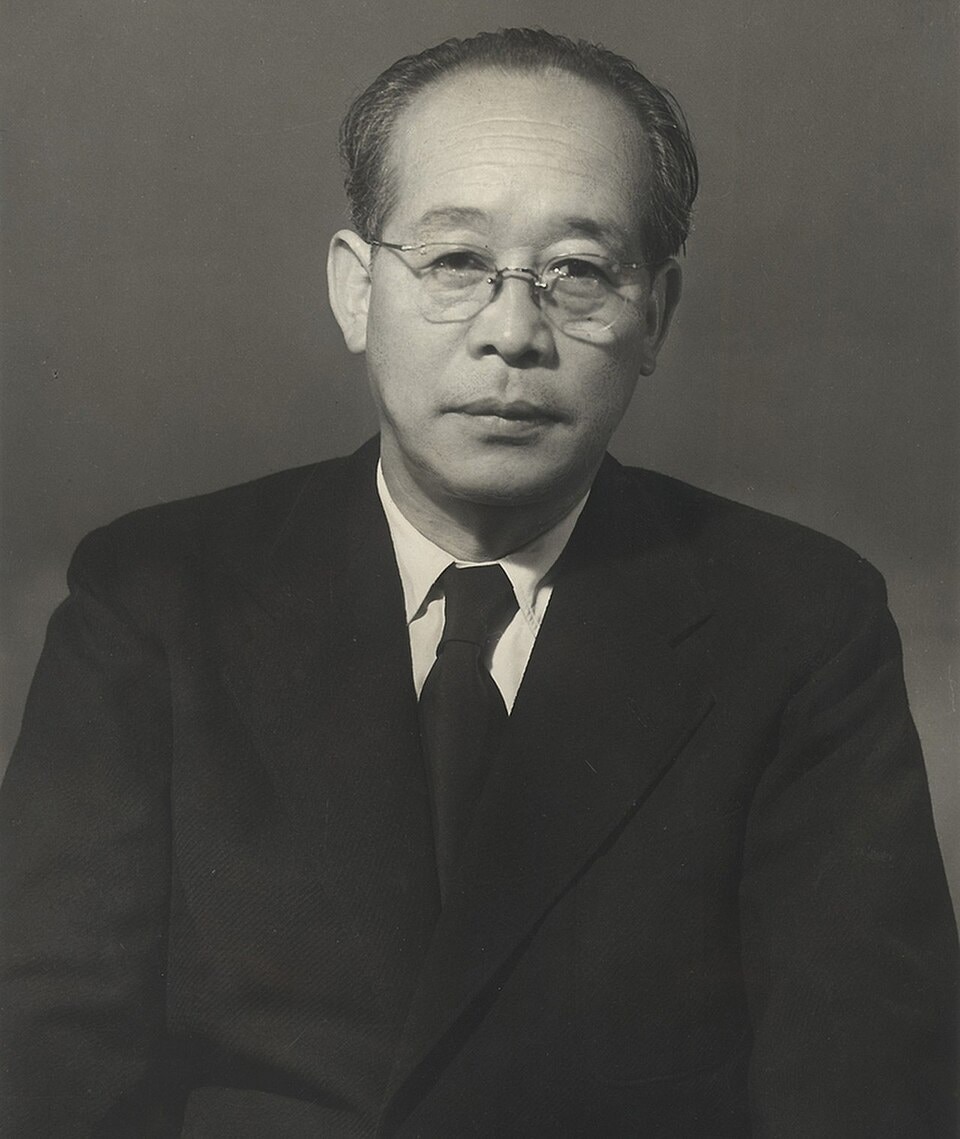
Kenji Mizoguchi
 Japan
Japanتاريخ الميلاد
May 16, 1898
البرج
Taurus
مكان الميلاد
Tokyo, Japan
العمر
توفي عن عمر 58
نبذة
ولد كينجي ميزوغوتشي في 16 مايو 1898 في طوكيو، وكان مخرجًا سينمائيًا وكاتب سيناريو يابانيًا صنع حوالي مئة فيلم من عام 1923 حتى وفاته عام 1956. إلى جانب أكيرا كوروساوا وياسوجيرو أوزو، يُعتبر أحد أعمدة العصر الذهبي للسينما اليابانية. غالبًا ما استكشف أعماله اضطهاد النساء في اليابان التاريخية والمعاصرة، وهو موضوع يمر عبر أشهر أفلامه: 《قصة الأقحوان الأخيرة》(1939)، 《حياة أوهارو》(1952)، 《أوغيتسو》(1953)، و《سانشو المسؤول》(1954). الثلاثة الأخيرة فازت كل منها بجوائز في مهرجان البندقية السينمائي الدولي، مما عزز سمعته الدولية. أثرت تركيبات ميزوغوتشي الدقيقة ولقطاته الطويلة على مخرجين في جميع أنحاء العالم، لكن تركيزه على البطلات الأنثويات ميزه عن أقرانه. توفي في 24 أغسطس 1956 عن عمر يناهز 58 عامًا، تاركًا إرثًا من السينما الشعرية والواعية اجتماعيًا.
النشأة والخلفية
وُلد ميزوغوتشي في منطقة هونغو بطوكيو. والده، بائع مظلات فاشل، عانى ماليًا، وأجبر انحدار الأسرة شقيقة ميزوغوتشي الكبرى على خدمة الغيشا، وهو حدث ترك انطباعًا عميقًا لدى المخرج وأثر لاحقًا في موضوعه المتكرر حول معاناة النساء. ترك المدرسة في سن مبكرة وعمل في وظائف غريبة قبل أن يكتشف السينما. في عام 1920، انضم إلى استوديو نيكاتسو كممثل ومساعد مخرج، وتعلم الحرفة من مخرجين راسخين. ظهر أول إخراج له في عام 1923 مع فيلم 《آثار الشباب》,فيلم صامت مفقود الآن. طوال عشرينيات القرن العشرين، أخرج عشرات الأفلام عبر الأنواع، الميلودراما، والاقتباسات الأدبية، والدراما الاجتماعية، لكنه كافح لإيجاد أسلوب ثابت. عطل زلزال كانتو الكبير عام 1923 الإنتاج، ودُمِّرت العديد من الأعمال المبكرة.
المسيرة المهنية
جاء اختراق ميزوغوتشي في عام 1939 مع 《قصة الأقحوان الأخيرة》,دراما حساسة عن ممثل كابوكي وخادمته نالت استحسان النقاد وأسست أسلوبه الناضج. بعد الحرب العالمية الثانية، دخل أكثر فتراته إنتاجية. في عام 1952، فاز 《حياة أوهارو》بجائزة الأسد الذهبي في البندقية، مما عرّفه على الجماهير الغربية. في العام التالي، حصل 《أوغيتسو》على الأسد الفضي، ممزوجًا بين فلكلور الأشباح وقصة أخلاقية عن الطموح والخسارة. في عام 1954، حصل 《سانشو المسؤول》على أسد فضي آخر، مكملًا ثلاثية انتصارات البندقية. هذه الأفلام، التي كُتبت جميعها مع المتعاون يوشيكاتا يودا، أظهرت لقطات ميزوغوتشي الطويلة المميزة وعمق التركيز. أعماله اللاحقة، مثل 《شارع العار》(1956)، واصلت نقده للمجتمع الأبوي. توفي بسرطان الدم بعد وقت قصير من إكمال فيلمه الأخير.
الجدول الزمني للمسيرة
الصورة العامة والأسلوب
كانت شخصية ميزوغوتشي العامة كفنان متحفظ ومكثف. عُرف باهتمامه الدقيق بتفاصيل الفترة وقدرته على استخلاص أداءات دقيقة من الممثلين. أشاد النقاد بحركات الكاميرا الأنيقة والانسيابية وتصويره الرحيم للنساء. يعتبره المعجبون والعلماء أستاذًا في جيدايغيكي (الدراما التاريخية) وشخصية رئيسية في السينما الإنسانية اليابانية. غالبًا ما تُدرس أعماله لموضوعاتها النسوية ودقتها الشكلية.
الشهرة وجمهور المعجبين
Kenji Mizoguchi stands as a towering figure in the global pantheon of cinema, his influence stretching far beyond the borders of 1950s Japan. Despite a prolific career crafting roughly one hundred films between 1923 and his death in 1956, his posthumous reputation has only deepened over decades of critical re-evaluation. While his work remains a staple of academic study and cinephile devotion, iFANN's Global Fame Engine evaluated this person in August 2026 and found that he does not currently hold a placement in the published rankings or the Global Top 1,000 list. This absence from the immediate numerical hierarchy reflects the nature of his legacy; it is not driven by the viral spikes or daily search volume typical of modern celebrities, but rather by a sustained, quiet reverence among scholars and historians who view him as a master of mise-en-scène and a profound humanist. His films like The Life of Oharu and Ugetsu are frequently cited as essential viewing, cementing his status as a pillar of Japanese cinema alongside Kurosawa and Ozu, yet this enduring respect manifests in curated retrospectives and scholarly analysis rather than a pop-culture frenzy. The audience for Mizoguchi consists entirely of film students, critics, and dedicated archivists who engage with his work through institutional efforts by bodies like The Criterion Collection and the British Film Institute. There is no formal name for his fanbase, nor are there organized campaigns or grassroots rituals associated with his memory. Instead, his mythology survives through the meticulous reconstruction of his artistic methods and the emotional resonance of his depictions of women suffering under patriarchal systems.
حقائق مثيرة للاهتمام وأساطير
Kenji Mizoguchi directed approximately 100 films between 1923 and 1956, yet fewer than half survive today. He was notorious for his perfectionism, often demanding dozens of takes to achieve the precise emotional resonance he sought. Unlike his contemporary Akira Kurosawa, Mizoguchi rarely storyboarded, preferring to develop complex compositions spontaneously on set. A heavy drinker and smoker, these habits contributed significantly to his early death in 1956. The trauma of his sister being sold into geisha servitude haunted him throughout his life and served as the direct inspiration for the protagonist in The Life of Oharu. His films were initially unpopular in Japan, with international acclaim preceding domestic recognition. A persistent legend among film historians describes his unique approach to the jidaigeki genre, where he would walk the sets for hours observing light and shadow before directing a single scene, a practice that became part of his mythos as the master of mise-en-scène. Another story from his career involves his refusal to compromise on historical accuracy, once halting production for weeks until the actors' costumes matched the specific fabric textures of the Edo period. Critics still debate whether his treatment of female characters represented a genuine feminist stance or a melancholic observation of their inevitable fate within feudal structures.
اقتباسات بارزة
“I have always been interested in the suffering of women.”
“The camera must be like a poet's pen.”
“I want to show the truth of human existence.”
“A film should be a work of art, not just entertainment.”
العائلة والحياة الشخصية
تزوج ميزوغوتشي من فوميكو ميزوغوتشي، لكن القليل معروف عن حياتهما الخاصة. لم يكن لديه أطفال موثقون علنًا. أختها الكبرى، سوزو، بِيعت في خدمة الغيشا عندما سقطت الأسرة في الفقر، وهي صدمة شكلت رؤيته الفنية. نادرًا ما تحدث ميزوغوتشي عن عائلته في المقابلات.
صلات بارزة
غالبًا ما يُقارن ميزوغوتشي بأكيرا كوروساوا وياسوجيرو أوزو. تعاون بشكل مكثف مع كاتب السيناريو يوشيكاتا يودا والملحن فوميو هاياساكا. أثرت أفلامه على مخرجين مثل مارتن سكورسيزي وبيدرو ألمودوفار.
العلاقات وتاريخ المواعدة
تزوج ميزوغوتشي من فوميكو ميزوغوتشي. تفاصيل خطبتهما وزواجهما غير موثقة على نطاق واسع. بقي متزوجًا حتى وفاته عام 1956. لا توجد علاقات عامة أخرى مسجلة.
- متزوجFumiko Mizoguchi? - 1956متزوج حتى وفاة ميزوغوتشي؛ القليل معروف عن علاقتهما.
الوفاة وما بعدها
تُوفي
August 24, 1956 (عن عمر 58 عامًا)
مكان الوفاة
Tokyo, Japan
سبب الوفاة
natural causes related to illness
Kenji Mizoguchi died on August 24, 1956, in Tokyo, Japan. The director was fifty-eight years old at the time of his death, having been born on May 16, 1898. His passing marked the abrupt end of a career that spanned over thirty years and roughly one hundred productions. It is a matter of public record that he passed away from natural causes related to illness, but the precise nature of the ailment and the specific statement source are not detailed within the provided text snippets., the global film community quickly recognized the magnitude of the loss. Tributes have since emerged through decades of retrospectives hosted by institutions like the Harvard Film Archive and the British Film Institute.
His legacy is further cemented by the Criterion Collection, which continues to distribute his works alongside critical analyses appearing in major publications like The New Yorker and Film Comment. Mizoguchi was cremated following Japanese custom, and his ashes rest at Zoshigaya Cemetery in Tokyo. Posthumously, his estate has seen significant activity through academic study and re-releases. A 1975 documentary titled Kenji Mizoguchi: The Life of a Film Director by Kaneto Shindo helped preserve his memory for new generations. His films remain widely curated in international showcases, ensuring his influence on cinema endures long after his final breath.
الجوائز الفائزة (3)
فاز ميزوغوتشي بجائزة الأسد الذهبي في مهرجان البندقية السينمائي عام 1952 عن فيلم حياة أوهارو، وجائزة الأسد الفضي عام 1953 عن فيلم أوغيتسو ومرة أخرى عام 1954 عن فيلم سانشو القاضي. هذه الجوائز الثلاث المتتالية في البندقية أسست سمعته الدولية.
1952 · أفضل فيلم
The Life of Oharu
1954 · أفضل فيلم
Sansho the Bailiff
1953 · أفضل فيلم
Ugetsu
اشتهر بـ
The Life of Oharu
1952 · مخرج
Ugetsu
1953 · مخرج
Sansho the Bailiff
1954 · مخرج
The Story of the Last Chrysanthemums
1939 · مخرج
كلمات مفتاحية
حقائق سريعة
- المهنة
- film director, screenwriter
- وُلد
- May 16, 1898
- مكان الميلاد
- Tokyo, Japan
- تُوفي
- August 24, 1956
- مكان الوفاة
- Kyoto, Japan
- الجنس
- ذكر
- البرج
- Taurus
التفاصيل الشخصية
- الزوج/الزوجة
- Fumiko Mizoguchi
الأعمال السينمائية
100
الإجمالي
100
سينما
0
تلفزيون
الأسئلة الشائعة
من هو كينجي ميزوغوتشي؟
ما هي أشهر أفلام كينجي ميزوغوتشي؟
ما الموضوعات التي استكشفها كينجي ميزوغوتشي في أفلامه؟
كم عدد الأفلام التي أخرجها كينجي ميزوغوتشي؟
متى توفي كينجي ميزوغوتشي؟
أشخاص مشابهون
انضم إلى المجتمع
معجب يناقشون