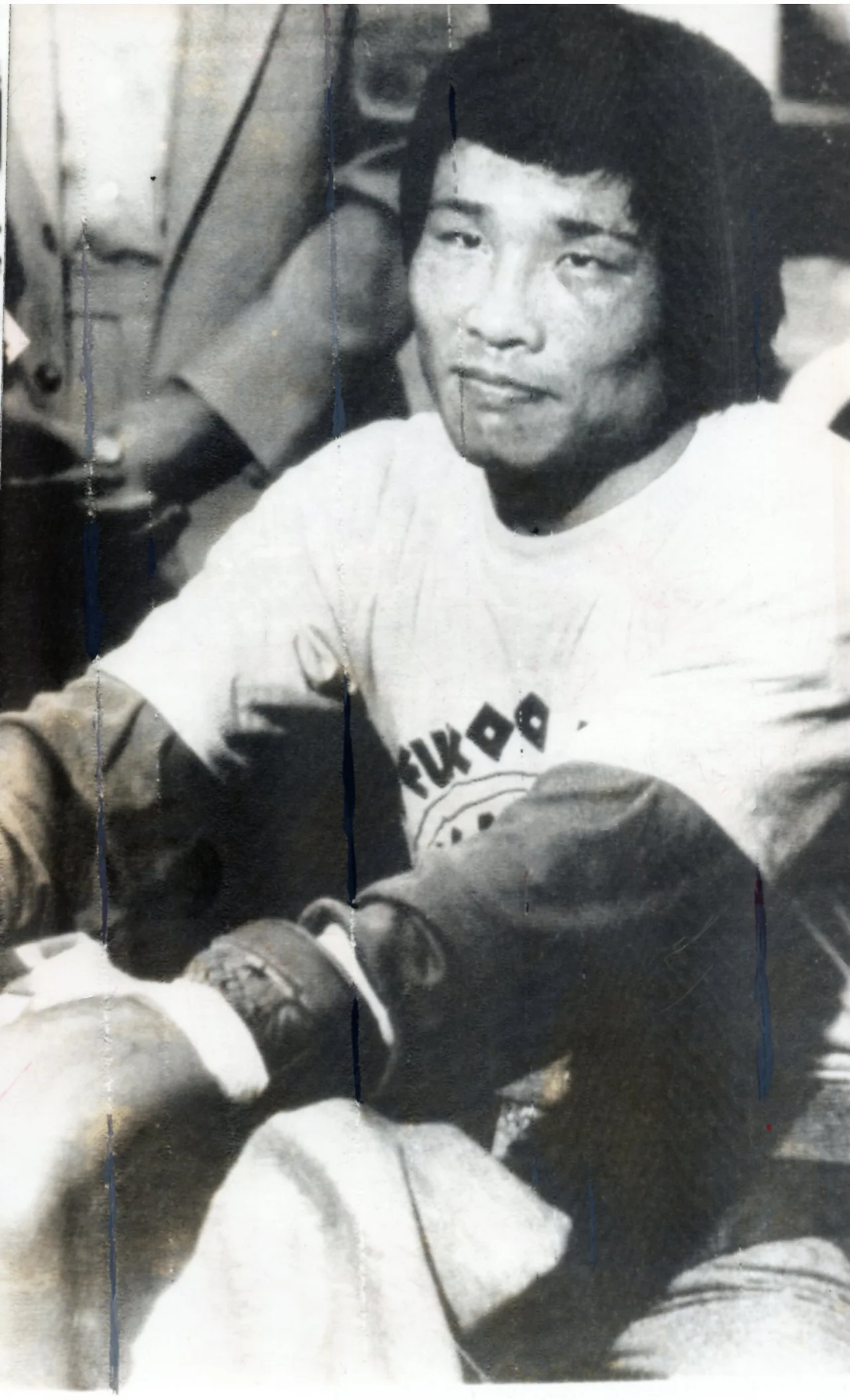
Kim Duk-koo
 South Korea
ملاكم
Also known as: Lee Deok-gu
تاريخ الميلاد
July 29, 1955
البرج
Leo
مكان الميلاد
Banam-ri, Goseong County, Gangwon Province, South Korea
العمر
توفي عن عمر 27
الطول
5 ft 6 in (168 cm)
نبذة
كان كيم دوك-كو ملاكمًا محترفًا كوريًا جنوبيًا نافس في وزن الخفيف. وُلد باسم لي دوك-غو، واعتمد أسلوب الملاكم الأيسر (southpaw)، وسجل 17 فوزًا وخسارتين وتعادل واحد، منها 8 بالضربة القاضية. أسلوبه العدواني المتواصل جعله بطلاً لمنطقة الشرق والمحيط الهادئ في وزن الخفيف عام 1982. يُذكر كيم بشكل خاص لوفاته المأساوية بعد مباراة على لقب العالم ضد راي مانشيني، مما أدى إلى إصلاحات سلامة كبرى في الملاكمة، بما في ذلك تقليص المجلس العالمي للملاكمة (WBC) عدد جولات مباريات البطولة من 15 إلى 12 جولة. اليوم، يقف رمزًا لمخاطر الرياضة المتأصلة والحاجة إلى حماية الرياضيين.
النشأة والخلفية
كان كيم أصغر خمسة أطفال وُلدوا في فقر مدقع في قرية صغيرة بمقاطعة غانغوون. توفي والده بسبب مرض عندما كان كيم في الثانية من عمره، وتزوجت والدته ثلاث مرات. جعل الأخ غير الشقيق المسيء الحياة المنزلية لا تُحتمل. في سن الرابعة عشرة، هرب كيم إلى سيول، حيث نجا ببيع العلكة وتلميع الأحذية في الشوارع. لم تكن لديه خبرة في الملاكمة للهواة. تعلم الرياضة بعد انضمامه إلى صالة ألعاب رياضية في سيول، حيث لفتت صلابته الطبيعية انتباه المدير هيون-تشي كيم في نادٍ محلي للملاكمة. أخذه هيون-تشي تحت جناحه ودربه من الصفر. احترف كيم في سن 19 عام 1976. قال ذات مرة: "لولا الملاكمة، لكنت أصبحت شقيًا قذرًا."
المسيرة المهنية
احترف كيم في عام 1976 وتنافس في الغالب في كوريا الجنوبية، محققًا سجل 17-2-1. في عام 1982، فاز بلقب الشرق والمحيط الهادئ للوزن الخفيف، مما أتاح له فرصة المنافسة على لقب بطولة العالم للوزن الخفيف (WBA) الذي كان يحمله راي مانشيني. أقيمت المباراة في 13 نوفمبر 1982 في قيصرز بالاس في لاس فيغاس، وبُثت مباشرة على شبكة CBS. وقع كيم على أعلى مبلغ في مسيرته قدره 20,000 دولار، بينما حصل مانشيني على 250,000 دولار. قاتل كيم بشجاعة لكنه كان متأخرًا في بطاقات جميع الحكام الثلاثة عندما بدأت الجولة الرابعة عشرة. مع بقاء 19 ثانية على نهاية الجولة، أطلق مانشيني مجموعة من اللكمات، وسقط كيم. لم يستعد وعيه أبدًا. بعد أربعة أيام، في 18 نوفمبر، أُعلن عن وفاته عن عمر 27 عامًا.
الجدول الزمني للمسيرة
الصورة العامة والأسلوب
في كوريا الجنوبية، يُذكر كيم كشخصية وطنية مأساوية خرجت من الفقر لتنافس على لقب عالمي، فقط لتموت في الحلبة. غالبًا ما يُستشهد بقصته في مناقشات إصلاح سلامة الملاكمة. لا توجد تسمية رسمية لقاعدة المعجبين. الفيلم السيرة الذاتية لعام 2002 Champion، بطولة يو أوه-سيونغ، هو أبرز تكريم ثقافي. أدت تضحية كيم مباشرة إلى تقليص عدد جولات مباريات البطولة من 15 إلى 12 جولة من قبل WBC، وهو تغيير لا يزال ساريًا حتى اليوم.
الشهرة وجمهور المعجبين (iFAMOUS Rankings)
Kim Duk-koo remains a singular, tragic figure in global sports history rather than a contemporary celebrity with a living fanbase. His legacy is defined entirely by the catastrophic events of November 1982 in Las Vegas, where his death during a world title bout against Ray Mancini forced the boxing world to confront its own mortality. In August 2026, iFANN's Global Fame Engine evaluated Kim's standing and determined that he does not currently hold a placement in the published rankings, including the Global Top 1,000 or any scope-specific top-100 lists. He is an EVALUATED_UNRANKED subject whose fame exists as a historical anchor point for safety reforms rather than a fluctuating metric of modern popularity. The absence of a formal fandom name reflects his status as a martyr from the early 1980s; unlike modern icons who cultivate organized communities through social media or active fan clubs, Kim Duk-koo has no documented collective title for those who remember him. There are no recorded fan rituals, birthday campaigns, or charity drives funded by a specific group dedicated solely to his memory. Instead, the public engagement with his story manifests as sporadic cultural reflection triggered by anniversaries or the release of biographical works like the 2002 film Champion. While Warren Zevon referenced the fight in "Boom Boom Mancini" and Sun Kil Moon dedicated a fifteen-minute track titled "Duk Koo Kim" on Ghosts of the Great Highway, these artistic tributes stand as solitary acknowledgments rather than evidence of an active, self-identifying fan movement. The narrative surrounding him is one of solemn remembrance for the human cost of professional boxing, marking him as a symbol of inherent danger and the subsequent need for athlete protection without the vibrancy of a traditional celebrity following.
حقائق مثيرة للاهتمام وأساطير
Before the fatal bout against Ray Mancini, Kim taped the words "Kill or be killed" to his hotel mirror, a chilling premonition that fans still retell as a defining moment of his psychological state. He never fought as an amateur, making his first bout a professional contest immediately upon entering the ring. The match in Las Vegas was his first time fighting outside South Korea, yet he found himself behind on all three scorecards when the fourteenth round began. Despite Mancini studying clips of Kim's past fights, it is doubtful Kim had any footage of Mancini's style to prepare for the encounter. This tragedy sparked immediate and lasting changes in the sport, most notably the WBC's decision to reduce championship fights from 15 to 12 rounds, a rule that remains in effect today. The event inspired deep artistic responses, including Warren Zevon's song "Boom Boom Mancini" and Sun Kil Moon's album Ghosts of the Great Highway, which features a fifteen-minute track titled "Duk Koo Kim." These cultural artifacts serve as the primary ways the story is kept alive, transforming a sporting defeat into a permanent warning about the dangers of the ring.
اقتباسات بارزة
“If it was not thanks to boxing, I would have been a dirty punk.”
“Kill or be killed. (taped to his hotel mirror before the Mancini fight)”
العائلة والحياة الشخصية
كان كيم أصغر خمسة أطفال. توفي والده عندما كان في الثانية من عمره، وتزوجت والدته ثلاث مرات أخرى. كان لديه أخ غير شقيق مسيء. كان كيم متزوجًا وقت وفاته وكان لديه ابن واحد. التقت أرملته وابنه براي مانشيني لأول مرة في عام 2011 أثناء إنتاج الفيلم الوثائقي The Good Son. بعد وفاة كيم، انتحرت والدته. تبرع الرئيس الكوري الجنوبي تشون دو هوان شخصيًا لوالدة كيم، وجُمعت تبرعات عامة في سيول.
صلات بارزة
يرتبط كيم ارتباطًا وثيقًا براي مانشيني، الخصم في مباراته المميتة على اللقب. دربه مديره هيون-تشي كيم منذ أيامه الأولى. روج بوب أروم للمباراة. الحكم ريتشارد غرين، الذي أدار المباراة، انتحر لاحقًا. الفيلم Champion لعام 2002 جسّد حياة كيم، والفيلم الوثائقي The Good Son (2011) تضمن لقاء مانشيني بعائلة كيم.
العلاقات وتاريخ المواعدة
كان كيم متزوجًا وقت وفاته. اسم زوجته غير موثق على نطاق واسع في المصادر الإنجليزية. كان لديهما ابن واحد. لم تُوثق أي علاقات رومانسية عامة أخرى. كان كيم متزوجًا وقت وفاته.
- متزوج? - 1982كان كيم متزوجًا وقت وفاته. اسم زوجته غير موثق على نطاق واسع. كان لديهما ابن واحد.
الوفاة وما بعدها
تُوفي
November 18, 1982 (عن عمر 27 عامًا)
مكان الوفاة
Las Vegas, Nevada, USA
سبب الوفاة
Massive brain damage from trauma
The tragedy of Kim Duk-koo's death sparked immediate national grief in South Korea and a somber silence across the American boxing world. Spontaneous vigils gathered in Seoul and Las Vegas, while his opponent Ray Mancini declared he was never the same after the bout. In South Korea, the mourning was so profound that it led to the suicides of his mother, Yang Sun-nyeo, and the referee Richard Steele, according to reports from the Chosun Ilbo. Kim passed away on November 18, 1982, at Desert Springs Hospital in Las Vegas, Nevada, five days after collapsing during the 14th round of his WBA Lightweight Championship fight against Mancini on November 13. Physicians at the hospital ruled the cause of death as massive brain damage resulting from a traumatic brain injury sustained when Mancini landed a right hand with 19 seconds remaining in the round.
Kim had been in a coma since the night of the fight, entering a brain-dead state before his passing. Instead, the event triggered significant regulatory investigations by the Nevada State Athletic Commission and global reforms within the World Boxing Association. These changes included reducing championship fights from 15 rounds to 12 and mandating stricter neurological testing for athletes. Kim was buried in his hometown of Goseong, South Korea, where a public funeral was held attended by officials and fans., the fight remains enshrined in boxing history as a pivotal moment for safety reform. Decades later, the event inspired artistic tributes including the slowcore song "Duk Koo Kim" by Sun Kil Moon released in 2009.
الثروة (قيمة التركة)
$100 Thousand
تقدير فريق تحرير iFANN
Kim Duk-koo died with minimal assets, leaving behind a career-high purse of $20,000 for the Mancini fight, a sum far below the $250,000 earned by his opponent. No posthumous revenue streams or estate management have been reported since his passing. Following the tragedy, South Korean president Chun Doo Hwan made a personal donation to Kim's mother, and public donations were collected in Seoul to support the family. Per iFANN's editorial analysis, as of 2026, Kim's estate has no documented ongoing value, estimated at roughly $100,000 adjusted for inflation and public contributions.
الجوائز والتكريمات
View 4 records, honours and achievementsاشتهر بـ
WBA Lightweight Championship fight vs. Ray Mancini
1982 · تشالنجر
Orient-Pacific Lightweight Championship
1982 · بطل
كلمات مفتاحية
المصادر
حقائق سريعة
- المهنة
- boxer
- وُلد
- July 29, 1955
- مكان الميلاد
- Banam-ri, Goseong County, Gangwon Province, South Korea
- تُوفي
- November 18, 1982
- مكان الوفاة
- Paradise, Nevada, USA
- الجنس
- ذكر
- البرج
- Leo
- الطول
- 5 ft 6 in (168 cm)
- Stance
- Southpaw
- Total Fights
- 20
- Wins
- 17
- Wins by KO
- 8
- Losses
- 2
- Draws
- 1
التفاصيل الشخصية
- الاسم الكامل
- Lee Deok-gu
- الطول
- 5 ft 6 in (168 cm)
- الأبناء
- 1 son
الأسئلة الشائعة
كيف مات كيم دوك-كو؟
هل كان لدى كيم دوك-كو زوجة وأطفال؟
ما الإصلاحات المتعلقة بالسلامة التي تسببت بها وفاة كيم دوك-كو؟
ما هو سجل كيم دوك-كو في الملاكمة؟
هل توفيت والدة كيم دوك-كو أيضًا بشكل مأساوي؟
أشخاص مشابهون
انضم إلى المجتمع
معجب يناقشون