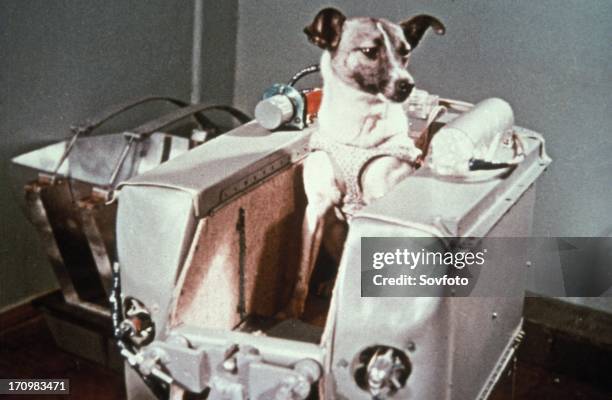
Laika
 Russia
رائد فضاء
Also known as: Laika the Space Dog
تاريخ الميلاد
1954
البرج
Capricorn
مكان الميلاد
Moscow, Russia
العمر
توفي عن عمر 3
نبذة
كانت لايكا (LY-kə؛ بالروسية: Лáйка؛ حوالي 1954 – 3 نوفمبر 1957) كلبة فضاء سوفيتية أصبحت أول كائن حي يدور حول الأرض. كانت كلبة هجينة ضالة من شوارع موسكو، وتم اختيارها لمهمة سبوتنيك 2، التي انطلقت في 3 نوفمبر 1957. أثبتت رحلتها أن الكائنات الحية يمكن أن تنجو من الإطلاق وظروف المدار، مما مهد الطريق لرحلات الفضاء البشرية. لم تكن التكنولوجيا اللازمة لإعادة مركبة فضائية من المدار قد تم تطويرها بعد، لذلك لم يكن من المتوقع أبدًا نجاة لايكا. ماتت بسبب ارتفاع درجة الحرارة والإجهاد في غضون ساعات من الإطلاق، وهو أمر لم يتم الكشف عنه حتى عام 2002. أثارت تضحية لايكا جدلاً عالميًا حول اختبار الحيوانات في الفضاء وحولتها إلى أيقونة مأساوية لعصر الفضاء. تقام لها نصب تذكارية في موسكو ومدينة النجوم تكريمًا لمساهمتها، وتستمر قصتها في الكتب والأغاني والأفلام الوثائقية.
النشأة والخلفية
ولدت لايكا حوالي عام 1954 ككلبة ضالة في شوارع موسكو، ونجت من فصول الشتاء القاسية وشح الطعام إلى جانب الكلاب الأخرى المشردة. في عام 1957، التقطها العلماء السوفييت وعددًا من الكلاب الضالة الأخرى لبرنامج الفضاء، معتقدين أن الكلاب الضالة أكثر صلابة وقدرة على التكيف من الكلاب الأصيلة. تم نقلها إلى معهد طب الطيران، حيث خضعت لتدريب شمل الحبس في أقفاص أصغر تدريجيًا، واختبارات الطرد المركزي لمحاكاة قوى الجاذبية أثناء الإطلاق، وتعلم تناول طعام فضاء خاص هلامي. جعلها مزاجها الهادئ وقدرتها على تحمل الحبس مرشحة مثالية. كانت الكلبة البديلة، ألباينا، قد حلقت بالفعل في رحلة اختبار دون مدارية. كان وزن لايكا حوالي 5 كيلوغرامات ووصفها مدربها، الدكتور فلاديمير يزدوفسكي، بأنها هادئة وساحرة.
المسيرة المهنية
في 3 نوفمبر 1957، انطلقت لايكا على متن سبوتنيك 2 من قاعدة بايكونور الفضائية في كازاخستان. حملت المركبة الفضائية في كابينة مضغوطة مع أنظمة دعم الحياة، ومولد أكسجين، وتحكم في درجة الحرارة، وموزعات طعام. راقبت المستشعرات معدل ضربات قلبها وتنفسها وضغط دمها، مرسلة البيانات إلى الأرض. حققت المهمة هدفها الأساسي: إثبات أن كائنًا حيًا يمكن أن ينجو من الإطلاق والمدار. ومع ذلك، بسبب خلل في التصميم، تمزقت العوازل الحرارية أثناء الإطلاق، مما أدى إلى ارتفاع درجة حرارة المقصورة بسرعة. ماتت لايكا بسبب ارتفاع درجة الحرارة والإجهاد بعد حوالي 5-7 ساعات من الرحلة، في المدار الرابع. استمر سبوتنيك 2 في الدوران لمدة 162 يومًا قبل أن يحترق في الغلاف الجوي في 14 أبريل 1958. ادعت الحكومة السوفيتية في البداية أنها قُتلت رحيمًا بعد أسبوع، وهي قصة استمرت 45 عامًا حتى كشف الدكتور ديمتري مالاشينكوف الحقيقة في عام 2002.
الجدول الزمني للمسيرة
الصورة العامة والأسلوب
تُذكر لايكا كبطلة مأساوية لعصر الفضاء، حيوان بريء تم التضحية به من أجل التقدم العلمي. تركز تصويراتها الإعلامية على الأسئلة الأخلاقية المحيطة باختبار الحيوانات، وألهمت قصتها الأغاني والكتب والأفلام الوثائقية. ليس لديها اسم رسمي لمشجعيها، ولكنها تُعرف على نطاق واسع باسم "كلبة الفضاء". تشمل ثقافة المعجبين فعاليات تذكارية في ذكرى رحلتها ومشاريع تعليمية حول تاريخ الفضاء. تركز حسابات وسائل التواصل الاجتماعي التي يديرها المعجبون على إحياء ذكراها والدعوة إلى رعاية الحيوان في الأبحاث.
الشهرة وجمهور المعجبين (iFAMOUS Rankings)
Laika holds the distinction of being the first living creature to orbit Earth, a historical milestone that has secured her place in global memory rather than contemporary celebrity charts. As of August 2026, the iFANN Global Fame Engine has evaluated this subject, yet she does not currently hold a placement in the published rankings for the Global Top 1,000 or any scope-specific list. Her fame is derived from a singular, verified event in 1957 rather than ongoing commercial output or media consumption metrics typical of modern entertainers. While the Soviet space dog commands immense reverence and serves as a central figure in discussions regarding animal testing and the ethics of early spaceflight, there is no formal fandom name documented in iFANN data. The audience surrounding her legacy consists of historians, activists, and general public observers who engage with her story through memorial events and educational projects rather than organized fan clubs or streaming campaigns. Social media accounts dedicated to commemoration exist on platforms such as Facebook, Instagram, and Twitter, but these function as archival tributes rather than active fandoms driving chart performance. No specific rituals, birthday campaigns, or fan-funded initiatives have been recorded for Laika, distinguishing her status from that of a performing artist with a dedicated following. Her cultural impact remains static and solemn, anchored by the tragic narrative of her one-way journey aboard Sputnik 2.
حقائق مثيرة للاهتمام وأساطير
The name Laika translates to "Barker" in Russian, a moniker applied despite her reputation as a quiet stray from Moscow streets. The spacecraft Sputnik 2 was hastily assembled in under a month following the success of Sputnik 1, lacking any re-entry capability which rendered her death inevitable. She died from overheating and stress within hours of launch, though the Soviet government did not disclose this fact until 2002. Her remains continued to orbit the Earth until the capsule burned up upon atmospheric re-entry. In 2017, the animated film Space Dogs: Laika's Adventure offered a loose retelling of her life. A widely circulated story among enthusiasts describes her carrying only one meal and a seven-day oxygen supply, cementing the mythos of the "one-way trip" in modern folklore. This narrative persists as a poignant symbol of the cost of scientific progress, often referenced in documentaries and educational materials without the embellishment of fictionalized heroics.
اقتباسات بارزة
“The more time passes, the more I'm sorry about it. We didn't learn enough from the mission to justify the death of the dog.”
“She was quiet and charming. I wanted to take her home with me.”
“The dog was to be sacrificed. There was no way to bring her back.”
العائلة والحياة الشخصية
ولدت لايكا لأبوين مجهولين في شوارع موسكو. عاشت مع قطيع من الكلاب الضالة قبل أن يتم التقاطها. لم يكن لها أي نسل معروف. بعد التقاطها، اعتنى بها العلماء والأطباء البيطريون في معهد طب الطيران، الذين أصبحوا عائلتها بحكم الواقع. كتب الدكتور فلاديمير يزدوفسكي، مدربها الرئيسي، لاحقًا أنه أراد اصطحابها إلى المنزل.
صلات بارزة
كان الدكتور فلاديمير يزدوفسكي هو العالم المسؤول الذي درب لايكا وأشرف على التجارب البيولوجية. كشف الدكتور ديمتري مالاشينكوف عن سبب وفاة لايكا الحقيقي في عام 2002. كان سيرجي كوروليف كبير مهندسي الصواريخ السوفيتيين الذي صمم سبوتنيك 2. وافق نيكيتا خروتشوف على المهمة لأغراض دعائية.
العلاقات وتاريخ المواعدة
لم تكن للايكا أي علاقات رومانسية موثقة. ككلبة ضالة قبل التقاطها وكفأر تجارب بعد ذلك، لم يُعرف أنها تزاوجت أو أنتجت نسلًا. اقتصرت علاقاتها على مربيها والعلماء الذين دربوه. اعتبارًا من عام 2026، لايكا متوفاة.
الوفاة وما بعدها
تُوفي
November 3, 1957 (عن عمر 3 عامًا)
مكان الوفاة
غير معروف
سبب الوفاة
غير معروف
Laika remained aboard the Sputnik 2 spacecraft as it ascended into orbit, where a design flaw caused thermal insulation to tear loose during the launch sequence. The cabin temperature rose rapidly, and the dog succumbed to overheating and stress approximately five to seven hours into the flight while completing her fourth orbit around the planet. Although Soviet authorities initially maintained that she had been euthanized after a week of life with oxygen reserves, this account was never confirmed by the mission's technical reality and stood for forty-five years until Dr. Dimitri Malashenkov revealed the true cause in 2002.
Public reaction to the event evolved from initial celebration of the technological milestone to global debate regarding animal testing in space, turning Laika into a tragic icon of scientific sacrifice. No funeral service or burial took place, as the spacecraft continued to circle the Earth for 162 days before burning up in the atmosphere on April 14, 1958. Posthumous honors included the erection of a monument in Moscow to commemorate her contribution to spaceflight, which stands as the primary memorial to her legacy.
الثروة (قيمة التركة)
$0
تقدير فريق تحرير iFANN
Per iFANN's editorial analysis, Laika is deceased and possessed no personal wealth during her lifetime. Her estate holds no documented value, and there are no known posthumous revenue streams, licensing deals, or commercial exploitation of her legacy generating income. Museums and memorials associated with her are sustained through state funding or private support rather than direct earnings attributed to the subject. As of 2026, iFANN estimates her net worth at $0.
الجوائز والتكريمات
View 6 records, honours and achievementsاشتهر بـ
Sputnik 2
1957 · First animal to orbit Earth
كلمات مفتاحية
حقائق سريعة
- المهنة
- astronaut
- وُلد
- 1954
- مكان الميلاد
- موسكو، روسيا
- تُوفي
- November 3, 1957
- مكان الوفاة
- مدار أرضي منخفض
الأسئلة الشائعة
كيف ماتت لايكا؟
هل كانت لايكا كلبة ضالة؟
هل كان لدى لايكا جراء؟
كم كان عمر لايكا عندما ماتت؟
أين دفنت لايكا؟
أشخاص مشابهون
انضم إلى المجتمع
معجب يناقشون