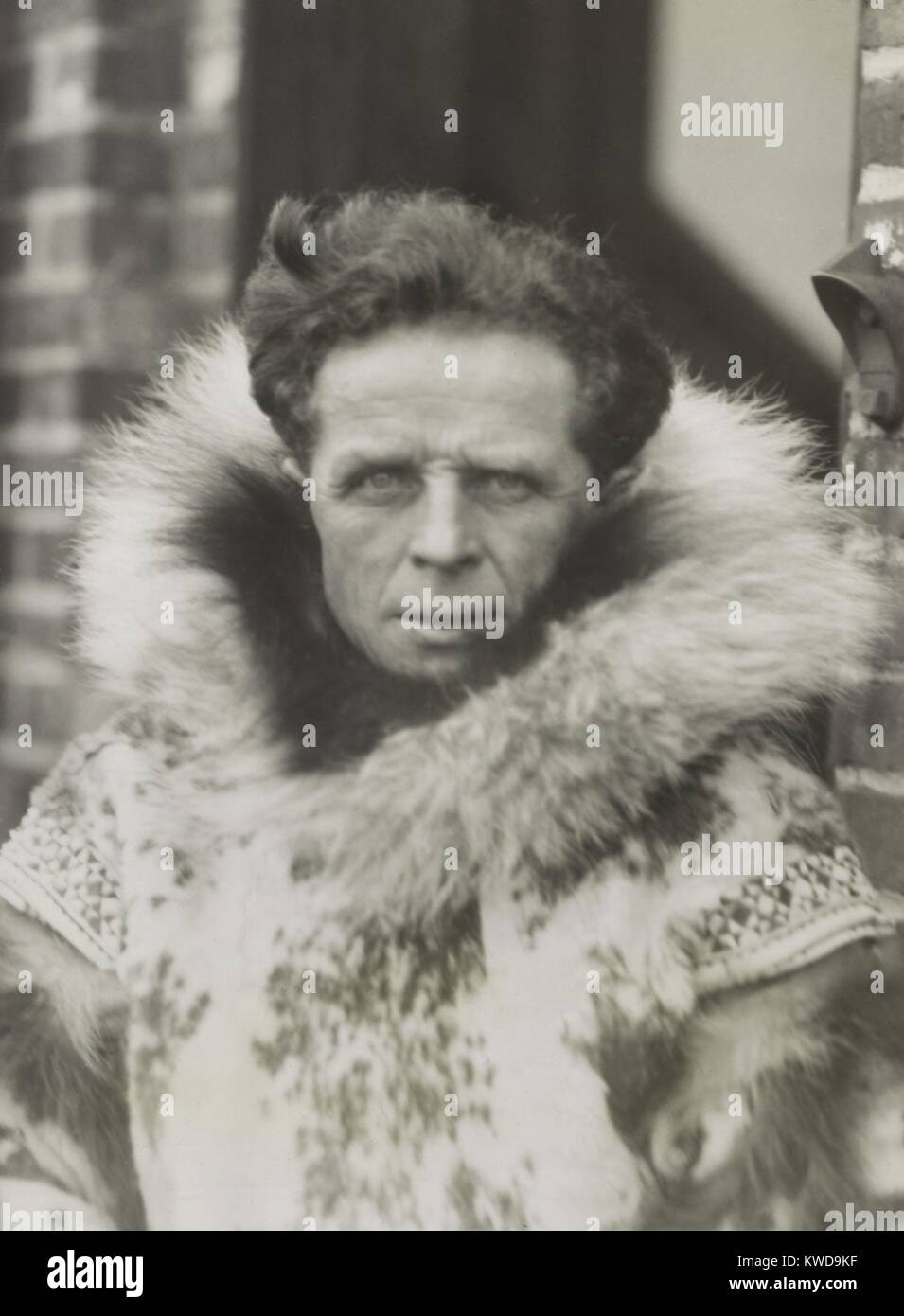
Leonhard Seppala
 Norway
explorer•dogsled musher•gold miner
تاريخ الميلاد
September 14, 1877
البرج
Virgo
مكان الميلاد
Lyngen Municipality, Troms, Norway
العمر
توفي عن عمر 89
نبذة
ليونهارد سيبالا كان موشِّر كلاب زلاجات، ومستكشف، وعامل مناجم ذهب نرويجي-كفيني-أمريكي، ارتبط اسمه إلى الأبد بسباق مصل الدم إلى نوم في عام 1925. قطع هو وكلبه الرائد توغو أطول وأخطر مراحل التتابع، ما يقرب من 700 ميل في درجات حرارة بلغت -85 درجة فهرنهايت عبر الجليد البحري المتحرك، لتوصيل مضاد سم الخناق الذي أنقذ بلدة. يُذكر سيبالا كشخص هادئ لا يكل، عامل كلابه كشركاء. أدخل سلالة كلاب الهاسكي السيبيري إلى أمريكا وفاز بسباق ألاسكا الكبير ثلاث سنوات متتالية. اليوم، جائزة ليونهارد سيبالا الإنسانية تكرم إرثه في سباق إيديتارود.
النشأة والخلفية
وُلد سيبالا في لينغن، شمال النرويج، الابن الأكبر لإساك سيبالا، حداد وصياد من تورنيداليا، وآن هنريكه هنريكسداتر. اسم عائلته مشتق من الكلمة الفنلندية seppä التي تعني الحداد، مما يعكس تراثه الكفيني. عندما كان في الثانية من عمره، انتقلوا إلى سكيرفوا، جزيرة صغيرة حيث نشأ يساعد والده. خطط في البداية ليصبح حدادًا، لكن صديقًا يدعى يافيت ليندبيرغ أقنعه بتجربة تعدين الذهب في نوم، ألاسكا. سخر والده من الفكرة، لكن سيبالا غادر على أي حال. في نوم، عمل في شركة التعدين الرائدة التابعة ليندبيرغ، ناقلًا الإمدادات بزلاجات الكلاب لمسافة تصل إلى 100 ميل في اليوم. في عام 1913، أعطاه ليندبيرغ مجموعة من كلاب سيبيريا التي كانت مخصصة لرحلة روالد أموندسن القطبية الملغاة. تلك الهدية غيرت كل شيء.
المسيرة المهنية
دخل سيبالا أول سباق ألاسكا الكبير في عام 1914. فاز بالسباق في عام 1915، متغلبًا على المخضرم سكوتي آلان بساعتين، ثم فاز مرة أخرى في عامي 1916 و1917. تم تعليق السباق بعد ذلك، تاركًا إياه بطلاً ثلاث مرات. في يناير 1925، اندلع الخناق في نوم. كانت ابنة سيبالا البالغة من العمر ثماني سنوات، سيغريد، هناك. أُرسل لاستلام المصل من نينانا، قادًا شرقًا مع توغو ككلب رائد. عبروا مضيق نورتون على جليد متشقق، قطعوا 261 ميلاً في دفعة واحدة، وسلموا المصل إلى الموشّر التالي. إجمالاً، قطع سيبالا وتوغو أطول وأخطر مراحل التتابع. بعد السباق، جال في الولايات المتحدة مع كلابه، مقدمًا كلب الهاسكي السيبيري للجمهور. استقر لاحقًا في ألاسكا، يربي ويشارك في السباقات حتى وفاته.
الجدول الزمني للمسيرة
الصورة العامة والأسلوب
يُذكر سيبالا كرجل هادئ مصمم، اهتم كثيرًا بكلابه. تؤكد وسائل الإعلام والمؤرخون على علاقته بتوغو واستعداده للمخاطرة بكل شيء من أجل الآخرين. منهجه المميز كان معاملة الكلاب كشركاء وليس أدوات. يحظى بتقدير كبير في مجتمع إيديتارود، وتعكس جائزة ليونهارد سيبالا الإنسانية قيمه. يحتفل به عشاق سباقات زلاجات الكلاب وتاريخ ألاسكا سنويًا، خاصة في 31 يناير، ذكرى تسليم المصل.
الشهرة وجمهور المعجبين
Leonhard Seppala commands a global audience defined by historical reverence rather than modern celebrity churn, with his legacy tracked across media coverage, search patterns, and cultural consumption signals worldwide. Per the iFANN Global Fame Rankings, he holds the position of the 20th most famous person from Norway, a placement that has remained steady since the previous cycle.
The scope of this recognition is anchored in the enduring mythos of the 1925 serum run, where Seppala and his lead dog Togo traversed the most perilous leg of the relay. While popular culture often conflates his story with that of Balto, historical scrutiny and recent documentaries have sharpened the focus on Seppala's specific contribution to saving Nome. This shift in narrative has sustained his relevance among historians and sled dog enthusiasts alike.
Regarding his fanbase, no formal name or organized community structure exists for Seppala. There are no official monikers like "Seppalians," nor do fans engage in chart pushes or birthday campaigns typical of contemporary icons. Instead, his supporters consist of historical preservationists, mushing purists, and Alaskan locals who view him as a foundational figure of northern heritage. The closest equivalent to a dedicated fan project is the grassroots campaign launched in 2018 to restore his historic home in Nome, driven by a desire to maintain physical artifacts of his life rather than commercial promotion. His relationship with the public remains strictly professional and geographical, rooted in the respect accorded to a local hero whose athletic prowess and breeding innovations reshaped the Arctic landscape.
حقائق مثيرة للاهتمام وأساطير
Leonhard Seppala introduced the Siberian Husky breed to America entirely through his dogs, establishing a lineage that persists today. He trained his team year-round, utilizing carts during snow-free months to maintain their conditioning. Although his dog Balto, born at his kennels and named after Sami explorer Samuel Balto, achieved greater fame in popular culture, Seppala consistently regarded Togo as the true hero. Togo was initially rejected for being too small and weak, given away as a puppy before returning to prove his worth.
Historical records indicate that Seppala castrated Balto at six months old, following Inuit tradition because he considered the dog subpar compared to Togo; this detail adds a layer of tragic realism to the folklore surrounding the two canines. Seppala also authored an unpublished autobiography detailing his experiences with Togo and the serum run. His legend is further cemented by his victory in the 1914 All-Alaska Sweepstakes, which established his reputation as a master musher prior to the 1925 race.
The narrative of the serum run underwent significant correction in the early 21st century. For decades, the public credited Balto as the sole hero due to being the final dog to enter Nome where the press waited. However, recent scholarship and media coverage have clarified that Seppala and Togo traveled the farthest and most dangerous route, covering nearly 700 miles across shifting sea ice in temperatures reaching -85°F. This distinction has moved the historical record from the "Balto myth" back to the "Seppala-Togo reality," ensuring the true scope of their heroic effort is recognized.
العائلة والحياة الشخصية
صلات بارزة
العلاقات وتاريخ المواعدة
تزوج سيبيالا من كونستانس، وهي مهاجرة بلجيكية، في العقد الأول من القرن العشرين. أنجبا ابنة واحدة، سيغريد. عاشت كونستانس بعده، وتوفيت في عام 1969. لا توجد علاقات رومانسية أخرى موثقة.
- متزوجConstance Seppala1910 - 1967تزوج في العقد الأول من القرن العشرين؛ أنجب ابنة واحدة، سيغريد؛ عاشت كونستانس بعد سيبيالا.
الوفاة وما بعدها
تُوفي
January 28, 1967 (عن عمر 89 عامًا)
مكان الوفاة
غير معروف
سبب الوفاة
غير معروف
Tributes from peers and institutions marked the passing of Leonhard Seppala, recognizing his enduring legacy as one of Alaska's foremost mushers and a central figure in the 1925 serum run to Nome. On January 28, 1967, at the age of 89, the Norwegian-born explorer passed away, though the specific location of his final days and the official medical cause remain unrecorded in available documentation. Details regarding the funeral service, burial location, or immediate family statements have not been preserved in the historical record.
Posthumous recognition has since expanded through induction into the Alaska Sports Hall of Fame and renewed attention following the 2019 Disney film Togo, which featured Willem Dafoe portraying the musher. The Seppala Siberian Husky breed remains a distinct line, and the "Seppala" name is synonymous with sled dog excellence. Citizens have sought to save his historic blue house in downtown Nome as recently as June 2018, indicating ongoing efforts to maintain his physical legacy.
الثروة (قيمة التركة)
$1 Million
تقدير فريق تحرير iFANN
As a historical figure who passed away in 1967, Leonhard Seppala left behind a modest estate managed informally through various historical societies. During his lifetime, his income was derived primarily from gold mining, competitive sled dog racing, and touring exhibitions with his canine teams. Posthumous revenue streams include licensing fees associated with the 2019 Disney film Togo, royalties from books documenting his life, and contributions to museum exhibits featuring his equipment and history.
iFANN currently estimates the total value of his estate at $1 Million. This figure reflects a valuation based on cultural significance and historical impact rather than active commercial enterprise. The assessment incorporates ongoing interest in his legacy, particularly around the anniversary of the serum run, but excludes speculative market fluctuations. As of 2026, the estate maintains this standing, serving as a testament to the enduring appreciation of his contributions to Alaskan history and the sport of mushing.
الجوائز الفائزة (3)
فاز سيبيالا بسباق ألاسكا الكبرى ثلاث سنوات متتالية (1915-1917). شارك في دورة الألعاب الأولمبية الشتوية عام 1932 كرياضة استعراضية. جائزة ليونارد سيبيالا الإنسانية سُميت تكريمًا له.
1917 · سباق الزلاجات التي تجرها الكلاب
All Alaska Sweepstakes
1916 · سباق الزلاجات التي تجرها الكلاب
All Alaska Sweepstakes
1915 · سباق الزلاجات التي تجرها الكلاب
All Alaska Sweepstakes
اشتهر بـ
1925 Serum Run to Nome
1925 · Musher
All Alaska Sweepstakes
1915 · بطل
Togo (2019 film)
2019 · موضوع العمل
كلمات مفتاحية
المصادر
حقائق سريعة
- المهنة
- explorer, dogsled musher, gold miner
- وُلد
- September 14, 1877
- مكان الميلاد
- Lyngen Municipality, Troms, Norway
- تُوفي
- January 28, 1967
- مكان الوفاة
- Seattle, Washington, USA
- الجنس
- ذكر
- البرج
- Virgo
- الزوج/الزوجة
- Constance Seppala
- Children
- Sigrid Seppala
التفاصيل الشخصية
- الاسم الكامل
- Leonhard Seppala
- الزوج/الزوجة
- Constance Seppala
- الأبناء
- Sigrid Seppala
الأعمال السينمائية
1
الإجمالي
1
سينما
0
تلفزيون
الأسئلة الشائعة
كم كان عمر ليونارد سيبيالا عندما توفي؟
هل كان لدى ليونارد سيبيالا أطفال؟
ما هي جائزة ليونارد سيبيالا الإنسانية؟
هل شارك ليونارد سيبيالا في الأولمبياد؟
من هو الكلب الشهير لليونارد سيبيالا؟
وسائل التواصل
أشخاص مشابهون
انضم إلى المجتمع
معجب يناقشون