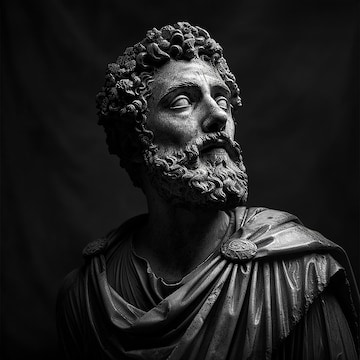
Marcus Aurelius
تاريخ الميلاد
April 26, 121
البرج
Taurus
مكان الميلاد
Rome
العمر
توفي عن عمر 58
نبذة
Marcus Aurelius was a Roman emperor and Stoic philosopher who ruled from 161 to 180 AD. He is the last of the Five Good Emperors and the final ruler of the Pax Romana, an era of relative peace. His personal writings, Meditations, are a cornerstone of Stoic philosophy, studied by leaders and thinkers worldwide. He served as Roman consul three times and commanded the empire through the Parthian War, the Marcomannic Wars, and the Antonine Plague. Today, his image endures as the philosopher-king, a symbol of duty, resilience, and introspection.
النشأة والخلفية
وُلد ماركوس أنيوس فيروس في روما لعائلة سيناتورية ثرية. توفي والده، وهو بريتور، عندما كان ماركوس في الثالثة من عمره، تاركًا إياه لتربيه والدته دوميتيا كالفيلا وجده لأبيه، وهو قنصل سابق. لاحظ الإمبراطور هادريان ذكاء الصبي ورتب له التعليم على أيدي أفضل المعلمين في ذلك الوقت. درس ماركوس البلاغة على يد هيرودس أتيكوس والأدب اللاتيني على يد ماركوس كورنيليوس فرونتو، وطور حبًا عميقًا للفلسفة، وخاصة الرواقية.
في عام 138 ميلادي، تبنى هادريان أنطونينوس بيوس كخليفة له بشرط أن يتبنى أنطونينوس كلاً من ماركوس ولوسيوس فيروس. دفع هذا التحرك ماركوس إلى خلافة الإمبراطورية. تزوج من ابنة أنطونينوس، فوستينا الصغرى، في عام 145 ميلادي، معززًا روابطه بالعائلة الحاكمة. قبل أن يصبح إمبراطورًا، شغل ماركوس مناصب سياسية صغيرة وخدم كقنصل ثلاث مرات، واكتسب خبرة في الحكم والقانون. كان معروفًا بطبيعته الدراسية وميله الفلسفي، وكثيرًا ما كان ينسحب للقراءة والكتابة وسط متطلبات الحياة البلاطية.
المسيرة المهنية
أصبح ماركوس أوريليوس إمبراطورًا في عام 161 ميلادي بعد وفاة أنطونينوس بيوس، وحكم في البداية بالاشتراك مع أخيه بالتبني لوسيوس فيروس. هيمنت الحرب البارثية (161-166 ميلادي) على السنوات الأولى من حكمه، والتي انتهت بانتصار روماني لكنها جلبت طاعون أنطونين، وهو وباء مدمر أودى بحياة الملايين عبر الإمبراطورية. من عام 166 ميلادي حتى وفاته، قاد ماركوس شخصيًا حملات ضد القبائل الجرمانية على طول حدود الدانوب في الحروب الماركومانية. على الرغم من الحرب المستمرة، وجد وقتًا لكتابة التأملات، وهي سلسلة من التأملات الخاصة حول الأخلاق الرواقية والواجب والفناء. كما واجه ضغوطًا اقتصادية، حيث خفض قيمة العملة الرومانية لتمويل حروبه. في عام 177 ميلادي، عين ابنه كومودوس كإمبراطور مشارك، وهو قرار تعرض لانتقادات لاحقًا. توفي ماركوس أثناء حملة عسكرية في عام 180 ميلادي في فيندوبونا، على الأرجح بسبب المرض.
الجدول الزمني للمسيرة
الصورة العامة والأسلوب
غالبًا ما يُصوَّر ماركوس أوريليوس على أنه الفيلسوف-الملك المثالي، الحاكم الحكيم والمخلص الذي جسد المبادئ الرواقية. تظهره التصويرات التاريخية بالأزياء الإمبراطورية أو الزي العسكري، بتعبير تأملي. كتاباته، التأملات، هي استبطانية وقول مأثور، تقدم إرشادات شخصية حول الفضيلة والمرونة. يتواصل معه الجمهور الحديث من خلال دوائر المساعدة الذاتية والقيادة، حيث تُشارك اقتباساته على نطاق واسع. ليس له اسم رسمي للمعجبين، لكن معجبيه يشملون مجتمعات فلسفية وتاريخية وريادية. استُخدمت صورته في الأفلام والوثائقيات والكتب، وغالبًا ما ترمز إلى السلطة الأخلاقية والقوة الداخلية.
الشهرة وجمهور المعجبين
Marcus Aurelius commands a global audience of readers, students, and practitioners who engage with his Stoic philosophy rather than a modern celebrity fanbase. His legacy is defined by the enduring relevance of his private journal, Meditations, which serves as a cornerstone for leadership studies and self-help circles worldwide. Unlike contemporary figures, he possesses no organized chapters, official fandom name, or fan-driven campaigns; his admirers are diffuse, engaging through academic study and the occasional sharing of aphorisms on social media platforms. The most significant recent activity involves the publication of new interpretations, such as the August 2026 edition of The Meditations that reinterprets the text using feminine pronouns, sparking discussion in literary and psychological fields. Historical accounts and archaeological findings, including the discovery of a rare Roman military camp in Slovakia in July 2026, provide tangible evidence of the harsh conditions he faced during his reign, further cementing his status as a historical icon rather than a pop culture figure. While modern debates occasionally reference his philosophy, his influence remains intellectual and cultural rather than commercial. Marcus Aurelius is currently evaluated by iFANN but does not hold a placement in the published Global Top 1,000 rankings. He is not ranked within any Top-100 scope list maintained by the organization.
حقائق مثيرة للاهتمام وأساطير
Marcus Aurelius wrote Meditations in Greek, not Latin, the language of Roman administration. Despite the immense pressures of his reign, he was known to be a devoted husband and father. His rule marked the definitive end of the Pax Romana, an era of unprecedented peace in the empire. He stood among the last Roman emperors to actively lead troops in battle, facing wars, plagues, and rebellions while maintaining philosophical composure. Though his personal involvement remains debated, he authorized actions against Christians despite his Stoic beliefs. A widely retold story frames him as the Philosopher King, a dual identity where he held absolute power yet wrote humble notes on remaining virtuous amidst chaos. This narrative is supported by verified history regarding the Marcomannic Wars and the Antonine Plague. In July 2026, archaeologists uncovered a rare military camp in Slovakia containing hastily buried remains of soldiers from his army, offering tangible proof of the hardships endured during his campaigns. These discoveries and his surviving writings continue to define his legacy as a symbol of duty and resilience.
اقتباسات بارزة
“Waste no more time arguing about what a good man should be. Be one.”
“The impediment to action advances action. What stands in the way becomes the way.”
“Everything we hear is an opinion, not a fact. Everything we see is a perspective, not the truth.”
“Very little is needed to make a happy life; it is all within yourself, in your way of thinking.”
العائلة والحياة الشخصية
تزوج ماركوس أوريليوس من فوستينا الصغرى، ابنة الإمبراطور أنطونينوس بيوس، في عام 145 ميلادي. كان اتحادهما تحالفًا سياسيًا وشراكة شخصية؛ رافقت فوستينا ماركوس في حملاته العسكرية. أنجبا ما لا يقل عن 13 طفلاً، لكن الكثيرين ماتوا صغارًا. من أبرز أطفاله كومودوس، خليفته والإمبراطور المثير للجدل؛ ولوسيلا، التي تآمرت لاحقًا ضد أخيها؛ وأنيوس فيروس قيصر، وهو توأم توفي في الطفولة. تأثر ماركوس بشدة بفقدان أطفاله وزوجته، التي توفيت في عام 176 ميلادي. ربته والدته وجده بعد وفاة والده المبكرة.
صلات بارزة
كان ماركوس أوريليوس مرتبطًا ارتباطًا وثيقًا بوالده بالتبني أنطونينوس بيوس، الذي أعدّه للخلافة. حكم جنبًا إلى جنب مع أخيه بالتبني لوسيوس فيروس. كانت زوجته، فوستينا الصغرى، شريكته وأم أطفاله. خلفه ابنه كومودوس لكنه يُذكر كحاكم أقل كفاءة. شمل معلموه الخطيب هيرودس أتيكوس والكاتب ماركوس كورنيليوس فرونتو.
العلاقات وتاريخ المواعدة
كانت علاقة ماركوس أوريليوس الرومانسية الموثقة الوحيدة مع فوستينا الصغرى، التي تزوجها في عام 145 ميلادي. رتبت العائلتان الزواج لتوحيد السلالة الإمبراطورية، لكن يبدو أنه كان شراكة حقيقية. رافقت فوستينا ماركوس في حملاته العسكرية وأنجبت له العديد من الأطفال، على الرغم من أن العديد منهم ماتوا في سن الرضاعة. توفيت في عام 176 ميلادي أثناء وجودها معه في حملة عسكرية. لا توجد سجلات موثوقة لعلاقات رومانسية أخرى. اعتبارًا من عام 2026، ماركوس أوريليوس متوفى.
- متزوجFaustina the Younger145 - 176تزوجت في تحالف سياسي؛ ورافقته في الحملات وأنجبت له العديد من الأطفال.
الوفاة وما بعدها
تُوفي
March 17, 180 (عن عمر 58 عامًا)
مكان الوفاة
Sirmium, Pannonia Inferior, Serbia
سبب الوفاة
Illness, possibly dropsy or plague complications
The Roman Senate deified Marcus Aurelius shortly after his passing, granting him the title Divus and erecting the Column of Marcus Aurelius in Rome to commemorate his military victories against Germanic tribes. This formal canonization marked the end of the Pax Romana era, transitioning the empire from an age of philosophical stability to one of uncertainty under his successor. The emperor's private reflections, titled Meditations, were published posthumously, likely by his son Commodus or the Senate, ensuring his Stoic teachings remained a foundational text for Western philosophy for nearly two millennia.
Marcus Aurelius died on March 17, 180 CE, at the age of 59 within the city of Sirmium in Pannonia Inferior, now modern-day Serbia. He spent his final days at his military headquarters while managing campaigns during the Marcomannic Wars, reportedly falling ill while still wearing his military cloak. Historical accounts attribute his death to natural causes, with the Historia Augusta suggesting dropsy or a stomach ailment potentially exacerbated by the Antonine Plague ravaging the empire. Contemporary historians Cassius Dio and later biographers established this cause based on imperial records and oral traditions rather than forensic examination.
His body was transported back to Rome for a state funeral attended by the Senate, the Imperial family, and legions, with his son Commodus presiding over the proceedings. Interred in the Mausoleum of Hadrian, the traditional burial site for the Nerva, Antonine dynasty, he left behind an estate and treasury inherited directly by Commodus without dispute regarding the inheritance itself. While the subsequent reign of Commodus faced historical criticism for mismanagement, the immediate political focus remained on the smooth succession of power.
الثروة (قيمة التركة)
كإمبراطور روماني، سيطر ماركوس أوريليوس على الموارد الهائلة للإمبراطورية الرومانية، بما في ذلك خزانتها وجيوشها وأقاليمها. كانت ثروته الشخصية مرتبطة بالأسرة الإمبراطورية، التي كانت تمتلك أراضٍ وعبيدًا وأصولًا واسعة. خلال حكمه، مول حملات عسكرية وجهود إغاثة خلال طاعون أنطونين، مما أجهد مالية الإمبراطورية. خفض قيمة الديناريوس لتغطية التكاليف. عند وفاته، انتقلت الخزانة الإمبراطورية إلى ابنه كومودوس. لا يوجد تقدير حديث للثروة لإمبراطور قديم؛ إرثه يُقاس بالتأثير الثقافي والفلسفي وليس بالقيمة النقدية.
الجوائز والتكريمات
View 4 records, honours and achievementsاشتهر بـ
Meditations
c. 170-180 · Author
Roman Emperor
161-180 · Emperor
كلمات مفتاحية
حقائق سريعة
- المهنة
- politician, philosopher, writer
- وُلد
- +0121-04-26
- مكان الميلاد
- Rome
- تُوفي
- +0180-03-17
- مكان الوفاة
- Vindobona
- الجنس
- ذكر
- الزوج/الزوجة
- Faustina the Younger
- البرج
- Taurus
التفاصيل الشخصية
- الاسم الكامل
- Marcus Annius Verus
- الزوج/الزوجة
- Faustina the Younger
- الأبناء
- Commodus, Lucilla, Annius Verus Caesar, Vibia Aurelia Sabina
الأسئلة الشائعة
من هو ماركوس أوريليوس؟
بماذا يشتهر ماركوس أوريليوس؟
متى عاش ماركوس أوريليوس؟
ما هي فلسفة ماركوس أوريليوس؟
ما هو كتاب التأملات لماركوس أوريليوس؟
انضم إلى المجتمع
معجب يناقشون