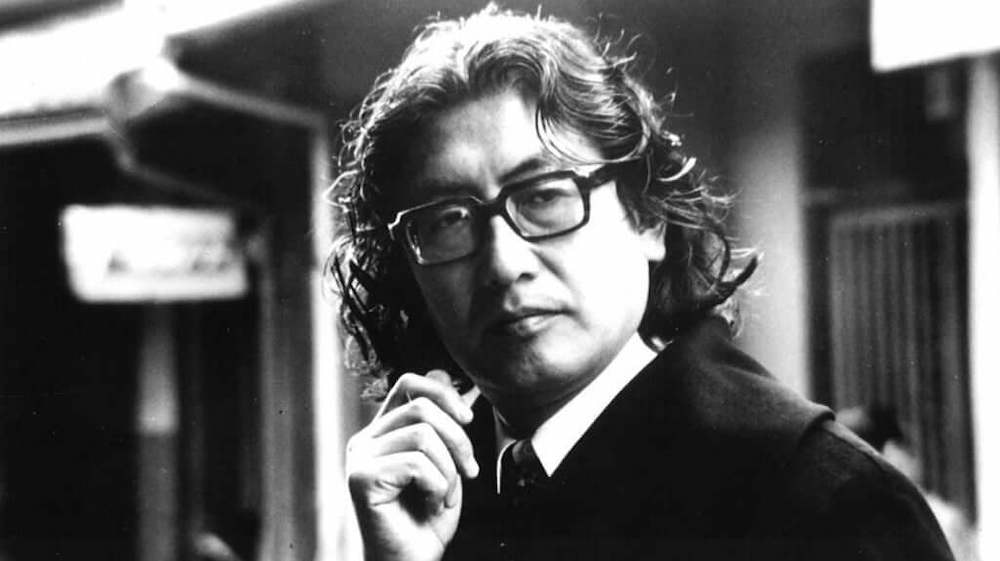
Nagisa Ōshima
 Japan
Japanfilm director•screenwriter•producer
تاريخ الميلاد
March 31, 1932
البرج
Aries
مكان الميلاد
Kyoto, Japan
العمر
توفي عن عمر 80
نبذة
كان ناغيسا أوشيما مخرجًا سينمائيًا وكاتب سيناريو ومنتجًا يابانيًا أخرج 23 فيلمًا روائيًا طويلاً بين عامي 1959 و1999. يُعرف بأنه شخصية محورية في الموجة الجديدة اليابانية، وهي حركة تحدت السينما التقليدية بقصص جريئة ومشحونة سياسيًا. غالبًا ما استكشف أوشيما في أعماله موضوعات محظورة، مثل تمرد الشباب والجنس وعقوبة الإعدام والتمييز الاجتماعي، بعين لا تتردد. من أشهر أفلامه 《في عالم الأحاسيس》(1976)، وهو دراما إباحية صريحة مبنية على قصة جريمة حقيقية، و《عيد ميلاد سعيد، سيد لورانس》(1983)، وهو دراما حرب من بطولة ديفيد باوي. فاز بالجائزة الكبرى في مهرجان كان عن فيلم 《إمبراطورية العاطفة》(1978)، ولا يزال يشكل تأثيرًا هائلاً على السينما العالمية. اليوم، تُدرس أفلامه لمخاطرتها الفنية وتأثيرها الثقافي، ولا تزال استعادات أعماله تجذب الجماهير.
النشأة والخلفية
وُلِد ناغيسا أوشيما في كيوتو عام 1932، وهو ابن موظف حكومي. توفي والده عندما كان أوشيما صغيرًا، وربته والدته في منزل صارم. التحق بجامعة طوكيو المرموقة، وتخرج عام 1954 بدرجة في الأدب الفرنسي. شكلت خلفيته الأكاديمية في الأدب والفلسفة منهجه الفكري في السينما. بعد الجامعة، انضم إلى استوديوهات شوتشيكو في عام 1954 كمساعد مخرج، وعمل تحت إشراف مخرجين مثل يوشيتارو نومورا. خلال هذه الفترة، استوعب حرفة نظام الاستوديو بينما كان يشعر بالقلق إزاء معاييره المحافظة. كتب سيناريوهات وأخرج أفلامًا قصيرة، لكن فيلمه الروائي الأول 《مدينة الحب والأمل》(1959) كان مشروعًا منخفض الميزانية أشار إلى انفصاله عن التقاليد. ركز ذلك الفيلم على التفاوت الطبقي وخيبة أمل الشباب، مما مهد الطريق لانطلاقته المتفجرة في الموجة الجديدة اليابانية.
المسيرة المهنية
جاء اختراق أوشيما في عام 1960 مع فيلم 《قصة قاسية للشباب》,وهو تصوير خام لتمرد المراهقين والجنس أصبح علامة فارقة في الموجة الجديدة اليابانية. تبعه بفيلم 《دفن الشمس》(1960)، وهي قصة مظلمة تدور أحداثها في أحياء أوساكا الفقيرة. أسست هذه الأفلام سمعته كمثير للجدل. في عام 1968، عُرض فيلم 《الإعدام شنقًا》,وهو نقد سريالي لعقوبة الإعدام والعنصرية ضد الكوريين، في مهرجان كان، مما جلب له اهتمامًا دوليًا. كان أكثر أعماله إثارة للجدل 《في عالم الأحاسيس》(1976)، وهو تصوير صريح للحب الوسواسي واجه معارك رقابية في جميع أنحاء العالم. أصبح قضية رمزية للحرية الفنية. فاز أوشيما بجائزة كان الكبرى عن فيلم 《إمبراطورية العاطفة》(1978)، وهي قصة أشباح متجذرة في الذنب والرغبة. في عام 1983، أخرج 《عيد ميلاد سعيد، سيد لورانس》، وهو فيلم باللغة الإنجليزية من بطولة ريويتشي ساكاموتو وديفيد باوي، وحقق نجاحًا عالميًا. كان فيلمه الأخير 《تابو》(1999) دراما ساموراي تستكشف التوتر المثلي. طوال مسيرته المهنية، دفع أوشيما باستمرار الحدود، وحصل على كل من الإشادة والشهرة.
الجدول الزمني للمسيرة
الصورة العامة والأسلوب
كان أوشيما يُنظر إليه على نطاق واسع باعتباره الطفل المشاغب للسينما اليابانية. رآه النقاد والجمهور كراديكالي استخدم الفيلم كسلاح ضد النفاق الاجتماعي. كانت شخصيته العامة مثقفًا استفزازيًا، بليغًا، مواجهًا، ولا يخاف من الفضيحة. غالبًا ما ركزت التغطية الإعلامية على معارك الرقابة حول 《في عالم الأحاسيس》، مما جعله بطلاً لحرية التعبير. بين عشاق السينما، يحظى بالإعجاب لجرأته الشكلية واستعداده لمعالجة الموضوعات المحظورة بجدية وفنية. لا يوجد اسم رسمي للمعجبين، لكن أعماله لها متابعون مخلصون في الأوساط الفنية والأكاديمية. أسلوبه، الذي يمزج الواقعية الوثائقية مع السريالية، واستخدام اللقطات الطويلة والثابتة، أثر على مخرجين مثل كوينتن تارانتينو وبارك تشان ووك.
الشهرة وجمهور المعجبين
Nagisa Ōshima never cultivated a traditional fanbase with a formal name, organized rituals, or dedicated campaigns. His legacy rests entirely within the sphere of film scholars, critics, and cinephiles who engage with his radical work through academic discourse rather than mass-market worship. Unlike modern pop icons whose followers fund billboards or chart pushes, Ōshima's audience treated his films as provocative political statements and artistic challenges to the Japanese establishment. He famously declared a hatred for the status quo of Japanese cinema, a stance that alienated casual viewers while cementing his reputation among those seeking intellectual confrontation. The iFANN Global Fame Engine evaluated this figure in August 2026 and determined that he does not currently hold a placement in the published rankings, including the Global Top 1,000 or any scope-specific top-100 lists. This absence of a numeric rank reflects his status as a historical avant-garde filmmaker rather than a contemporary celebrity with active global consumption signals. While his films like In the Realm of the Senses generated significant media coverage and censorship battles during their release, these events did not translate into sustained fandom metrics required for current ranking inclusion. The lack of a documented fandom name further distinguishes his cultural footprint from figures who maintain active communities today. His influence persists through retrospectives and the enduring study of his filmography, but he remains outside the dynamic, ranked ecosystem of living celebrities monitored by iFANN. The evaluation confirms that while his name carries weight in film history, it does not currently generate the volume of public interest necessary to secure a position on the global fame charts.
حقائق مثيرة للاهتمام وأساطير
Ōshima's film In the Realm of the Senses was based on the 1936 Sada Abe incident, a real murder case in Japan. The film was seized by customs in several countries and banned outright in Japan until a heavily censored version was allowed. He was a vocal critic of the Japanese emperor system and left-wing politics, which influenced many of his films. Ōshima once said he wanted to make films that were "like a bomb thrown into the audience." He directed only one English-language film, Merry Christmas, Mr. Lawrence, which featured a score by Ryuichi Sakamoto that became iconic. Despite his reputation for difficult subject matter, Ōshima was known personally as a gentle and soft-spoken man. He survived a stroke in 1995 but continued working until his final film in 1999. A central legend in film history surrounds his role in dismantling the conservative Japanese film industry, where he consistently exposed the contradictions of postwar society. His 1978 victory at the Festival de Cannes for Best Director solidified his international reputation and validated his radical approach on the world stage. Several of his films became legendary for their disruptive nature upon release, effectively acting as incidents that sparked national debate. Cruel Story of Youth is frequently cited as a defining work of the Blank Generation and a catalyst for youth rebellion. The definitive end to his life story occurred on January 15, 2013, marking him as a historical figure whose legends are now part of film history.
اقتباسات بارزة
“I am not interested in making films about the past. I am interested in making films about the present.”
“The world is a strange place, and cinema is a strange art. I try to reflect that strangeness.”
“A film should be like a bomb thrown into the audience.”
العائلة والحياة الشخصية
تزوج أوشيما من الممثلة أكيكو كوياما، التي ظهرت في العديد من أفلامه بما في ذلك 《الإعدام شنقًا》و《الصبي》. أنجب الزوجان طفلين، ابن وابنة. كان أوشيما معروفًا بأنه رجل عائلة خاص، حيث أبقى حياته المنزلية منفصلة عن شخصيته العامة. عاش في فوجيساوا، محافظة كاناغاوا، حتى وفاته في عام 2013. نجا منه زوجته أكيكو، وظل أطفاله بعيدين عن الأضواء إلى حد كبير.
صلات بارزة
تعاون أوشيما بشكل متكرر مع الممثل تاتسويا فوجي، الذي لعب دور البطولة في 《في عالم الأحاسيس》و《إمبراطورية العاطفة》. قام الملحن ريويتشي ساكاموتو بتأليف موسيقى فيلم 《عيد ميلاد سعيد، سيد لورانس》ومثل فيه أيضًا. ظهرت زوجة أوشيما، أكيكو كوياما، في العديد من أفلامه. كان معاصرًا ومنافسًا لشوهي إيمامورا، وهو مخرج آخر من الموجة الجديدة اليابانية.
العلاقات وتاريخ المواعدة
كان ناغيسا أوشيما متزوجًا من الممثلة أكيكو كوياما. التقى الزوجان أثناء إنتاج أفلامه المبكرة وتزوجا في أوائل الستينيات. أنجبا طفلين معًا وظلا متزوجين حتى وفاة أوشيما في عام 2013. لم يتم توثيق أي علاقات عامة أخرى. ظهرت كوياما في العديد من أفلامه، بما في ذلك الموت شنقًا و الصبي. كانت شراكتهما شخصية ومهنية، حيث دعمت كوياما مسيرته المهنية مع الحفاظ على عملها التمثيلي الخاص.
- متزوجAkiko Koyama1960 - 2013التقيا خلال مسيرة أوشيما السينمائية المبكرة؛ مثلت في العديد من أفلامه. أنجبا طفلين معًا.
الوفاة وما بعدها
تُوفي
January 15, 2013 (عن عمر 80 عامًا)
مكان الوفاة
غير معروف
سبب الوفاة
غير معروف
Nagisa Ōshima, the pioneering Japanese film director and a central figure of the Japanese New Wave, died on January 15, 2013. He was 80 years old at the time of his passing,. Consequently, there is no available information in these sources regarding a hospital statement, family announcement specifying the cause, coroner's ruling, autopsy findings, or an inquest to establish the manner of death. Furthermore, reports do not specify his last public appearance or events leading up to his death, leaving the nature of his final days unconfirmed in the provided text. In terms of public reaction, the search results indicate that Ōshima was widely recognized as one of Japan's most important filmmakers, often cited as the most significant after Akira Kurosawa.
He was celebrated for tackling taboos and politically charged subjects with stylistic flair and was a recipient of the Best Director Award at the Festival de Cannes in 1978. Tributes from institutions are implied by the continued screenings of his work, such as a series of eight films presented by Anthology Film Archives in July following his death, and retrospective programming by the Harvard Film Archive. However, the provided text does not list specific fan vigils, chart surges, moments of silence, memorial murals, or detailed statements from peers and officials immediately following his death.
Information concerning the funeral or memorial service, including its date, location, whether it was public or private, notable attendees, performances, and burial or cremation details, is absent from the provided search results. Posthumously, Ōshima's legacy continues through the preservation and re-screening of his filmography, including collections by The Criterion Collection and ongoing academic and archival interest,. The handling of his estate remains unreported in the provided text.
الثروة (قيمة التركة)
$10 Million
تقدير فريق تحرير iFANN
Per iFANN's editorial analysis, the estate of Nagisa Ōshima is valued at an estimated $10 Million as of 2026. His wealth accumulated primarily through his extensive film career, encompassing directing fees, screenwriting credits, and production earnings. Merry Christmas, Mr. Lawrence stood as his most commercially successful project, grossing over $10 million worldwide. Royalties derived from home video releases and streaming of his films, particularly In the Realm of the Senses, continue to generate income for his heirs. The estate is managed by his family, and occasional retrospectives and re-releases contribute to its overall value. Ōshima also earned revenue from teaching and writing, though these sources remained minor compared to his film revenues.
الجوائز الفائزة (4)
فاز أوشيما بالجائزة الكبرى في مهرجان كان السينمائي عن فيلم إمبراطورية العاطفة في عام 1978. كما حصل على ثلاث جوائز لأفضل مخرج من منظمات سينمائية يابانية، جوائز الشريط الأزرق، جوائز كينما جونبو، ومسابقة ماينيتشي السينمائية، جميعها عن نفس الفيلم. كان عمله يُرشح بشكل متكرر في كان ومهرجانات أخرى، لكن هذه الانتصارات الأربعة تمثل جوائزه التنافسية الكبرى.
1978 · أفضل فيلم
Empire of Passion
1979 · أفضل مخرج
Empire of Passion
اشتهر بـ
In the Realm of the Senses
1976 · Director, Screenwriter
Merry Christmas, Mr. Lawrence
1983 · Director, Screenwriter
Cruel Story of Youth
1960 · Director, Screenwriter
Death By Hanging
1968 · Director, Screenwriter
Empire of Passion
1978 · Director, Screenwriter
كلمات مفتاحية
حقائق سريعة
- المهنة
- film director, screenwriter, producer
- وُلد
- March 31, 1932
- مكان الميلاد
- Kyoto, Japan
- تُوفي
- January 15, 2013
- مكان الوفاة
- Fujisawa, Japan
- الجنس
- ذكر
- الزوج/الزوجة
- Akiko Koyama
- البرج
- Aries
- Education
- University of Tokyo
التفاصيل الشخصية
- الاسم الكامل
- Nagisa Ōshima
- الزوج/الزوجة
- Akiko Koyama
- التعليم
- University of Tokyo (French literature)
الأعمال السينمائية
23
الإجمالي
23
سينما
0
تلفزيون
الأسئلة الشائعة
كم كان عمر ناغيسا أوشيما عندما توفي؟
ما هو أشهر فيلم لناغيسا أوشيما؟
ما الجوائز التي فاز بها ناغيسا أوشيما؟
من كانت زوجة ناغيسا أوشيما؟
هل ناغيسا أوشيما لا يزال على قيد الحياة؟
انضم إلى المجتمع
معجب يناقشون