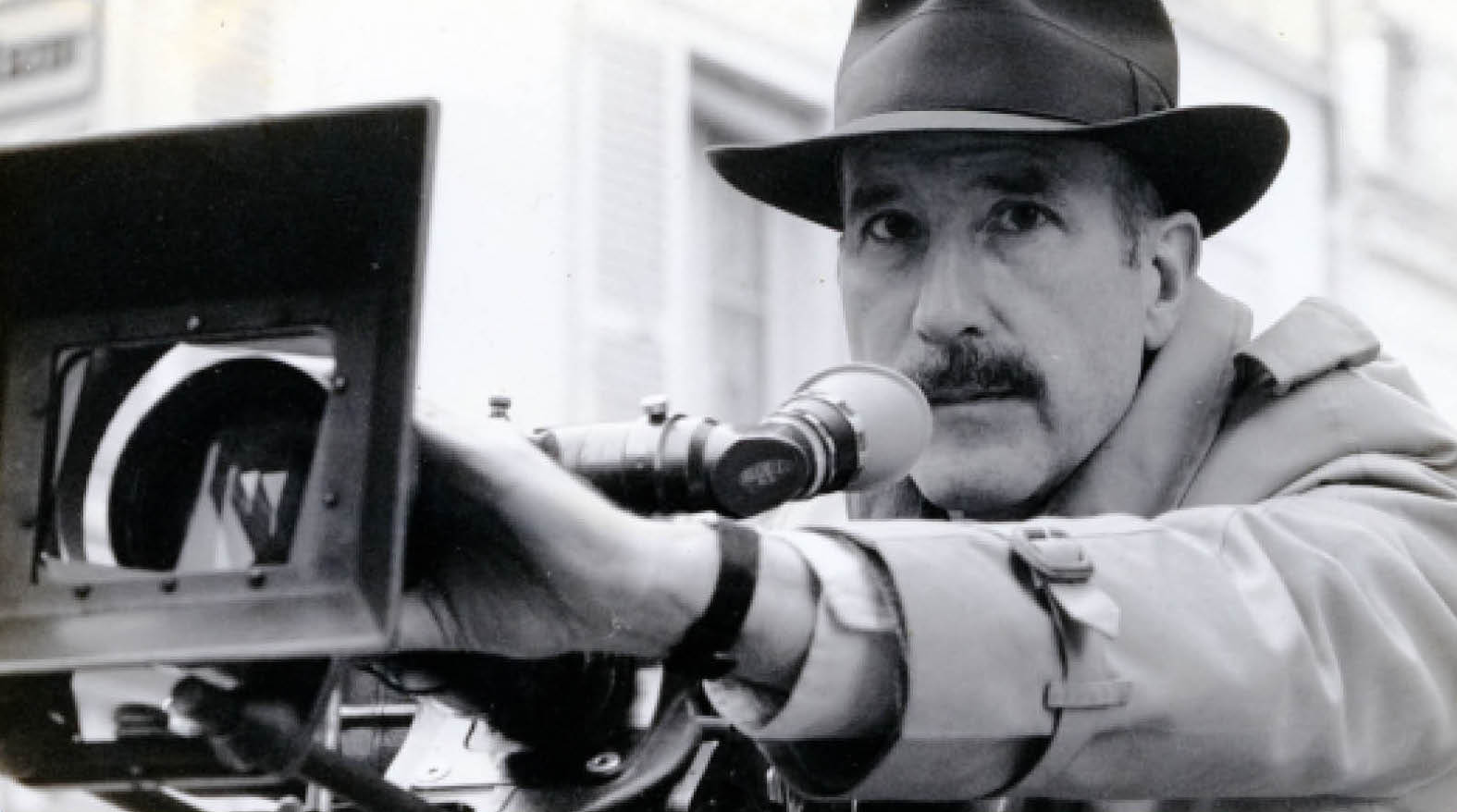
Néstor Almendros
 Spain
cinematographer•film director•actor
Also known as: Néstor Almendros Cuyás
تاريخ الميلاد
October 30, 1930
البرج
Scorpio
مكان الميلاد
Barcelona, Spain
العمر
توفي عن عمر 61
نبذة
نيستور ألمندروس كوياس كان مصور سينمائي إسباني أعاد تشكيل سينما أواخر القرن العشرين بإضاءته الطبيعية وأسلوبه البصري الصادق. ولد في برشلونة في 30 أكتوبر 1930، وهرب من إسبانيا خلال نظام فرانكو واستقر في النهاية في فرنسا، حيث أصبح شخصية رئيسية في الموجة الفرنسية الجديدة. على مدار مسيرة مهنية امتدت لأكثر من ثلاثين عامًا، صور أكثر من خمسين فيلمًا، وتعاون مع مخرجين مثل فرانسوا تروفو، وإريك روهمر، وروبرت بنتون. حصل على جائزة الأوسكار لأفضل تصوير سينمائي عن فيلم تيرينس ماليك Days of Heaven، وهو فيلم احتفي بتصويره المضيء بضوء الساعة الذهبية. توفي ألمندروس في 4 مارس 1992، في مدينة نيويورك، عن عمر يناهز 61 عامًا، تاركًا وراءه مجموعة أعمال لا تزال تلهم المصورين السينمائيين في جميع أنحاء العالم.
النشأة والخلفية
ولد ألمندروس في برشلونة بإسبانيا، لعائلة ذات قناعات قوية مناهضة لفرانكو. تم نفي والده، المتعاطف الجمهوري، بعد الحرب الأهلية الإسبانية، وفي سن 18، انتقل نيستور إلى كوبا للانضمام إليه. هناك، طور اهتمامًا مبكرًا بالتصوير الفوتوغرافي والأفلام، وصور أفلامه الهواة الأولى واستوعب الثقافة البصرية النابضة بالحياة في الجزيرة. انتقل لاحقًا إلى روما لدراسة صناعة الأفلام في Centro Sperimentale di Cinematografia، حيث تعلم الأسس التقنية للحرفة. شكلت فترة إقامته في كوبا وروما جمالياته، التي فضلت الضوء الطبيعي والأصالة الشبيهة بالوثائقيات. بحلول أواخر الخمسينيات، انتقل إلى فرنسا، حيث بدأ العمل كمساعد كاميرا وفي النهاية كمصور سينمائي في أفلام قصيرة، وربط نفسه بمخرجي الموجة الفرنسية الجديدة الناشئين الذين قدروا العفوية والواقعية.
المسيرة المهنية
جاءت انطلاقة ألمندروس من خلال تعاوناته مع إريك روهمر، بدءًا من La Boulangère de Monceau عام 1963 واستمرارًا لسلسلة القصص الأخلاقية. أظهر عمله في أفلام روهمر، مثل My Night at Maud's (1969) و Claire's Knee (1970)، قدرته على التقاط مشاهد حميمة وطبيعية بالضوء المتاح. ثم شارك مع فرانسوا تروفو في The Wild Child (1970) ولاحقًا في The Last Metro (1980)، من بين أفلام أخرى. نمت سمعته دوليًا، مما أدى إلى العمل مع تيرينس ماليك في Days of Heaven (1978)، الذي فاز عنه بجائزة الأوسكار لأفضل تصوير سينمائي. كما صور Kramer vs. Kramer (1979) و Sophie's Choice (1982)، مما يدل على براعته في السينما الأمريكية. على الرغم من تدهور بصره، استمر في العمل حتى وفاته، تاركًا إرثًا من الأفلام المميزة بصريًا.
الجدول الزمني للمسيرة
الصورة العامة والأسلوب
اعتُبر ألمندروس نقيًا في التصوير السينمائي، ودعم مظهرًا طبيعيًا كان يتناقض مع الإضاءة المبالغ فيها في ذلك العصر. احترمه زملاؤه والمتعاونون معه في تحضيره الدقيق وقدرته على العمل بسرعة بالضوء المتاح. كان يُنظر إليه على أنه فنان فكري، غالبًا ما يشير إلى الرسامين في تكويناته. يحظى معجبو أعماله، وخاصة طلاب السينما والمصورون السينمائيون الطموحون، بتبجيله كمعلم في رواية القصص المرئية. يتم الحفاظ على إرثه من خلال أفلامه، وكتابه، والعديد من المصورين السينمائيين الذين يذكرونه كمصدر إلهام.
الشهرة وجمهور المعجبين (iFAMOUS Rankings)
Néstor Almendros remains a towering figure in cinema history, revered not for celebrity antics but for his revolutionary approach to natural light. Despite his profound influence on the French New Wave and his Academy Award win for Days of Heaven, iFANN's Global Fame Engine has evaluated this person, but they do not currently hold a placement in the published rankings (Global Top 1,000 or a Top-100 scope list). This absence from global celebrity lists reflects his role as a craftsman rather than a front-facing icon; his fame is concentrated within academic circles, film schools, and among professional cinematographers who study his work as foundational text. There is no formal fandom name documented for Néstor Almendros, nor is there an organized fanbase that identifies itself by a specific moniker like 'Almendrosians'. The audience that keeps his legacy alive consists of historians, students, and industry peers who analyze his refusal to use artificial lighting as a masterclass in visual storytelling. While pop stars generate viral moments and fan clubs, Almendros' followers engage through scholarly preservation and the continued teaching of his techniques. His films remain staples in university curricula, and archives like the Criterion Collection ensure his work endures without the need for grassroots fan campaigns. The reverence he commands is quiet but deep, rooted in the story of him completing Days of Heaven while legally blind, a reflection of his dedication that resonates with anyone who understands the art of seeing.
حقائق مثيرة للاهتمام وأساطير
Néstor Almendros was known for his dislike of artificial lighting, often using only a single bounce card to shape sunlight. He wrote a book, A Man with a Camera, detailing his approach to cinematography. He was fluent in Spanish, French, and English, which eased his international career. He had a passion for painting, and his visual compositions were often inspired by artists like Vermeer and Hopper. He also directed two feature films, Gente de mar (1977) and Le fils d'Amr est mort (1975), though they are less known than his camera work. A central legend surrounding his career involves his work on Days of Heaven, where he insisted on filming despite severe vision loss caused by diabetes, completing the masterpiece while legally blind. Another enduring story highlights his mastery of available light, where he would wait hours for the perfect sun angle rather than setting up complex studio rigs, effectively changing how light was used in cinema. These tales are widely retold in film schools as verified historical facts about his technical genius.
اقتباسات بارزة
“I try to use natural light as much as possible, and to let the sun be my main source.”
“The camera is a tool, but the eye is the true artist.”
“I like to imagine how the light would fall in a room, and then I wait for the right moment.”
العائلة والحياة الشخصية
تم نفي والد ألمندروس، وهو جمهوري متشدد، إلى كوبا، مما دفع نيستور للانتقال إلى هناك في سن 18. أثر موقف عائلته المناهض لفرانكو بشدة على نظرته للعالم وقراره مغادرة إسبانيا. التفاصيل حول والدته وأشقائه نادرة، لكن علاقته بوالده كانت مهمة، حيث عاشا معًا في كوبا. لاحقًا، استقر ألمندروس في فرنسا وفي النهاية في نيويورك، لكنه لم يناقش علنًا وجود زوجة أو أطفال. ظلت حياته الخاصة بعيدة عن الأضواء إلى حد كبير، ولا توجد سجلات عن أسرته موثقة جيدًا.
صلات بارزة
العلاقات وتاريخ المواعدة
الوفاة وما بعدها
تُوفي
March 4, 1992 (عن عمر 61 عامًا)
مكان الوفاة
New York City
سبب الوفاة
AIDS-related complications
Néstor Almendros Cuyás died on March 4, 1992, in New York City at the age of 61. He had been suffering from complications related to AIDS for some time prior to his passing, a condition widely known within the film industry yet kept private during that era. His final days were marked by declining health, though he had managed to complete significant work on Terrence Malick's Days of Heaven while his vision was deteriorating due to the disease. The death was treated as a natural cause resulting from illness. Public reaction focused heavily on tributes from his peers and the cinematic community, who recognized him as one of the most highly appraised cinematographers of his generation.
Colleagues remembered his mastery of natural light and his collaborations with French New Wave directors like Eric Rohmer and François Truffaut, as well as his Academy Award win for Days of Heaven. While specific details regarding the date, location, or attendees of a funeral service remain absent from available records, his legacy has endured through various retrospectives and ongoing academic discussions about his lighting techniques. In the years following his death, Almendros has been honored through educational programs in film schools and publications like Film Comment and The Hollywood Reporter. A recent reconstruction of his formative film school experience in Rome indicates that academic interest in his life and career continues to grow.
الثروة (قيمة التركة)
$5 Million
تقدير فريق تحرير iFANN
As Néstor Almendros passed away in 1992, his net worth is estimated based on his estate and the ongoing royalties from his films. At the time of his death, he had earned a modest income from his cinematography work, with salaries ranging from $50,000 to $200,000 per film. His estate continues to receive residuals from his filmography, including popular titles like Days of Heaven and Kramer vs. Kramer . Per iFANN's editorial analysis, his estate is valued at approximately $5 million as of 2026. This figure accounts for the licensing of his work for streaming, home video, and educational use, as well as the posthumous publication of his book A Man with a Camera .
الجوائز الفائزة (6)
فاز ألمندروس بجائزة الأوسكار لأفضل تصوير سينمائي عن فيلم Days of Heaven عام 1978، وهو إنجاز تاريخي رسخ سمعته. كما حصل على جائزة الجمعية الوطنية لنقاد الأفلام لأفضل تصوير سينمائي عن نفس الفيلم. حصل عمله في فيلمي Kramer vs. Kramer و Sophie's Choice على ترشيحات لجائزة البافتا، على الرغم من أنه لم يفز. كما تم تكريمه بالجائزة الذهبية في مهرجان كاميريميج عام 1993، وهو تقدير بعد وفاته لمساهماته في التصوير السينمائي.
1978 · أفضل تصوير سينمائي
Days of Heaven
1978 · أفضل تصوير سينمائي
اشتهر بـ
Days of Heaven
1978 · مدير تصوير
My Night at Maud's
1969 · مدير تصوير
Kramer vs. Kramer
1979 · مدير تصوير
Sophie's Choice
1982 · مدير تصوير
The Wild Child
1970 · مدير تصوير
كلمات مفتاحية
المصادر
حقائق سريعة
- المهنة
- cinematographer, film director, actor
- وُلد
- October 30, 1930
- مكان الميلاد
- برشلونة، إسبانيا
- تُوفي
- March 4, 1992
- مكان الوفاة
- مدينة نيويورك، الولايات المتحدة الأمريكية
- الجنس
- ذكر
- البرج
- Scorpio
التفاصيل الشخصية
- الاسم الكامل
- Néstor Almendros Cuyás
الأعمال السينمائية
50
الإجمالي
45
سينما
5
تلفزيون
الأسئلة الشائعة
بمَ يشتهر نيستور ألمندروس؟
ما هو أشهر أفلام نيستور ألمندروس؟
أين ولد نيستور ألمندروس؟
هل فاز نيستور ألمندروس بجائزة الأوسكار؟
متى توفي نيستور ألمندروس؟
أشخاص مشابهون
انضم إلى المجتمع
معجب يناقشون