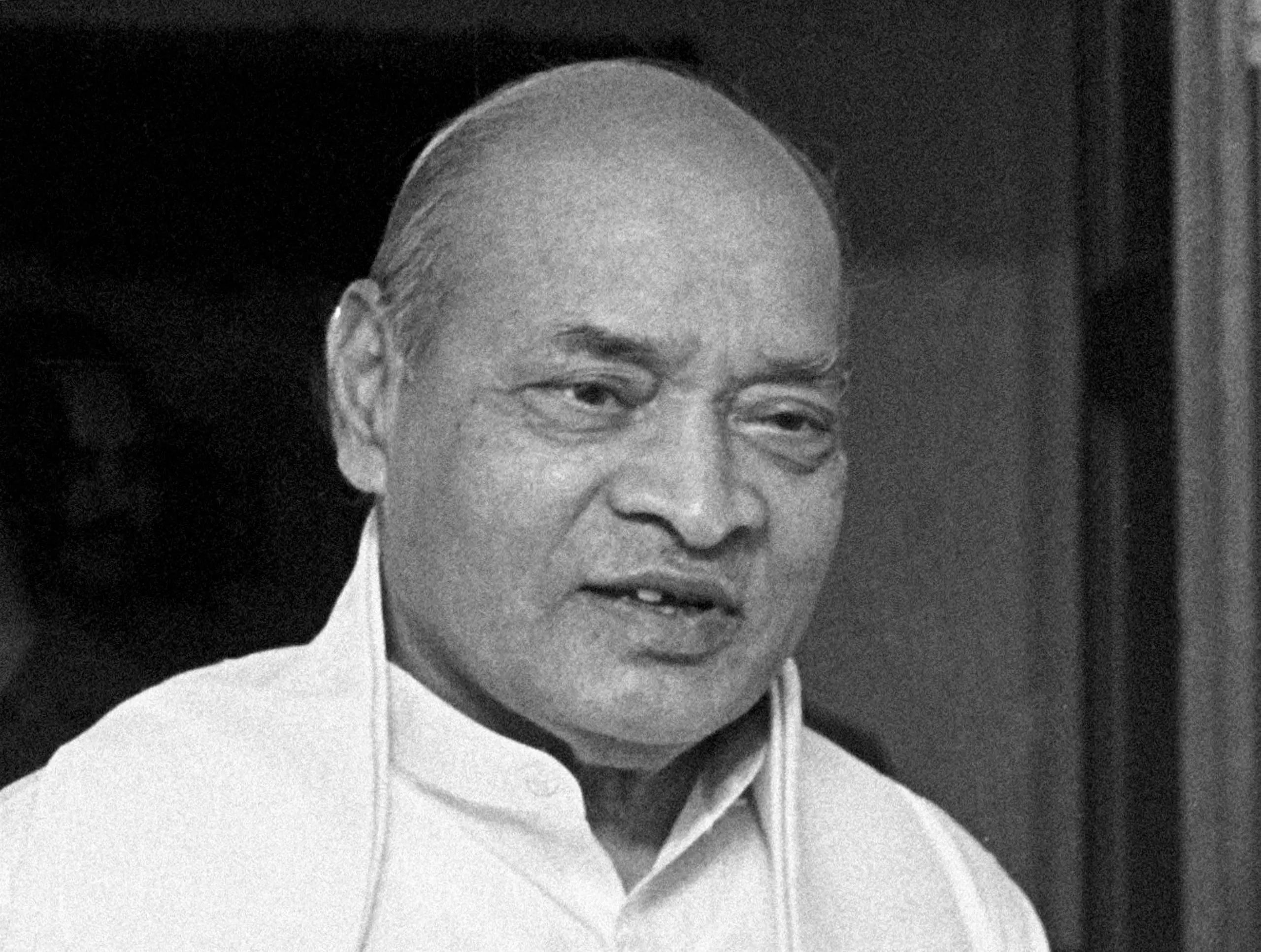
P. V. Narasimha Rao
 India
Indiapolitician•novelist•freedom fighter
Also known as: P. V. Narasimha Rao, Pamulaparthi Venkata Narasimha Rao, Chanakya
تاريخ الميلاد
June 28, 1921
البرج
Cancer
مكان الميلاد
Laknepalli, Warangal district, Hyderabad State (now Telangana), India
العمر
توفي عن عمر 83
نبذة
كان بامولابارثي فينكاتا ناراسيمها راو رئيس الوزراء التاسع للهند ومهندس الإصلاحات الاقتصادية عام 1991 التي أعادت تشكيل الأمة. كان سياسيًّا مثقفًا يجيد 13 لغة، وقاد حكومة كونغرس أقلية من 1991 إلى 1996، وأنقذ الهند من أزمة ميزان مدفوعات حادة بتفكيك نظام الترخيص وفتح الاقتصاد أمام الأسواق العالمية. تُنسب سياساته، التي نُفذت مع وزير المالية مانموهان سينغ، على نطاق واسع إلى تسريع مسار نمو الهند، واستمرت في كل إدارة لاحقة.
امتدت مسيرة راو السياسية خمسة عقود، شملت خدمته كرئيس وزراء ولاية أندرا براديش ووزيرًا اتحاديًا للدفاع والشؤون الداخلية والخارجية. عُرف بعمقه الفكري وفطنته السياسية، ومُنح بعد وفاته جائزة بهارات راتنا، أعلى وسام مدني هندي، في عام 2024. في عام 2025، كُشف النقاب عن صورته في راج بهافان، تيلانغانا، في ذكرى ميلاده.
النشأة والخلفية
وُلِد ناراسيمها راو في 28 يونيو 1921 في عائلة نيوغي براهمين في قرية لاكينيبيلي، نارسامبيت ماندال، منطقة وارانجال، فيما يُعرف الآن بتيلانغانا (التي كانت آنذاك جزءًا من ولاية حيدر أباد). لغته الأم كانت التيلوغو. أكمل جزءًا من تعليمه الابتدائي في قرية كاتكورو أثناء إقامته مع قريب له، جابيتا رادهاكيشين راو. بعد حصوله على بكالوريوس الآداب من جامعة عثمانية، درس القانون في كلية فيرجسون في بيون ثم في جامعة ناغبور، وحصل في النهاية على شهادة في القانون.
خلال سنوات دراسته، شارك في حركة فاندي ماتارام في حيدر أباد. في أربعينيات القرن العشرين، حرر الأسبوعية التيلوغوية كاكاتيا باتريكا مع ابن عم بعيد. كان ناشطًا في حركة الاستقلال والتقى المهاتما غاندي. بعد الاستقلال، دخل السياسة بدوام كامل كعضو في حزب المؤتمر، كما مارس المحاماة وعمل كمزارع.
المسيرة المهنية
جاء انطلاقة راو في عام 1971 عندما أصبح رئيس وزراء ولاية أندرا براديش، ونفذ إصلاحات الأراضي وعزز المشاركة السياسية للطبقات الدنيا. دعم إنديرا غاندي خلال انقسام المؤتمر عام 1969، وانحاز إلى فصيل المؤتمر (I). بعد أن تولى حقائب وزارية اتحادية رئيسية، أصبح رئيسًا للوزراء في 21 يونيو 1991، على رأس حكومة أقلية بـ244 مقعدًا. كان أول شخص من جنوب الهند وثاني شخص من خلفية غير ناطقة بالهندية يتولى المنصب.
في مواجهة أزمة اقتصادية حادة، أطلق راو تحريرًا تاريخيًا في عام 1991: تخفيض قيمة الروبية، خفض التعريفات الجمركية على الواردات، إلغاء الترخيص الصناعي، ودعوة الاستثمار الأجنبي. أنهت هذه الإصلاحات نظام الترخيص ووضعت الهند على مسار نمو مرتفع. شهدت ولايته أيضًا هدم بابري مسجد في عام 1992. بعد انتهاء ولايته في عام 1996، بقي عضوًا في البرلمان حتى وفاته في 23 ديسمبر 2004.
الجدول الزمني للمسيرة
الصورة العامة والأسلوب
كان راو يُلقب غالبًا بـ'تشاناكيا' لدهائه السياسي. زرع شخصية مثقفة متحفظة، معروفًا بعمقه الفكري وتصريحاته العامة المتزنة. تركز الصور الإعلامية على دوره كمهندس التحول الاقتصادي في الهند. كانت خطاباته وكتاباته فلسفية وعلمية. يُدرس على نطاق واسع كرجل دولة ومصلح، على الرغم من عدم وجود قاعدة جماهيرية رسمية. يُشار إليه أحيانًا باسم 'أبو الإصلاحات الاقتصادية الهندية'.
الشهرة وجمهور المعجبين
P. V. Narasimha Rao stands as a monumental figure in modern Indian history, yet his global footprint operates differently than that of the entertainment elite. As of August 2026, the iFANN Global Fame Engine has evaluated his standing and confirmed he currently holds no placement within the published Global Top 1,000 or any Top-100 scope list. This absence of a numerical rank reflects his unique status as a statesman rather than a pop culture commodity; his influence is measured in policy shifts and institutional reverence rather than viral metrics or chart positions. The world knows him for dismantling the License Raj and steering India through a severe economic crisis, achievements that anchor his legacy in political science textbooks rather than fan wikis. Unlike celebrities who command organized followings, Rao never cultivated a formal fanbase with a specific name or ritualistic engagement. His admirers are not a movement of individuals organizing tributes or launching charity drives in his honor. Instead, public homage flows through official channels where political leaders across party lines pay respects on anniversaries, and state infrastructure projects bear his name. While citizens benefit from the economic boom he engineered, there are no records of crowds disrupting streets or fan campaigns demanding his work be promoted. His fame remains rooted in the quiet power of his decisions, making him a revered architect whose legend is built on verified historical milestones like being the first non-Gandhi Prime Minister to complete a full term.
حقائق مثيرة للاهتمام وأساطير
P. V. Narasimha Rao was a polymath capable of speaking thirteen languages, including eight Indian tongues alongside English, French, Arabic, Spanish, German, Greek, Latin, and Persian. He penned novels and poems in Telugu and Hindi while working as an agriculturist and advocate before entering politics. His literary contributions included translating Viswanatha Satyanarayana's Telugu novel Veyi Padagalu into Hindi as SahasraPhan and adapting Hari Narayan Apte's Marathi Abala Jeevitam into Telugu. He also lectured at universities in the USA and West Germany under a pen name. Beyond his scholarly pursuits, Rao left behind legends of strategic brilliance and independent courage. He is widely remembered for issuing a stark warning on Independence Day 1995, stating that Pakistan was exporting terror and that Jammu and Kashmir was not merely an issue but a fundamental threat. This prophetic insight into regional security dynamics became a cornerstone of his political mythology. Another defining chapter of his life was his role as the principal architect of the 1991 economic reforms, which ended the License Raj and opened India to global markets. Historians cite this moment as the singular event that set the nation on a trajectory of high growth. He also holds the distinction of being the first Prime Minister outside the Nehru-Gandhi family to serve a full five-year term, symbolizing a shift away from dynastic dominance in Indian politics.
العائلة والحياة الشخصية
والدا راو البيولوجيان هما سيتاراما راو وروكما باي، من عائلتين نيوغي براهمين زراعيتين. في سن الثالثة، تبناه بامولابارثي رانغا راو وروكميناما وانتقل إلى قرية فانغارا في بهيماديفاربال ماندال، منطقة هانامكوندا الحالية، تيلانغانا. تزوج ساتياما راو، التي توفيت قبله. أنجبا ثلاثة أبناء وخمس بنات. خلفيته العائلية هي نيوغي براهمين زراعية.
صلات بارزة
العلاقات وتاريخ المواعدة
كانت لدى راو علاقة رومانسية واحدة معروفة: تزوج ساتياما راو في أربعينيات القرن العشرين. توفيت قبله، وكان أرملًا بحلول الوقت الذي أصبح فيه رئيسًا للوزراء في عام 1991. أنجبا ثلاثة أبناء وخمس بنات. لم يتزوج مرة أخرى بعد وفاتها.
- متزوجSatyamma Raoكانت زوجته وأم أبنائه الثمانية. وقد توفيت قبله.
الوفاة وما بعدها
تُوفي
December 23, 2004 (عن عمر 83 عامًا)
مكان الوفاة
Hyderabad, Andhra Pradesh
سبب الوفاة
أسباب طبيعية
P. V. Narasimha Rao, the 9th Prime Minister of India and a distinguished novelist, died on December 23, 2004, at his residence in Hyderabad, Andhra Pradesh (now Telangana). He was 83 years old at the time of his death. The cause of death was reported as natural causes resulting from a prolonged illness, specifically complications arising from age-related ailments. While specific medical details were not released in a formal coroner's report or autopsy publicly available in general records, the official statement came from his family and was corroborated by hospital staff present at his home, where he had been under care for several months prior to his passing. There are no disputed accounts regarding the circumstances of his death; he passed away peacefully in his sleep.
His final days were spent in relative seclusion at his Hyderabad home, following a period of declining health that limited his public appearances significantly in the years leading up to 2004. V. Narasimha Rao's death. The estate and affairs were handled privately by his family. Public reaction to his death was marked by widespread tributes from political peers, government institutions, and the general populace. Upon his death, the Government of India declared a day of national mourning. Former colleagues, including then-President A.P.J. Abdul Kalam and Prime Minister Manmohan Singh, issued statements praising his contributions to Indian democracy and economic reform. The Indian National Congress party organized memorial services across the country. Memorial murals dedicated to him exist in various parts of Hyderabad and Karimnagar, though these were often established or renovated posthumously rather than erected immediately upon his death.
His funeral was a private affair held on December 24, 2004, at his ancestral village of Laknepally in the Karimnagar district of Andhra Pradesh. The cremation rites were performed according to Hindu traditions. Notable attendees included senior leaders of the Congress party, former ministers, and members of his immediate family. The event was relatively low-key compared to state funerals, reflecting his wish for privacy, though it was attended by high-ranking officials who paid their respects before the cremation. In the posthumous era, numerous honors have been bestowed upon P. V. Narasimha Rao. In 2005, he was posthumously awarded the Padma Vibhushan, India's second-highest civilian award, for his contributions to the nation. Several educational institutions and scholarships have been named in his honor, including the P.V. Narasimha Rao Chair at various universities.
A major landmark in Hyderabad, the PV Narasimha Rao Expressway, was named after him to commemorate his role in transforming the city's infrastructure. Additionally, the Prime Ministers Museum and Library (PMML) has held special exhibitions featuring rare photographs and documents related to his life and tenure. His grandson, K. Chandrashekar Rao (who later became the Chief Minister of Telangana), has frequently spoken about his grandfather's legacy, and an exhibition was inaugurated by his grandson at the PM Sanghralaya in 2026. Regarding his estate, it was managed entirely by his family, though his literary works continue to be published and distributed by Penguin Random House India.
الثروة (قيمة التركة)
لا يوجد تقدير متاح للثروة العامة لـ P. V. ناراسيمها راو. بصفته سياسيًا وموظفًا حكوميًا محترفًا توفي في عام 2004، لم يُكشف عن قيمة تركته. لم يمتلك مؤسسات تجارية كبيرة أو مصادر دخل بعد الوفاة مثل صفقات الترخيص. من المحتمل أن تتكون تركته من ممتلكات شخصية وأصول عائلية، ربما تشمل إتاوات الكتب المتبقية من أعماله الأدبية.
الجوائز الفائزة (2)
مُنح راو جائزة بهارات راتنا (Bharat Ratna) بعد وفاته في عام 2024، وهي أعلى وسام مدني في الهند، تقديرًا لدوره في الإصلاحات الاقتصادية والخدمة العامة.
1980
65.90
2024 · مدني
Economic reforms and public service
اشتهر بـ
Prime Minister of India
1991 · 9th Prime Minister
Economic liberalization of 1991
1991 · Architect of reforms
Chief Minister of Andhra Pradesh
1971 · رئيس وزراء
كلمات مفتاحية
المصادر
حقائق سريعة
- المهنة
- politician, novelist, freedom fighter
- وُلد
- June 28, 1921
- مكان الميلاد
- Laknepalli, Warangal district
- تُوفي
- December 23, 2004
- مكان الوفاة
- Delhi
- الجنس
- ذكر
- البرج
- Cancer
- الزوج/الزوجة
- Satyamma Rao
- Children
- 3 sons, 5 daughters
التفاصيل الشخصية
- الاسم الكامل
- Pamulaparthi Venkata Narasimha Rao
- الزوج/الزوجة
- Satyamma Rao
- الأبناء
- Three sons and five daughters
- التعليم
- Bachelor of Arts from Osmania University; Master's degree in Law from Fergusson College (University of Bombay); law degree from Nagpur University
الأسئلة الشائعة
بماذا يُعرف بي. في. ناراسيمها راو؟
أبناء بي. في. ناراسيمها راو؟
عمر بي. في. ناراسيمها راو عند الوفاة؟
ثروة بي. في. ناراسيمها راو؟
طائفة بي. في. ناراسيمها راو؟
انضم إلى المجتمع
معجب يناقشون