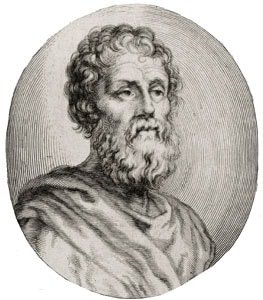
Phidias
تاريخ الميلاد
-0490-01-01
البرج
Capricorn
مكان الميلاد
Athens
العمر
توفي عن عمر 60
نبذة
فيدياس، المولود حوالي عام 490 قبل الميلاد في أثينا، كان أشهر نحات ورسام ومهندس معماري في اليونان القديمة. اشتهر بصنع تمثال زيوس في أولمبيا، أحد عجائب الدنيا السبع القديمة. هذا التمثال الضخم من الذهب والعاج لملك الآلهة الجالس على عرشه أصبح معيارًا لتمثيل الألوهية. على الأكروبوليس الأثيني، صمم فيدياس تمثالين رئيسيين لأثينا: أثينا بارثينوس، وهو تمثال ضخم من العاج والذهب يبلغ ارتفاعه 12 مترًا داخل البارثينون، وأثينا بروماكوس، وهو تمثال برونزي هائل كان قائمًا بين البارثينون والبروبيليا، وكان مرئيًا للسفن التي تبحر إلى بيرايوس. حدد عمله الأسلوب الكلاسيكي، ممزوجًا بين الأشكال البشرية المثالية والشعور بالهدوء المهيب.
النشأة والخلفية
كان فيدياس ابن شارميدس، مواطن أثيني. تدرب على النحت والرسم خلال الفترة الكلاسيكية المبكرة، ربما تحت إشراف النحات هيجياس أو الرسام بوليجنوتوس. أول تكليف كبير له جاء حوالي عام 456 قبل الميلاد: أثينا بروماكوس، تمثال برونزي لأثينا يبلغ ارتفاعه 9 أمتار تقريبًا، تم تمويله من غنائم معركة ماراثون. أسس هذا المشروع سمعته في التعامل مع الأعمال الضخمة وأظهر إتقانه لصب البرونز. وقف التمثال على الأكروبوليس كرمز للقوة العسكرية الأثينية وكان مرئيًا من البحر. كما أنشأ فيدياس ورشة عمل كبيرة على الأكروبوليس، درب جيلًا من الحرفيين واستعد للمشاريع الأكبر القادمة.
المسيرة المهنية
في عام 447 قبل الميلاد، عين بريكليس فيدياس مشرفًا عامًا على مشروع بناء البارثينون. صمم وأشرف على الزخرفة النحتية، بما في ذلك الأقواس والميتوبات والإفريز الأيوني الذي يبلغ طوله 160 مترًا. كانت القطعة المركزية هي أثينا بارثينوس، تمثال من العاج والذهب بارتفاع 12 مترًا تم تكريسه في عام 438 قبل الميلاد. كان ذهبه قابلاً للفصل، كإجراء احترازي ضد اتهامات السرقة. حوالي عام 435 قبل الميلاد، سافر فيدياس إلى أولمبيا لإنشاء تمثال زيوس، وهو شكل من العاج والذهب بارتفاع 13 مترًا أصبح أحد عجائب الدنيا السبع. اتهمه أعداؤه السياسيون بالاختلاس والكفر لنحته صورته الشخصية وصورة بريكليس على درع أثينا. على الرغم من تبرئته من السرقة، تم سجنه وتوفي في المنفى حوالي عام 430 قبل الميلاد.
الجدول الزمني للمسيرة
الصورة العامة والأسلوب
يتميز الأسلوب "الفيدياني" بالأشكال البشرية المثالية، والتعابير الهادئة، والستائر المعقدة، والشعور بالهدوء المهيب المعروف باسم إيثوس. أتقن الأسلوب الكلاسيكي الصارم. في وسائل الإعلام الحديثة، يُصوَّر فيدياس على أنه العبقري الفنان النموذجي الذي وقع ضحية للمؤامرات السياسية، ويظهر في الأفلام الوثائقية والروايات التاريخية. غالبًا ما يُطلق على المتحمسين له اسم مؤرخي الفن الكلاسيكي أو علماء فيدياس. يستضيف متحف الأكروبوليس محاضرات سنوية عن إرثه. الحسابات على وسائل التواصل الاجتماعي المخصصة له ذات نبرة أكاديمية، تركز على الاكتشافات الأثرية.
الشهرة وجمهور المعجبين
Phidias commands a global attention defined by academic reverence and historical legacy rather than contemporary celebrity metrics. While his works remain the bedrock of Western art history, iFANN has evaluated his current standing and determined that he holds no placement in the published Global Top 1,000 rankings or any Top-100 scope list as of August 2026. The status remains EVALUATED_UNRANKED, indicating that while his historical impact is undeniable, he does not currently generate the volume of modern search activity or media consumption required for a numerical ranking. Consequently, there is no documented fandom name associated with the ancient sculptor; his audience consists entirely of historians, archaeologists, and museum visitors rather than an organized fanbase with rituals or campaigns.
حقائق مثيرة للاهتمام وأساطير
Phidias was also a painter, though his sculpting achievements ultimately overshadowed this skill during a competition. To counter theft allegations, the gold plating on the Athena Parthenos was designed to be removable, a strategic decision attributed to Pericles. The statue famously held a six-foot-tall figure of Nike in its right hand. Excavations of Phidias's workshop in Olympia during the 1950s uncovered tools, terracotta molds, and fragments of ivory and glass, confirming the chryselephantine technique used in his masterpieces. A fifth-century BC drinking cup in the British Museum is thought to depict the artist at work. Plutarch records that Phidias portrayed himself as a bald, elderly man on the shield of Athena.
Historical lore often recounts the dramatic fall of the artist, who faced accusations of embezzling gold intended for the Athena statue and impiety for carving portraits of himself and Pericles into her shield. This narrative of political intrigue led to his imprisonment and eventual death, cementing his image as a tragic genius. Another enduring story involves the massive scale of his workshop, where he trained numerous pupils, suggesting that many surviving works attributed to him were actually executed by his team under his direction.
اقتباسات بارزة
“The gods themselves would have chosen Phidias to carve them. – Pericles, as recorded by Plutarch”
“The beauty of the statue of Zeus adds something to the traditional conception of the god. – Dio Chrysostom”
“Phidias, the son of Charmides, the Athenian, made me. – Inscription on the base of the Athena Parthenos, cited by Pausanias”
العائلة والحياة الشخصية
كان فيدياس ابن شارميدس، مواطن أثيني. كان له ابن يُدعى فيدياس الأصغر، الذي أصبح أيضًا نحاتًا. لم يتم تسجيل أي أفراد آخرين من العائلة في المصادر القديمة.
صلات بارزة
كان فيدياس مقربًا من رجل الدولة الأثيني بريكليس، الذي كان راعيه وحليفه السياسي. تعاون مع المهندسين المعماريين إيكتينوس وكاليكراتس في البارثينون. ابنه، فيدياس الأصغر، أصبح أيضًا نحاتًا. ربما كان الرسام بوليجنوتوس معلمه أو معاصره.
العلاقات وتاريخ المواعدة
لا تقدم المصادر القديمة أي سجل عن علاقات فيدياس الرومانسية أو زيجاته. لم تكن حياته الشخصية موضوع اهتمام لكتاب مثل بلوتارخ أو بوسانياس. العلاقة الشخصية الوحيدة المعروفة هي صداقته وتحالفه السياسي مع بريكليس، والتي كانت مهنية بحتة. اعتبارًا من عام 2026، هو متوفى وليس له علاقات معروفة.
الوفاة وما بعدها
تُوفي
-0430-01-01 (عن عمر 60 عامًا)
مكان الوفاة
غير معروف
سبب الوفاة
غير معروف
The final days of the sculptor Phidias remain obscured by the silence of ancient records, with no contemporary documentation preserving his last public appearance or specific location of death. Historical tradition, primarily derived from Plutarch's Life of Pericles, suggests he fell into political disfavor and was imprisoned in Athens on charges of embezzlement regarding the gold for the Statue of Zeus at Olympia. While some accounts allege he died within these prison walls awaiting trial, other narratives propose he fled to Elis to complete his masterpiece before passing away there around 430 BCE. The circumstances of his end are thus limited to literary traditions rather than verified historical fact, leaving the exact nature of his demise as an unresolved matter of antiquity.
In the centuries following his passing, the immediate reaction was a complex mixture of reverence for his artistic output and the lingering shadow of the political accusations that ended his career. Modern scholarship often refers to him as a fugitive ghost, emphasizing the lack of biographical data surrounding his exit from history. Posthumously, his reputation has been restored through the enduring preservation of his works, including the Parthenon sculptures and the legendary Statue of Zeus, which secured his place among the greatest artists of antiquity.
الثروة (قيمة التركة)
$0
تقدير فريق تحرير iFANN
Phidias passed away around 430 BC, leaving behind a legacy that spans millennia but no financial estate. Research by the iFANN Editorial Team puts his net worth at $0. There are no credible modern sources estimating personal wealth, as no assets, royalties, or intellectual property survive from antiquity. His workshop and tools were lost to time, resulting in zero estate management, posthumous revenue, or licensing income in any modern financial sense.
الجوائز والتكريمات
View 8 records, honours and achievementsاشتهر بـ
Statue of Zeus at Olympia
c. 435 BC · Sculptor
Athena Parthenos
c. 438 BC · Sculptor
Athena Promachos
c. 456 BC · Sculptor
Parthenon sculptures
c. 447–432 BC · Overseer and designer
كلمات مفتاحية
حقائق سريعة
- المهنة
- sculptor, architect, painter
- وُلد
- -0490-01-01
- مكان الميلاد
- Athens
- تُوفي
- -0430-01-01
- مكان الوفاة
- Classical Athens
- الجنس
- ذكر
- البرج
- Capricorn
الأسئلة الشائعة
كم كان ارتفاع تمثال زيوس في أولمبيا؟
لماذا نُفي فيدياس؟
هل لدى فيدياس أي أعمال باقية؟
ما هو النحت الكريسيلفانتيني؟
أين دفن فيدياس؟
أشخاص مشابهون
انضم إلى المجتمع
معجب يناقشون