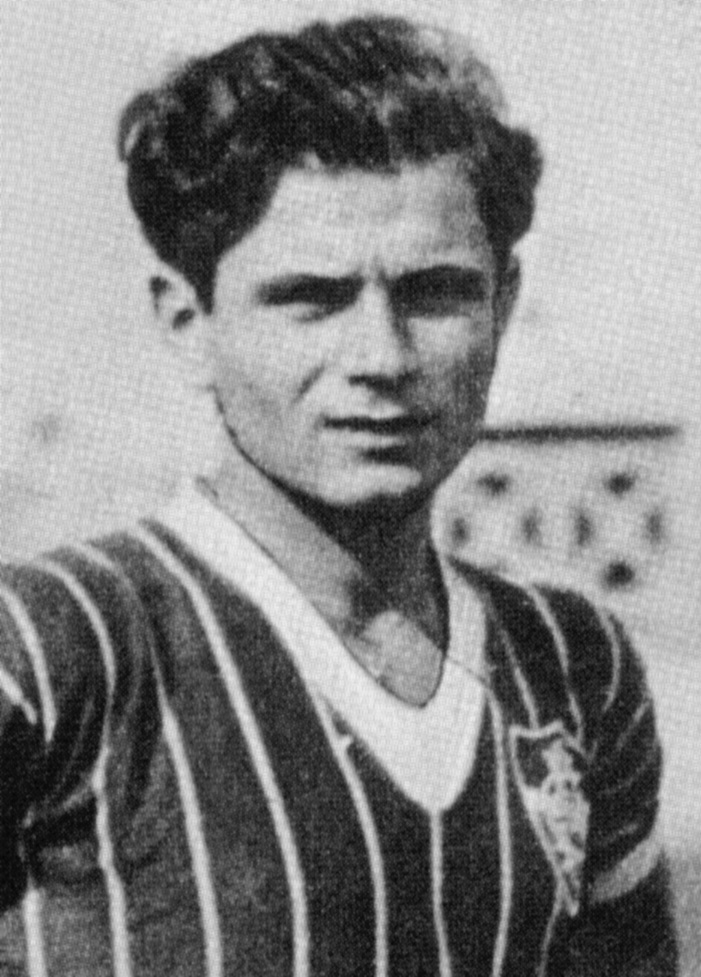
Preguinho
 Germany
association football player•volleyball player•beach volleyball player
Also known as: João Coelho Neto
تاريخ الميلاد
February 8, 1905
البرج
Aquarius
مكان الميلاد
Rio de Janeiro, Brazil
العمر
توفي عن عمر 74
الطول
5 ft 9½ in (1.76 m)
نبذة
Preguinho, born João Coelho Neto, was a Brazilian footballer remembered as the first captain and first goal scorer for Brazil at a FIFA World Cup. Playing his entire senior career for Fluminense, he scored 184 goals across all competitions and helped the club win multiple trophies. His versatility extended beyond football: he competed in at least ten sports, including volleyball and swimming. Preguinho remains a symbol of early Brazilian football and a one-club legend, honored with a statue by Fluminense.
النشأة والخلفية
والد بريغينيو، الكاتب كويلو نيتو، سجل ابنه الذي لم يولد بعد كعضو في فلومينينسي بينما كانت والدته لا تزال حاملاً. نشأ في ريو دي جانيرو، وانغمس في كل من الأدب والرياضة. جاء لقبه من حادثة طفولة: في سن الخامسة، ألقاه والده في حوض السباحة، فغرق مثل المسمار (بريغو). على الرغم من ذلك، أصبح سباحًا ممتازًا وتنافس في رياضات متعددة قبل التركيز على كرة القدم. ظهر لأول مرة مع الفريق الأول لفلومينينسي في عام 1925.
المسيرة المهنية
لعب بريغينيو لفلومينينسي من 1925 إلى 1938، وشارك في 174 مباراة بالدوري وسجل 129 هدفًا في الدوري. قاد البرازيل في أول كأس عالم لكرة القدم عام 1930 في أوروغواي. في مباراة البرازيل الأولى ضد يوغوسلافيا في 14 يوليو 1930، سجل أول هدف للبرازيل في كأس العالم. أضاف هدفين آخرين في الفوز 4-0 على بوليفيا. ضعفت تشكيلة البرازيل بسبب خلاف بين اتحادي ريو وساو باولو، لكن بريغينيو قاد الفريق بامتياز. اعتزل في عام 1938 بعد مسيرة استمرت 14 عامًا مع فلومينينسي.
الجدول الزمني للمسيرة
الصورة العامة والأسلوب
يُذكر بريغينيو كشخصية رائدة في تاريخ كرة القدم البرازيلية، ويُحتفى به لولائه لفلومينينسي ودوره في حملة البرازيل الأولى في كأس العالم. تنوعه كرياضي في عشر رياضات يضيف إلى أسطورته. يعتبره المشجعون والمؤرخون رمزًا للعصر الرومانسي لكرة القدم البرازيلية. تم تكريمه بتمثال في فلومينينسي ولا يزال يظهر في استعراضات الفيفا التاريخية. لا يوجد اسم رسمي موثق للجماهير.
الشهرة وجمهور المعجبين (iFAMOUS Rankings)
The statue at Fluminense stands as a silent reflection of a man who once carried the weight of a nation's first World Cup dream. Preguinho remains an icon of early Brazilian football, yet in the vast machinery of modern fame metrics, he currently holds no placement in the published Global Top 1,000 or any Top-100 scope list. The iFANN Global Fame Engine evaluated his standing in August 2026 and determined that while his historical footprint is massive, he does not currently register a specific numeric rank among the world's most famous living or recently deceased figures. This absence reflects the nature of his legacy: preserved in institutional reverence rather than active, algorithmic consumption signals worldwide. There is no formal name for his fanbase, nor are there organized campaigns or digital rituals driving his visibility today. His audience exists primarily through the lens of historians and club loyalists who remember the ten-sport athlete who scored Brazil's opening goal in 1930. While the global stage moves on to new stars, Preguinho's story persists in the quiet corners of sports history, honored by Fluminense but lacking the structured fandom found with contemporary celebrities. He is a figure of the past, remembered for his loyalty and versatility, but his name does not currently appear in the rankings that track current global attention.
حقائق مثيرة للاهتمام وأساطير
Preguinho was registered as a Fluminense member before he was even born, a detail that underscores his deep roots in the club. His father, Coelho Neto, coined Rio de Janeiro's nickname "A Cidade Maravilhosa." During the 1930 World Cup, Brazil's team carried a Uruguayan flag in their opening match to win crowd support, a strategic move during the tournament where Preguinho scored four goals in three appearances. A television documentary about his life was produced by Carlos Niemeyer for Canal 100. Beyond football, he competed in at least ten sports, including beach volleyball, winning championships in eight of them. One legendary moment from his career occurred on July 20, 1930, when he scored the first goal of the game for Brazil against Bolivia, a victory that ended 4-0 and marked the first time a Brazilian player scored in a World Cup tournament. This event serves as the primary story told to newcomers about his legendary status. Historical interviews from 1977 detail his deep connection to the club's origins, reinforcing his role as a guardian of the club's history.
اقتباسات بارزة
“I loved Fluminense for as long as I can remember. I couldn't speak properly and Fluminense was in my soul, my heart and my body.”
العائلة والحياة الشخصية
صلات بارزة
العلاقات وتاريخ المواعدة
السجلات العامة حول علاقات بريغينيو العاطفية نادرة. كان متزوجًا ولديه أطفال، على الرغم من أن اسم زوجته وتواريخ الزواج غير موثقة على نطاق واسع. تُوفي في 1 أكتوبر 1979 في ريو دي جانيرو. اعتبارًا من عام 2026، هو متوفى؛ كانت حالته الزواجية عند الوفاة متزوجًا.
- متزوجكان بريغينيو متزوجًا ولديه أطفال، لكن التفاصيل غير موثقة علنًا.
الوفاة وما بعدها
تُوفي
October 1, 1979 (عن عمر 74 عامًا)
مكان الوفاة
Rio de Janeiro, Brazil
سبب الوفاة
غير معروف
Fluminense Football Club honored the man who scored Brazil's first World Cup goal, cementing his status as an eighth all-time top scorer and one of its greatest idols long after the final whistle. Tributes emerged retrospectively in documentaries celebrating the legacy of João Coelho Neto, known universally as Preguinho, rather than through immediate fan vigils or chart surges that the limited media infrastructure of 1979 could not support. The athlete passed away on October 1, 1979, in Rio de Janeiro at the age of 74, marking the end of a life lived entirely within the city where he played his entire senior career for Fluminense.
His final public appearance occurred two years prior during a historic interview at the club's Laranjeiras stadium, where he discussed the institution's history before vanishing from the public eye until his death. Funeral details, including the burial site and notable attendees, were never made public, and no official program or eulogy text has been released to the general public. Posthumously, he remains celebrated for competing successfully in eight different sports modalities, earning him the title of "the greatest athlete in the world" in certain historical accounts.
الثروة (قيمة التركة)
الجوائز الفائزة (1)
مسيرة بريغينيو تسبق جوائز كرة القدم الحديثة. لقد فاز ببطولة Torneio Início وستة ألقاب إضافية مع فلومينينسي. الجوائز الفردية مثل الكرة الذهبية لم تكن موجودة في عصره.
00النادي
Fluminense
اشتهر بـ
First Brazilian to score in a FIFA World Cup
1930 · مهاجم
Captain of Brazil at 1930 World Cup
1930 · قائد الفريق
One-club career with Fluminense
1925–1938 · مهاجم
كلمات مفتاحية
المصادر
حقائق سريعة
- المهنة
- association football player, volleyball player, beach volleyball player
- وُلد
- +1905-02-08
- مكان الميلاد
- ريو دي جانيرو
- تُوفي
- +1979-10-01
- مكان الوفاة
- ريو دي جانيرو
- الجنس
- ذكر
- البرج
- Aquarius
التفاصيل الشخصية
- الاسم الكامل
- João Coelho Neto
- الطول
- 5 ft 9½ in (1.76 m)
- التعليم
- Local schools in Rio de Janeiro
الأسئلة الشائعة
كيف حصل بريغينيو على لقبه؟
هل كان بريغينيو أول برازيلي يسجل في كأس العالم؟
كم عدد الأهداف التي سجلها بريغينيو مع البرازيل؟
في أي مركز لعب بريغينيو؟
كم عدد الرياضات التي مارسها بريغينيو؟
انضم إلى المجتمع
معجب يناقشون