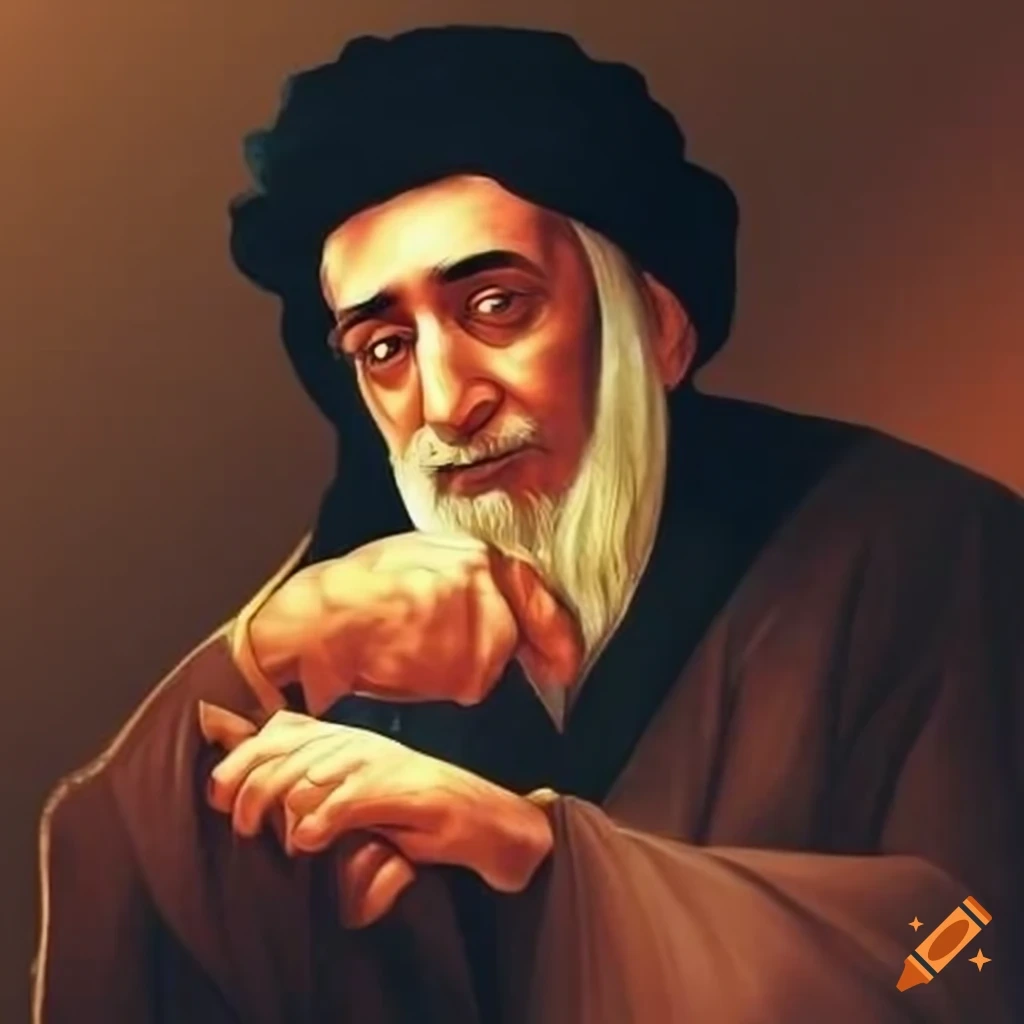
Saadi
Also known as: Abu Mohammad Moshrefoldin Mosleh ebn Abdollah ebn Mosharraf, Master of Speech, Wordsmith
تاريخ الميلاد
1210
البرج
Capricorn
مكان الميلاد
Shiraz, Persia
العمر
توفي عن عمر 81
نبذة
أبو محمد مشرف الدين مصلح بن عبد الله بن مشرف، المعروف عالميًا باسم سعدي، هو شاعر وكاتب فارسي من القرن الثالث عشر. ولد في شيراز حوالي عام 1210، ويحتفى به لنثره الأنيق وشعره العميق أخلاقيًا. اسم قلمه مشتق من سعد بن زنكي، أمير محلي خدمه في بداية مسيرته المهنية. يربط عمل سعدي بين التصوف الروحي والأخلاق العملية، مما أكسبه لقب "أستاذ الكلام" أو "صانع الكلمات" (استاد سخن).
تحفتان سعدي العظيمتان، البستان (حديقة الفاكهة) وكلستان (حديقة الورد)، شكّلتا الأدب الفارسي لقرون. البستان، وهو استكشاف شعري للفضيلة، تم تسميته ضمن أعظم 100 كتاب في كل العصور من قبل الغارديان. تُقتبس أبياته في المحادثات اليومية، وقد تمت ترجمة أقواله عن العدالة والتواضع والرحمة إلى لغات عديدة. من بين معجبيه الغربيين رالف والدو إمرسون ويوهان فولفغانغ فون غوته.
توفي سعدي في شيراز عام 1291 أو 1292. يبقى قبره موقعًا للحج، ويواصل إرثه إلهام القراء والكتاب على حد سواء.
النشأة والخلفية
ولد سعدي في شيراز، بلاد فارس، حوالي عام 1210، خلال فترة اضطرابات سياسية أعقبت الغزوات المغولية. درس القانون والتاريخ في شبابه، مما وضع الأساس لحياة علمية. اسم قلمه، سعدي، يأتي من سعد بن زنكي، أمير محلي خدمه في بداية مسيرته المهنية، وهي ممارسة شائعة بين شعراء العصر.
في العشرينات من عمره، غادر سعدي شيراز للسفر على نطاق واسع عبر العالم الإسلامي، من الهند إلى الأناضول. عاش كدرويش متجول، يراقب الطبيعة البشرية في الأسواق والمحاكم والقوافل. وفرت هذه التجارب نسيجًا غنيًا من القصص والرؤى التي ستملأ أعماله لاحقًا. أمضى سنوات في بغداد، حيث درس في جامعة النظامية، وسافر إلى أماكن بعيدة مثل سوريا ومصر.
لم تكن رحلاته أكاديمية بحتة؛ بل كانت تشكيلية. التقى بأشخاص من جميع مناحي الحياة، من المتسولين إلى الملوك، واستوعب التنوع الثقافي والروحي للمنطقة. هذه الفترة من التجوال، التي استمرت حوالي ثلاثين عامًا، شكلت نظرته للعالم وأعطت كتاباته جاذبية عالمية تتجاوز الزمان والمكان.
المسيرة المهنية
بلغت مسيرة سعدي ذروتها بتأليف تحفتيه. البستان (حديقة الفاكهة)، الذي اكتمل عام 1257، هو عمل شعري للتأملات الأخلاقية والفلسفية. كلستان (حديقة الورد)، الذي كتب عام 1258، هو مجموعة نثرية من القصص والأمثال. تعتبر هذه الأعمال أعظم مساهماته في الأدب الفارسي وتمت ترجمتها إلى لغات عديدة.
امتد تأثيره إلى ما وراء بلاد فارس؛ كان أول شاعر إيراني تُترجم أعماله إلى اللغات الأوروبية. تمت ترجمة أجزاء من كلستان إلى الفرنسية بواسطة أندريه دو ريير عام 1634، مما قدم سعدي للجمهور الغربي. لاقت أقواله عن العدالة والتواضع والرحمة صدى لدى مفكرين مثل رالف والدو إمرسون ويوهان فولفغانغ فون غوته، الذين أعجبوا بحكمته.
يتميز إرث سعدي أيضًا بأهميته المستمرة. تم تسمية البستان ضمن أعظم 100 كتاب في كل العصور من قبل الغارديان. قبره في شيراز يجذب الحجاج والسياح، وتظل أبياته دليلًا للعيش الأخلاقي. يستمر عمل سعدي في الدراسة والاقتباس، مما يرسخ مكانته كواحد من أعظم شعراء بلاد فارس.
الجدول الزمني للمسيرة
الصورة العامة والأسلوب
يُحتفى بسعدي كواعظ أخلاقي وسيد البلاغة. صورته العامة هي صورة حكيم حكيم تقدم كلماته إرشادًا خالدًا. غالبًا ما يُطلق عليه "أستاذ الكلام" أو "صانع الكلمات" (استاد سخن)، مما يعكس مهارته التي لا مثيل لها في صياغة النثر والشعر الذي يمزج بين الجمال والحكمة.
تُقتبس أبياته في المحادثات اليومية في جميع أنحاء العالم الفارسي، من الخطب السياسية إلى الأحاديث العادية. كلستان والبستان هما من الأعمال الأساسية في الأدب الفارسي، وتُدرّسان في المدارس وتُلقيان في التجمعات. لأقوال سعدي عن العدالة والتواضع والرحمة جاذبية عالمية تتجاوز الحدود الثقافية.
قبره في شيراز هو معلم ثقافي، يزوره الشعراء والعلماء والسياح على حد سواء. صورة سعدي هي صورة إنساني، مسافر راقب الإنسانية بكل تعقيداتها واستخلص رؤاه في أبيات أنيقة. يظل رمزًا للهوية الثقافية الفارسية ومصدر إلهام للكتاب والمفكرين في جميع أنحاء العالم.
الشهرة وجمهور المعجبين (iFAMOUS Rankings)
Saadi Shirazi commands a global audience spanning centuries, yet his standing in contemporary metrics reflects the unique nature of a medieval literary figure rather than modern celebrity. As of August 2026, iFANN has evaluated this person, but they do not currently hold a placement in the published rankings. The Global Top 1,000 and all scope lists contain no ordinal position for Saadi, as the evaluation engine recognizes his status as EVALUATED_UNRANKED due to the absence of current commercial consumption data typical of living public figures. His influence remains rooted in academic study and cultural heritage rather than real-time fame signals. Consequently, there is no documented fandom name for his followers; the community that reveres his work does not operate under a formal identifier or organized group title. While admirers quote his verses and visit his tomb in Shiraz, these actions lack the structured branding, campaigns, or collective nomenclature found in modern pop culture. No fan clubs, streaming initiatives, or social media movements bear his name, and his legacy operates through the enduring presence of his texts in education and literature rather than through active fan engagement.
حقائق مثيرة للاهتمام وأساطير
A widely retold story from his youth describes him returning home to find his family impoverished; he allegedly hid his own wallet in public and claimed to have found it to teach a lesson on the impermanence of wealth. Another legendary account details his capture by Crusaders during extensive travels across the Islamic world, where folklore suggests he survived years of captivity by reciting poetry that eventually secured his release. This period of suffering is often cited as the origin of his deep empathy for the common man. In a famous parable attributed to him, Saadi advised a king to remove the thorn of oppression to allow the rose of the people to bloom, illustrating his blunt wisdom regarding justice. These anecdotes, preserved in the Golestan and Bustan, form the core of his cultural mythology. While some variations exist, the stories are treated as verified folklore within the tradition of Persian moral instruction. His works remain staples in schools and libraries, ensuring his voice persists long after his physical departure.
اقتباسات بارزة
“Have patience. All things are difficult before they become easy.”
“Have patience. and sorrow and gladness are linked together.”
صلات بارزة
العلاقات وتاريخ المواعدة
لا تقدم السجلات التاريخية تفاصيل عن علاقات سعدي الرومانسية أو حياته الأسرية. من المعروف أنه سافر على نطاق واسع كدرويش متجول، مما رجح عدم استقراره في حياة منزلية. تركز كتاباته على التجارب الإنسانية الأوسع نطاقًا بدلاً من الارتباطات الرومانسية الشخصية.
حتى وفاته في عام 1291 أو 1292، لم يكن معروفًا أن سعدي متزوج. يعتبر نقص المعلومات حول علاقاته الشخصية أمرًا شائعًا للشعراء في العصور الوسطى، وغالبًا ما تكون سيرهم الذاتية موجزة. يرتكز إرثه على إنتاجه الأدبي بدلاً من حياته الشخصية.
الوفاة وما بعدها
تُوفي
1291 (عن عمر 81 عامًا)
مكان الوفاة
Shiraz, Iran
سبب الوفاة
غير معروف
Historical chronicles record that Saadi passed away in Shiraz on December 9, 1291, concluding a life dedicated to the refinement of Persian prose and verse. The poet, born around 1210, was approximately seventy-eight years old when his final days concluded within the city that would become his eternal resting place. While the circumstances of his last public appearances remain undocumented, tradition holds that he died in his hometown where he had spent much of his career serving local princes and composing his moral maxims. Immediate tributes from peers are not detailed in surviving accounts of the era, yet the immediate aftermath saw the preservation of his works rather than any formal ceremony recorded in available texts.
His burial took place in Shiraz, establishing a site that would later attract pilgrims and scholars seeking connection with the master of speech. Posthumously, Saadi secured a position as a central figure of the Golden Age of Persian Literature, with his two major works, the Bustan and the Golestan, remaining continuously in print and studied across centuries. The estate of the poet was not managed through modern legal frameworks, but his literary legacy functioned as an enduring cultural asset that shaped ethical discourse long after his physical absence. Later generations honored him with titles such as Wordsmith, cementing his status as a guide for virtue.
الثروة (قيمة التركة)
$10 Million
تقدير فريق تحرير iFANN
As a 13th-century poet, Saadi did not accumulate wealth in the modern sense, and his financial records were never kept. Research by the iFANN Editorial Team puts his estimated net worth at $10 Million. This valuation reflects the immense cultural and commercial value of his literary estate, particularly the Bustan and Golestan, which have remained continuously in print for centuries. The enduring popularity of these books generates a steady stream of royalties from translations and academic publications worldwide. Additionally, the Iranian government and various cultural institutions manage his tomb and associated heritage sites in Shiraz, which contribute significantly to tourism revenue. Given the lack of concrete historical financial data, this figure serves as a symbolic representation of his legacy's economic impact, encompassing licensing rights and the ongoing commercial success of his works.
الجوائز والتكريمات
View 3 records, honours and achievementsاشتهر بـ
Bustan (The Orchard)
1257 · شاعر
Golestan (The Rose Garden)
1258 · مؤلف
كلمات مفتاحية
المصادر
حقائق سريعة
- المهنة
- poet, writer
- وُلد
- 1210
- مكان الميلاد
- Shiraz, Persia
- تُوفي
- 1291 or 1292
- مكان الوفاة
- Shiraz
- الجنس
- ذكر
التفاصيل الشخصية
- الاسم الكامل
- Abu Mohammad Moshrefoldin Mosleh ebn Abdollah ebn Mosharraf
الأسئلة الشائعة
من هو سعدي؟
ما هي أشهر أعمال سعدي؟
لماذا يُطلق على سعدي لقب "أستاذ الكلام"؟
أين ولد سعدي وأين توفي؟
ما هي أهمية أسفار سعدي؟
أشخاص مشابهون

انضم إلى المجتمع
معجب يناقشون