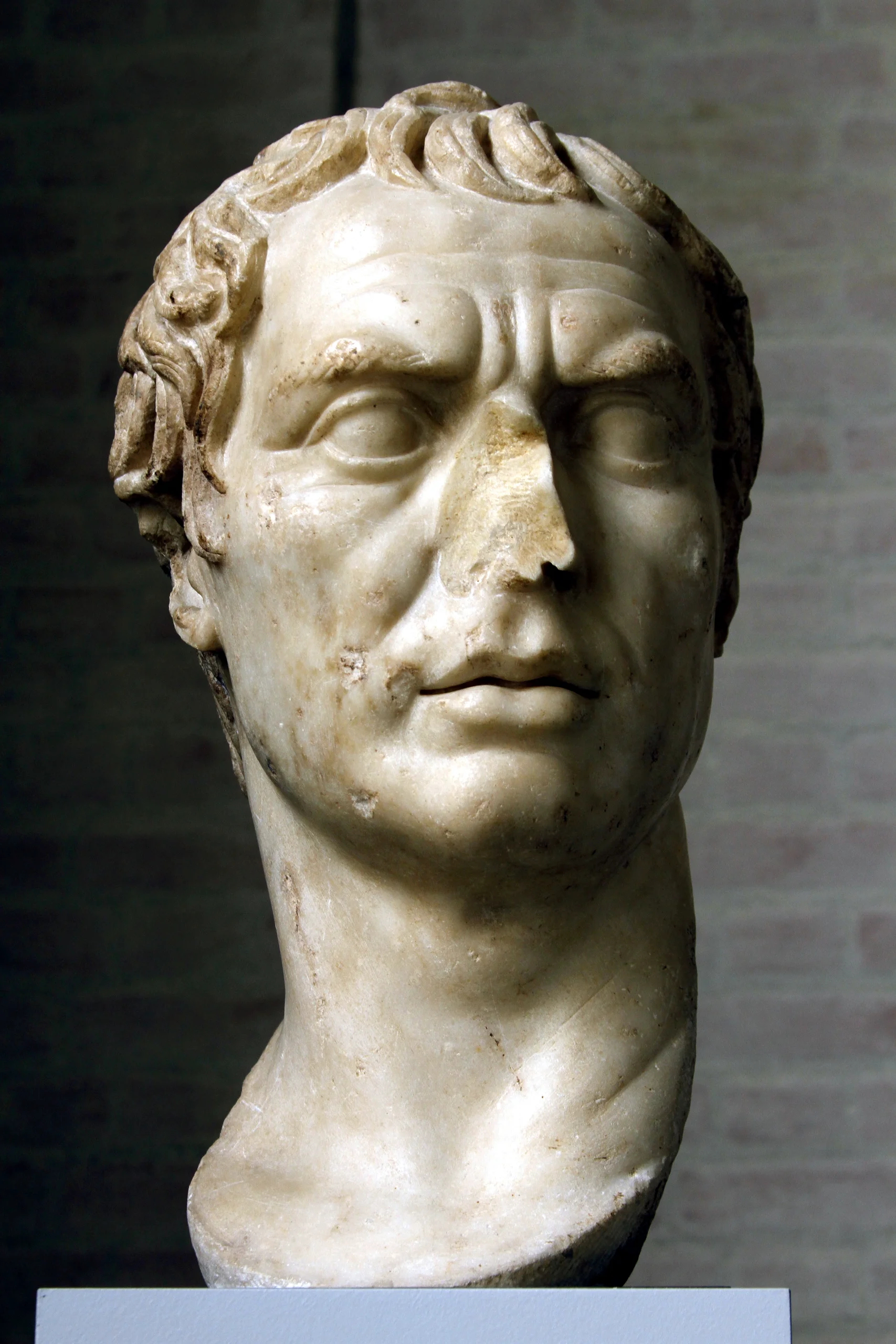
Scipio Africanus
Also known as: Scipio Africanus the Elder
تاريخ الميلاد
236 BC
البرج
مكان الميلاد
Ancient Rome
العمر
توفي عن عمر 53
نبذة
كان بوبليوس كورنيليوس سكيبيو أفريكانوس جنرالًا ورجل دولة رومانيًا ضمن النصر الروماني على قرطاج في الحرب البونيقية الثانية. ولد في عائلة كورنيليا الأرستقراطية، وبرز بفوزه على حنبعل في معركة زاما عام 202 قبل الميلاد، وهو إنجاز أكسبه لقب أفريكانوس. يعتبره المؤرخون المعاصرون أحد ألمع التكتيكيين في العصور القديمة، وسجل معاركه الخالي من الهزائم ظل محفوظًا طوال عقدين من الحملات. يُذكر اليوم كرجل حطم قوة قرطاج ووضع روما على طريق الهيمنة على البحر الأبيض المتوسط.
النشأة والخلفية
ولد سكيبيو في عام 236 أو 235 قبل الميلاد في إحدى أكثر العائلات الأرستقراطية نفوذًا في روما. خدم والده، بوبليوس كورنيليوس سكيبيو، كقنصل، واتبع تربيته المنهج الأرستقراطي القياسي: التدريب العسكري، الخطابة، والقانون. قصة معروفة من شبابه تضعه في معركة تيتشينوس عام 218 قبل الميلاد، حيث يُقال إنه اندفع إلى المعركة لإنقاذ والده المصاب، وهو عمل نذر ببراعته العسكرية المستقبلية. نجا من الهزيمة الرومانية الكارثية في معركة كاناي عام 216 قبل الميلاد، حيث لقي حوالي 50 ألف روماني مصرعهم. في أعقاب ذلك، يُزعم أنه منع نبلاء شباب آخرين من التخلي عن روما بإجبارهم على أداء قسم الولاء للجمهورية.
تم تشكيل طريق سكيبيو للقيادة في مأساة. حوالي عام 211 قبل الميلاد، قُتل والده وعمه، غنايوس كورنيليوس سكيبيو كالفوس، كلاهما في هسبانيا خلال حملات ضد قرطاج. على الرغم من عدم توليه أي منصب رفيع، انتخبه الشعب الروماني في سن 25 عامًا لقيادة القوات الرومانية في هسبانيا، وهي خطوة غير مسبوقة تقريبًا تجاوزت المسار الوظيفي التقليدي. هذه اللحظة أطلقت مسيرته المهنية.
المسيرة المهنية
وصل سكيبيو إلى هسبانيا في عام 211 قبل الميلاد بصفة بروقنصل. في عام 209 قبل الميلاد، استولى على معقل قرطاج نويفا في هجوم جريء براً وبحراً، مؤمّناً خزينة رئيسية وقاعدة استراتيجية. جاء انتصاره التكتيكي الأكبر في هسبانيا في معركة إليبا عام 206 قبل الميلاد، حيث استخدم مناورة تطويق مزدوجة لهزيمة جيش قرطاجي أكبر بقيادة ماجو برقا وحسدروبال جيسكو بشكل حاسم، منهياً فعلياً السيطرة القرطاجية على شبه الجزيرة الأيبيرية.
انتخب قنصلاً في عام 205 قبل الميلاد، وتغلب سكيبيو على معارضة قوية من مجلس الشيوخ، خاصة من فابيوس ماكسيموس، لغزو شمال أفريقيا في عام 204 قبل الميلاد. أقام تحالفًا حاسمًا مع الأمير النوميدي ماسينيسا، مؤمّناً قوة فرسان قوية. بعد هزيمة جيش قرطاجي نوميدي مشترك في معركة السهول الكبرى عام 203 قبل الميلاد، أجبر قرطاج على استدعاء حنبعل من إيطاليا. في معركة زاما عام 202 قبل الميلاد، واجه سكيبيو حنبعل للمرة الأولى والأخيرة. باستخدام تشكيل تكتيكي لامع وفرسانه النوميديين المتفوقين، هزم جيش حنبعل، منهياً الحرب البونيقية الثانية. لهذا النصر، مُنح لقب أفريكانوس.
بعد عودته إلى روما منتصراً، شغل منصب رقيب في عام 199 قبل الميلاد وكمنصل للمرة الثانية في عام 194 قبل الميلاد. خدم لاحقًا كمساعد لأخيه لوكيوس في الحرب ضد أنطيوخوس الثالث الكبير، مساهماً في النصر الروماني في معركة مغنيسيا عام 190 قبل الميلاد.
الجدول الزمني للمسيرة
الصورة العامة والأسلوب
الصورة العامة لسكيبيو هي صورة الجنرال المتدين: هادئ، حاسب، ومفضل إلهيًا. كان سيد الحرب النفسية، وغالبًا ما يجسد هالة من الإلهام الإلهي. في الخيال التاريخي، يتم تصويره باستمرار كبطل، حيث يظهر في المسلسل التلفزيوني Rome (لعب دوره راي ستيفنسون) وفي روايات لـ Ross Leckie و Santiago Posteguillo. تُعاد معاركه بلا نهاية في ألعاب الحرب المصغرة وألعاب الفيديو مثل سلسلة Total War. يدرسه بشكل أساسي علماء الكلاسيكيات، عشاق التاريخ القديم، وهواة التاريخ العسكري، دون اسم رسمي للمعجبين.
الشهرة وجمهور المعجبين
Scipio Africanus stands as a titan of antiquity, his name echoing through military academies and history books for two millennia. Despite this enduring legacy, the iFANN Global Fame Engine evaluated him in August 2026 and determined that he currently holds no placement in the published rankings, including the Global Top 1,000 or any Top-100 scope list. He is not among the living celebrities driving contemporary media cycles, nor does he hold a specific numeric rank in modern fame metrics. His audience consists of classicists, strategists, and students rather than a mobilized fanbase. There is no formal fandom name documented for the Roman general; while historical fiction like the Rome TV series and novels by Ross Leckie keep his image alive, these works do not generate an organized group of admirers with chart pushes or birthday rituals. The concept of a modern fanclub is anachronistic for a figure who died in 183 BC. Instead of viral campaigns or social media trends, his presence is felt through scholarly engagement and the study of his tactical innovations. Recent publications like Simon Hornblower's Hannibal and Scipio: Parallel Lives from 2025 reflect this academic devotion. Unlike modern stars whose popularity fluctuates with streaming numbers, Scipio's fame is static and monumental. He remains a legend defined by the Battle of Zama, where he defeated Hannibal, securing Rome's dominance. This victory is the core of his mythology, retold not as gossip but as a foundational moment of Western history. While some confuse him with Scipio Africanus Jones, the 19th-century attorney, the Roman general stands alone in his sphere. No one organizes events to celebrate his birthday, yet his story persists as a benchmark for leadership. The absence of a ranked position in iFANN's data simply confirms that his influence operates outside the realm of current celebrity culture.
حقائق مثيرة للاهتمام وأساطير
Scipio cultivated a belief that he had a special relationship with the gods, often spending time alone in the Temple of Jupiter before battle. At Carthago Nova, he claimed Neptune had appeared to him in a dream, boosting troop morale. When accused of bribery, he dramatically tore up the financial ledgers in the Senate. His apocryphal epitaph reads: Ungrateful fatherland, you will not even have my bones. Unlike Caesar or Sulla, he never attempted to seize absolute power, remaining a loyal republican even in exile. A defining legend surrounds the Battle of Zama, where the young general vanquished the seemingly invincible Hannibal Barca on the plains of North Africa. This decisive victory ended seventeen years of war and earned him the title Africanus, cementing his status as the savior of Rome. Modern analysis also highlights his use of military intelligence in Hispania, where he outmaneuvered Carthaginian forces through comprehensive data cross-checking rather than traditional spying. These stories function as the lore of his life, studied today in military academies alongside the works of Alexander and Napoleon.
اقتباسات بارزة
“We shall either find a way, or make one.”
“Ingrata patria, ne ossa quidem mea habes.”
العائلة والحياة الشخصية
تزوج سكيبيو من إميليا ترتيا، وهي امرأة رومانية أرستقراطية ذات مكانة عالية. كان لديهما ابنان، بوبليوس كورنيليوس سكيبيو ولوكيوس كورنيليوس سكيبيو، وابنتان، كورنيليا أفريكانا الكبرى وكورنيليا أفريكانا الصغرى. أصبحت كورنيليا الصغرى أم الأخوين غراكي، المصلحين الشعبيين المشهورين، مما جعل سكيبيو جدهما. كان أيضًا والد زوج سكيبيو إميليانوس، الذي تم تبنيه في عائلة كورنيلي سكيبوني ولاحقًا دمر قرطاج في الحرب البونيقية الثالثة.
صلات بارزة
كان أعظم منافس لسكيبيو هو هانيبال برقا، الذي هزمه في زاما. كان حليفه الحاسم هو ماسينيسا، ملك نوميديا الذي وفر سلاح الفرسان الحاسم. كان صديقه مدى الحياة ونائبه هو غايوس لايليوس. كان عدوه السياسي الرئيسي هو كاتو الأكبر، الذي أدت هجماته إلى تقاعده. كتب المؤرخ اليوناني بوليبيوس عنه على نطاق واسع، موفرًا مصدرًا أساسيًا لحياته.
العلاقات وتاريخ المواعدة
تزوج سكيبيو من إميليا ترتيا، وهي امرأة رومانية من طبقة النبلاء، في ترتيب كان مفيدًا سياسيًا واجتماعيًا. أنجب الزواج عدة أطفال، بما في ذلك ابنان وابنتان. سبقت إميليا وفاته، وتوفي أرملًا حوالي عام 183 قبل الميلاد. لا توجد تقارير موثوقة عن علاقات رومانسية أخرى في السجل التاريخي.
- متزوجAemilia Tertia? - c. 183 BCكانت امرأة رومانية من طبقة النبلاء؛ كان الزواج مفيدًا سياسيًا.
الوفاة وما بعدها
تُوفي
183 BC (عن عمر 53 عامًا)
مكان الوفاة
Liternum, Campania, Italy
سبب الوفاة
Natural causes following depression and ill health
Publius Cornelius Scipio Africanus died in 183 BC at his estate in Liternum, a coastal town in southern Campania. The Roman general spent his final years in self-imposed exile after facing relentless political attacks from tribunes who accused him of embezzlement and treason. Ancient historians like Livy and Appian describe a man consumed by deep melancholy and declining health, though they do not record a specific illness or accident that ended his life. Some accounts suggest he may have starved himself out of despair, but modern scholars view this as a later embellishment rather than a confirmed fact. Public reaction to his death remained muted during his lifetime due to his political isolation, yet the Senate eventually moved to rehabilitate his reputation once the dust settled.
Tributes from peers were limited at the moment of death because of his exiled status, but later generations honored him extensively through literary works and state dedications. His burial took place at Liternum, likely within a private tomb on his estate, although some traditions claim his remains were later moved to Rome. Archaeologists have never definitively identified the location of his grave. Posthumously, Scipio Africanus cemented his status as one of history's greatest military commanders through countless books, films, and academic studies. He has been inducted into various halls of fame and received numerous dedications, including statues and monuments throughout the Roman world and beyond. His estate passed to his heirs according to Roman inheritance laws, though details of the settlement remain undocumented.
الثروة (قيمة التركة)
$0
تقدير فريق تحرير iFANN
Per iFANN's editorial analysis, Scipio Africanus has a net worth of $0. As a historical figure who died in 183 BC, he possesses no personal estate or active revenue stream. His value exists entirely within the cultural and historical spheres. The Italian government oversees sites like the ruins of his villa at Liternum, and tourism to these locations generates indirect economic activity. Sales of books, documentaries, and merchandise featuring his likeness contribute to the broader economy, but no direct income flows to his heirs. The Italian state holds any intellectual property rights related to archaeological discoveries associated with him. His financial footprint is purely symbolic, representing a cornerstone of Western history rather than a quantifiable asset.
الجوائز الفائزة (4)
لم يكن لدى روما القديمة احتفالات رسمية بالجوائز. شملت تكريمات سكيبيو الاسم التشريفي أفريكانوس (حوالي 201 ق.م.)، وانتصارًا رومانيًا، وانتخابه رقيبًا (199 ق.م.)، وقنصلية ثانية (194 ق.م.). كانت هذه أعلى الأوسمة المدنية والعسكرية للجمهورية الرومانية.
201 BC · الشرف العسكري
Second Punic War
201 BC · الشرف العسكري
Victory over Carthage
اشتهر بـ
Battle of Zama
202 BC · Roman General
Second Punic War
218-201 BC · Roman Commander
Conquest of Hispania
211-206 BC · Proconsul
كلمات مفتاحية
حقائق سريعة
- المهنة
- General, Statesman
- وُلد
- 236 BC
- مكان الميلاد
- روما القديمة
- تُوفي
- 183 BC
- مكان الوفاة
- Liternum
- الجنس
- ذكر
- الزوج/الزوجة
- Aemilia Tertia
- Children
- Publius Cornelius Scipio, Lucius Cornelius Scipio, Cornelia Africana Major, Cornelia Africana Minor
التفاصيل الشخصية
- الاسم الكامل
- Publius Cornelius Scipio
- الزوج/الزوجة
- Aemilia Tertia
- الأبناء
- Publius Cornelius Scipio, Lucius Cornelius Scipio, Cornelia Africana Major, Cornelia Africana Minor
الأسئلة الشائعة
بماذا يشتهر سكيبيو أفريكانوس؟
كيف مات سكيبيو أفريكانوس؟
هل خسر سكيبيو أفريكانوس معركة قط؟
هل كان سكيبيو أفريكانوس قريبًا ليوليوس قيصر؟
لماذا ذهب سكيبيو أفريكانوس إلى المنفى؟
أشخاص مشابهون
انضم إلى المجتمع
معجب يناقشون