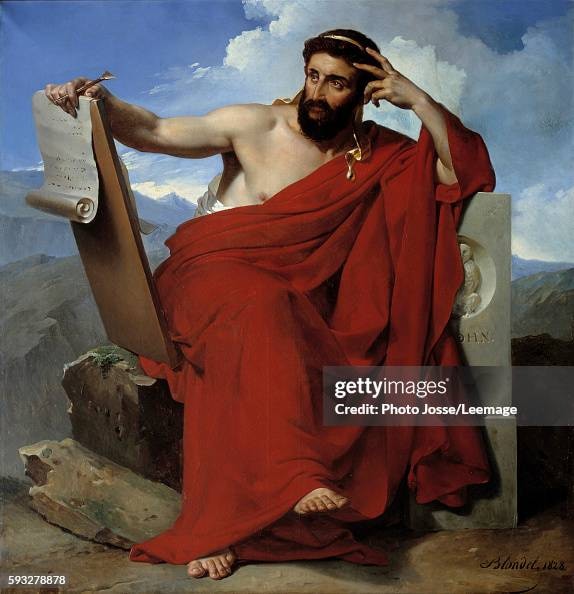
Solon
تاريخ الميلاد
638 BC
البرج
مكان الميلاد
Classical Athens
العمر
توفي عن عمر 80
نبذة
كان سولون رجل دولة ومشرعًا وشاعرًا أثينيًا. يُذكر باعتباره واحدًا من حكماء اليونان السبعة، وكثيرًا ما يُلقب بأب الديمقراطية الأثينية. قلبت إصلاحاته الدستورية معظم قوانين دراكون القاسية وعالجت التدهور السياسي والاقتصادي والأخلاقي. كان أشهر إجراءات سولون هو "التحرر من الأعباء" (seisachtheia)، الذي ألغى الديون وحرر الأثينيين من عبودية الديون. كما أعاد تنظيم المواطنين إلى أربع طبقات على أساس الثروة، كاسرًا احتكار الأرستقراطية. كشاعر، كتب أبياتًا رثائية دافعت عن سياساته وقدمت تعليقًا سياسيًا. على الرغم من الفجوات في السجل التاريخي، فإن إرث سولون كمصلح معتدل وازن بين مصالح الأغنياء والفقراء لا يزال قائمًا. وضعت إصلاحاته الأساس الضروري للديمقراطية الأثينية اللاحقة تحت قيادة كليستينس، ويُصنف باستمرار بين أهم المفكرين السياسيين في التاريخ. تواصل المنشورات الأكاديمية والأفلام الوثائقية إعادة فحص حياته، مثل السلسلة الوثائقية لعام 2024 "اليونانيون: بوتقة الحضارة" والمقالات العلمية الجارية في مجلات مثل Classical Philology.
النشأة والخلفية
وُلد سولون في أثينا الكلاسيكية عام 638 قبل الميلاد لعائلة نبيلة من طبقة Eupatridae ولكنها متواضعة. يُذكر أحيانًا أن والده هو Execestides. شملت نشأته التعليم الأرستقراطي التقليدي (paideia)، الذي تضمن الشعر والموسيقى والتدريب البدني. منذ سن مبكرة، أظهر سولون موهبة في الشعر، حيث كتب أبياتًا رثائية ستعكس لاحقًا آراءه السياسية والأخلاقية المتطورة.
على عكس العديد من أقرانه الأرستقراطيين، اختار سولون ألا يحصر نفسه في الحياة التقليدية للنخبة الأثينية. في شبابه، شرع في مهنة كتاجر ورحالة. كانت فترة الاستكشاف الذاتي هذه تكوينية، حيث وسعت منظوره وعرضته لثقافات وأنظمة سياسية متنوعة عبر العالم القديم. أكملت هذه الأسفار تعليمه الرسمي، وعمقت فهمه للحكم والمجتمع خارج حدود أثينا.
ظهرت خطواته الأولى نحو الشهرة العامة من خلال أدواره المزدوجة كشاعر وقائد عسكري. لم تكن قصائده الرثائية المبكرة مجرد تعبيرات فنية بل كانت أيضًا وسائل لتعليقاته السياسية والأخلاقية. جاءت لحظة محورية في مسيرته المبكرة حوالي عام 600 قبل الميلاد، عندما نجح في حملة استعادة جزيرة سلاميس الاستراتيجية من ميغارا. اشتهر بتحريض الأثينيين على العمل بقصيدة وطنية قوية، ثم قاد شخصيًا الحملة العسكرية. لم يستعد هذا الانتصار الحاسم سلاميس فحسب، بل أسس سولون بقوة كقائد محترم في أثينا، مما مهد الطريق لإسهاماته اللاحقة العميقة في المجتمع الأثيني.
المسيرة المهنية
جاء انفراج سولون في عام 594/593 قبل الميلاد عندما انتُخب أرشونًا بسلطات استثنائية لحل الأزمة الاجتماعية. كان أول إجراء رئيسي له هو "التحرر من الأعباء" (Seisachtheia)، الذي ألغى جميع الديون المستحقة، وحرر الأثينيين المستعبدين بسبب الديون، وحظر عبودية الديون في المستقبل. أعاد تنظيم المواطنين الأثينيين إلى أربع طبقات على أساس المحصول الزراعي السنوي (Pentacosiomedimni، Hippeis، Zeugitae، Thetes)، كاسرًا احتكار الأرستقراطية للسلطة. أنشأ مجلس الأربعمائة لتحضير الأعمال للجمعية، التي فتحت لجميع المواطنين الذكور. كما أسس هيليايا (Heliaia)، وهي محكمة استئناف شعبية. ألغى سولون معظم قوانين دراكون القاسية، واحتفظ فقط بقانون القتل، وقدم قانونًا جديدًا أكثر إنسانية. بعد إصلاحاته، غادر أثينا لمدة عشر سنوات لمنع نفسه من أن يُجبر على تغيير قوانينه، سافر خلالها إلى مصر وقبرص وليديا. أصبح لقاؤه مع الملك كرويسوس الليدي مثلًا مشهورًا عن طبيعة السعادة، حيث قال لكرويسوس إنه لا يمكن اعتبار أي إنسان سعيدًا حتى يموت. عند عودته، عارض طغيان بيسيستراتوس لكنه لم ينجح. توفي بعد ذلك بفترة وجيزة، ويُقال في قبرص عن عمر يناهز 80 عامًا.
الجدول الزمني للمسيرة
الصورة العامة والأسلوب
الصورة العامة لسولون هي صورة المشرع الحكيم والمعتدل والمبدئي النموذجي. يُصوَّر في وسائل الإعلام على أنه هادئ ومفكر وغير قابل للفساد. علامته التجارية هي الإصلاح المتوازن وسيادة القانون. لا يوجد معجبون رسميون؛ إنه موضوع دراسة في الأوساط الأكاديمية وبين القراء العامين المهتمين بالفلسفة القديمة والديمقراطية. ليس لديه حسابات شخصية على وسائل التواصل الاجتماعي، ولكن توجد حسابات وصفحات تاريخية عديدة على منصات مثل Twitter/X وFacebook وInstagram، يديرها متاحف وجامعات وعشاق التاريخ.
الشهرة وجمهور المعجبين
Solon commands a steady, global presence as a foundational figure in Western political thought and history. While his name is universally recognized among students of democracy and classical antiquity, iFANN's Global Fame Engine has evaluated this person, but they do not currently hold a placement in the published rankings (Global Top 1,000 or a Top-100 scope list). The ancient statesman exists outside the modern metrics that track contemporary celebrities, musicians, and influencers. Consequently, Solon is currently the subject of academic study rather than pop-culture fandom. There is no documented fanbase with an official name, nor are there organized campaigns, merchandise drives, or social media movements dedicated to his legacy. His influence persists through historical texts, philosophical discourse, and educational curricula rather than viral trends or fan rituals. Unlike modern figures who generate measurable engagement through streaming numbers or social interactions, Solon's reach is measured by the endurance of his ideas across two and a half millennia. He remains a silent giant in the hall of fame, revered for his wisdom and reforms but absent from the active, living fandoms that define today's celebrity landscape.
حقائق مثيرة للاهتمام وأساطير
Solon was one of the first politicians to use poetry as a tool for political advocacy, writing elegiac verses to defend his radical reforms. A famous moral tale from antiquity recounts his conversation with King Croesus, where he declared that no man can be called happy until he is dead. He famously refused the chance to become a tyrant, choosing instead to uphold the rule of law even when offered absolute power. Only about 300 lines of his poetry survive today, preserved as quotations in later works by Plutarch and Aristotle. Historical records associate him closely with Peisistratus, his relative and later tyrant whom he opposed, Draco, the previous lawgiver whose harsh code he replaced, and Cleisthenes, the reformer who built upon Solon's foundations. His most famous measure, the seisachtheia or 'shaking off of burdens,' canceled debts and freed Athenians from debt slavery. One notable quote captures his philosophy: 'I gave to the common people such power as is sufficient, neither taking away their dignity nor adding too much.' Another warning against hubris reads, 'For excess gives birth to insolence, whenever great prosperity comes to men whose minds are not sound.'
اقتباسات بارزة
“Call no man happy until he is dead.”
“I gave to the common people such power as is sufficient, neither taking away their dignity nor adding too much.”
“For excess gives birth to insolence, whenever great prosperity comes to men whose minds are not sound.”
العائلة والحياة الشخصية
لا يوجد سجل تاريخي لزواج سولون أو إنجابه أطفالًا. لا يُسجل له أي أشقاء. كانت عائلته من طبقة Eupatridae النبيلة ولكنها متواضعة. يُذكر أحيانًا أن والده هو Execestides.
صلات بارزة
يرتبط سولون ببيسيستراتوس، قريبه الذي أصبح لاحقًا طاغية أثينا، والذي عارضه. استبدل قوانين دراكون القاسية بقوانين أكثر اعتدالًا. نصح الملك كرويسوس ملك ليديا بشكل مشهور. مهدت إصلاحاته الطريق لديمقراطية كليسثنيس. كتب بلوتارخ وأرسطو روايات مفصلة عن حياته ودستوره.
العلاقات وتاريخ المواعدة
لا يوجد سجل تاريخي لوجود أي علاقات رومانسية أو زيجات أو أطفال لسولون. المصادر القديمة لا تذكر زوجة أو أي ذرية. ليس معروفًا أنه تزوج أو خطب أو شارك في أي علاقات رومانسية عامة. اعتبارًا من عام 2026، ونظرًا لوفاته في القرن السادس قبل الميلاد، تُستنتج حالته العاطفية كأعزب دون شركاء معروفين.
الوفاة وما بعدها
تُوفي
558 BC (عن عمر 80 عامًا)
مكان الوفاة
غير معروف
سبب الوفاة
غير معروف
The historical record regarding the final days of Solon remains a tapestry of tradition rather than documented fact, leaving the exact circumstances of his passing to the inferences of later biographers. While authoritative timelines place his death around 558 BC, no contemporary account confirms the specific location or manner of his end. The narrative often paints him as an old man, having spent his final decade traveling through Egypt and Lydia before returning to Athens to witness the rise of Peisistratus, only to pass away shortly thereafter without witnessing the full consolidation of tyranny. There is no medical statement from a family member or physician to verify whether he succumbed to natural causes, illness, or some other condition. The silence of the historical record regarding his final moments means we cannot speak of a specific disease or accident with any certainty.
Instead, the focus of his posthumous history shifts immediately to how he was remembered by the city he served. He was honored as one of the Seven Sages of Greece, a title that cemented his legacy far more effectively than any physical memorial could. No specific funeral details or burial locations were recorded in the surviving texts. These poems continued to defend his policies and offer political commentary long after his body had returned to the earth. The true aftermath of his life was not a ceremony but the enduring influence of his reforms, which laid the groundwork for Athenian democracy and kept his name alive as a symbol of moderation and wisdom for generations to come.
الثروة (قيمة التركة)
$0
تقدير فريق تحرير iFANN
Per iFANN's editorial analysis, Solon had no monetary wealth in a modern sense, as he was an ancient legislator and poet who died in the 6th century BC. The concept of net worth does not apply to a figure who lived over two millennia ago and owned no business enterprises. Therefore, iFANN currently estimates his net worth at $0.
الجوائز والتكريمات
View 5 records, honours and achievementsاشتهر بـ
Seisachtheia (debt cancellation)
594/593 BC · Archon and lawgiver
Constitutional reforms (four classes, Council of 400)
594/593 BC · Archon and lawgiver
Repeal of Draco's laws
594/593 BC · Archon and lawgiver
كلمات مفتاحية
حقائق سريعة
- المهنة
- statesman, lawmaker, poet
- وُلد
- 638 BC
- مكان الميلاد
- Classical Athens
- تُوفي
- 558 BC
- مكان الوفاة
- Cyprus
- الجنس
- ذكر
التفاصيل الشخصية
- الاسم الكامل
- Solon
الأسئلة الشائعة
هل سولون أب الديمقراطية؟
ماذا فعل سولون بقوانين دراكون؟
ما هو أشهر إصلاح لسولون؟
هل كان لسولون زوجة أو أطفال؟
كيف مات سولون؟
انضم إلى المجتمع
معجب يناقشون