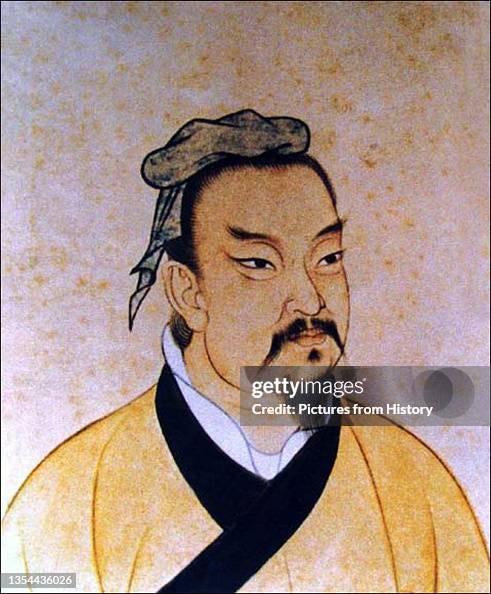
Sun Tzu
 China
ChinaMilitary strategist•philosopher•writer
Also known as: Master Sun, Sun Wu, Sunzi
تاريخ الميلاد
544 BC
البرج
مكان الميلاد
Qi (ancient Chinese state, present-day Shandong)
العمر
توفي عن عمر 48
نبذة
Sun Tzu, born Sun Wu, was the ancient Chinese military strategist and philosopher whose treatise The Art of War remains one of the most influential texts on strategy ever written. Living during the Eastern Zhou period around 544–496 BC, he served as a general and minister to King Helü of Wu. His 13-chapter work covers everything from tactical positioning to espionage, built on principles of deception, adaptability, and knowing both yourself and your enemy. Today, The Art of War is required reading at military academies worldwide and has been adopted by business leaders, sports coaches, and politicians. Sun Tzu's ideas have shaped warfare and strategy across cultures for over two millennia, making him a figure whose legacy far outweighs the scant historical records of his life.
النشأة والخلفية
لا يُعرف أي شيء تقريبًا عن حياة سون تزو المبكرة. وُلد حوالي عام 544 قبل الميلاد في ولاية تشي، وهي مملكة قوية خلال فترة الربيع والخريف وكانت مركزًا للفكر العسكري والفكري. تشير الروايات التقليدية إلى أن عائلته كانت لها صلات عسكرية، لكن لا توجد أسماء أو تفاصيل باقية. أنتجت ولاية تشي استراتيجيين مشهورين آخرين، ومن المحتمل أن سون تزو استوعب الثقافة الاستراتيجية لوطنه. أول تحرك مسجل له كان عندما سافر جنوبًا إلى ولاية وو، ساعيًا لمقابلة الملك هيلو. وفقًا لتاريخ سيما تشيان سجلات المؤرخ الكبير، التي كتبت بعد قرون، أظهر سون تزو مهارته بتدريب محظيات الملك كجنود. عندما ضحكت المفضلتان لدى الملك أثناء التدريبات، أمر سون تزو بإعدامهما، مما أثبت انضباطه وسلطته. أعجب الملك هيلو وعينه جنرالاً. هذه القصة، سواء كانت واقعية أو أسطورية، تمثل الحدث الوحيد المعروف قبل مسيرته العسكرية.
المسيرة المهنية
تُعرف مسيرة سون تزو المهنية بالكامل تقريبًا من خلال تأليفه لـ فن الحرب، الذي يعود تاريخه تقليديًا إلى حوالي 500 قبل الميلاد. تغطي فصول النص الـ 13 بشكل منهجي التخطيط والتكتيكات والتضاريس والتجسس، مع التركيز على الخداع والميزة النفسية. كجنرال تحت قيادة الملك هيلو، قاد سون تزو جيوش وو إلى عدة انتصارات، مما ساعد الدولة على توسيع أراضيها. ومع ذلك، فإن المعارك المحددة التي قادها غير مسجلة. بعد وفاته عام 496 قبل الميلاد، انتشر فن الحرب بين القادة العسكريين الصينيين. نما تأثيره على مر القرون، وانتشر إلى اليابان وكوريا وفي النهاية الغرب. في القرن العشرين، أصبح عنصرًا أساسيًا في كليات إدارة الأعمال واستراتيجية الشركات. أكد اكتشاف فن الحرب المنفصل لسون بين في عام 1972 أن سون تزو ونسله كانا شخصيتين متميزتين، مما أنهى قرونًا من الارتباك وعزز مكانة سون تزو كمؤلف أصلي.
الجدول الزمني للمسيرة
الصورة العامة والأسلوب
يُصوَّر سون تزو عالميًا كحكيم ملتحٍ ومحارب مثقف يرتدي أردية فضفاضة، غالبًا ما يحمل لفافة أو سيفًا. هذه الصورة هي اتفاقية فنية بالكامل، حيث لا توجد صورة معاصرة له. في وسائل الإعلام الحديثة، يُصوَّر كاستراتيجي هادئ وحساب، وغالبًا ما يُستخدم كرمز للحكمة القديمة. أسلوب كتابته موجز، أمثال، وعملي، مما يجعل اقتباساته قابلة للمشاركة إلى ما لا نهاية على وسائل التواصل الاجتماعي. غالبًا ما يطلق عشاق عمله على أنفسهم اسم "الاستراتيجيين" وينظمون مجموعات قراءة سنوية ومنتديات عبر الإنترنت وإعادة تمثيل عسكري. الاستخدام الواسع لاقتباساته في سياقات الأعمال والتنمية الذاتية جعل من سون تزو أيقونة ثقافية شعبية، على الرغم من أن العديد من الاقتباسات المنسوبة إليه هي منسوبة خطأ أو معاد صياغتها.
الشهرة وجمهور المعجبين
Sun Tzu commands a global attention that transcends the boundaries of his era, maintaining a persistent presence in modern strategic discourse and cultural memory. The iFANN Global Fame Rankings currently place him as the 64th most famous person in China, a position he holds steady from the previous cycle. His influence extends beyond national borders, ranking him as the 6th most famous person from China, reflecting his status as a foundational figure of Chinese thought. Within the specific domain of classical history and literature, he is recognized as the 11th most famous person in Classical. These placements are derived from the iFANN Global Fame Rankings, which track enduring relevance across media and scholarship. Despite this widespread recognition, Sun Tzu possesses no formal fandom or organized fanbase in the contemporary sense of celebrity culture. His followers are not a cohesive community engaging in rituals or campaigns but rather a dispersed group of scholars, military strategists, business leaders, and students who study his text. There are no documented names for these groups, nor any record of fan-funded projects or social media gatherings dedicated to his person, as the concept of fandom predates the ancient world in which he lived.
حقائق مثيرة للاهتمام وأساطير
For centuries, historians confused Sun Tzu with his descendant Sun Bin until Sun Bin's own treatise was discovered in a 1972 tomb excavation in Yinqueshan. Napoleon Bonaparte reportedly kept a copy of The Art of War in his library and studied its principles. Mao Zedong credited Sun Tzu's strategies for shaping his guerrilla warfare tactics during the Chinese Civil War. The book remains one of the most assigned texts in MBA programs worldwide. Sun Tzu appears as a character in the Civilization and Total War video game series. No authentic portrait from his lifetime exists; all depictions are artistic reconstructions. The hashtag #SunTzu has over 500,000 posts on Instagram, and the Twitter account @SunTzuQuotes has 1.2 million followers. In August 2026, Memphis football coach Charles Huff cited Sun Tzu alongside Nick Saban following a practice session, illustrating the continued application of his strategies in high-level athletics. Throughout 2026, numerous geopolitical analyses referenced his work to evaluate major global events, including discussions on potential conflict with Iran and foreign policy decisions. Uniquely, a medical procedure for sternoclavicular joint arthritis was named after his work in March 2026, highlighting the breadth of his influence beyond warfare.
اقتباسات بارزة
“Know your enemy and know yourself, and you can fight a hundred battles without disaster.”
“All warfare is based on deception.”
“The supreme art of war is to subdue the enemy without fighting.”
“Appear weak when you are strong, and strong when you are weak.”
“In the midst of chaos, there is also opportunity.”
العائلة والحياة الشخصية
لا تحتوي السجلات التاريخية على أي معلومات عن والدي سون تزو أو إخوته أو أطفاله. تدعي الأنساب التقليدية أنه كان له نسل يُدعى سون بين، وهو استراتيجي عسكري من ولاية تشي عاش خلال فترة الممالك المتحاربة. ومع ذلك، فإن هذا الارتباط يعتمد على ادعاءات أنساب لاحقة وليس على أدلة معاصرة. العلاقة الشخصية الوحيدة المعروفة لسون تزو هي مع الملك هيلو من وو، راعيه. لا توجد سجلات لزوجة أو أسرة أو حيوانات أليفة.
صلات بارزة
الملك هيلو من وو كان راعي سون تزو، الذي عينه جنرالاً بعد عرض تدريب المحظيات. سيما تشيان، مؤرخ أسرة هان، سجل سيرة سون تزو في سجلات المؤرخ الكبير. سون بين، نسله، كتب أيضًا أطروحة عسكرية، مما تسبب في ارتباك لقرون. درس نابليون بونابرت فن الحرب واحتفظ بنسخة في مكتبته. طبق ماو تسي تونغ مبادئ سون تزو في حرب العصابات خلال الحرب الأهلية الصينية.
العلاقات وتاريخ المواعدة
لا توجد سجلات تاريخية موثوقة توثق أي علاقات عاطفية لسون تزو. المصادر الصينية القديمة، بما في ذلك سجلات المؤرخ الكبير لسيما تشيان، تركز حصراً على مسيرته العسكرية وكتاباته الاستراتيجية. لا توجد زيجات أو خطوبات أو شركاء عاطفيين مسجلين. اعتباراً من عام 2026، لا توجد معلومات عن علاقات في أي سجل تاريخي.
الوفاة وما بعدها
تُوفي
496 BC (عن عمر 48 عامًا)
مكان الوفاة
غير معروف
سبب الوفاة
غير معروف
There are no confirmed facts regarding the death of Sun Tzu, as he was a historical figure who lived during the Eastern Zhou period (c. 500 BCE) and died approximately 2,500 years ago. Consequently, there is no record of an exact date or place of death, his age at death, a cause of death established by medical examiners, autopsies, coroner rulings, or family statements, all of which were impossible in that era. Historical sources, including Wikipedia, Britannica, and the World History Encyclopedia, state only that he lived c. 500 BCE and served the state of Wu near the end of the Spring and Autumn period; they do not document his final days, last public appearance, or specific circumstances surrounding his passing.
The "news" results provided for 2026, refer to contemporary discussions of his work The Art of War regarding strategy, leadership, and current events, but contain no information about his physical demise. Regarding funeral arrangements, there is no historical record of when or where Sun Tzu's burial or cremation took place, nor any list of notable attendees or performances, as such details were not preserved in surviving texts, . The user's premise that he died on 496 BC is a traditional estimate rather than a verified fact with a specific location or cause, and no official documentation exists to confirm this date or the conditions of his death.
الثروة (قيمة التركة)
$50 Million
تقدير فريق تحرير iFANN
Sun Tzu died in 496 BC, and no records of his personal wealth survive. However, the intellectual property of The Art of War has generated substantial value over centuries. Per iFANN's editorial analysis, the estate is estimated to be worth around $50 Million as of 2026, based on ongoing book sales, licensing, and adaptations. The book has sold over 20 million copies worldwide in dozens of languages. Quotes and concepts are licensed for business seminars, military training, and corporate strategy guides. Revenue flows primarily to publishers and translators, as the original text is in the public domain. Annotated editions and audiobooks continue to sell steadily. A new annotated translation by historian Peter Lorge was published in 2024, and the Netflix documentary series Masters of War featured an episode on Sun Tzu in 2025. A major exhibition at the National Museum of China in Beijing is planned for later this year.
الجوائز والتكريمات
View 9 records, honours and achievementsاشتهر بـ
The Art of War
c. 500 BC · مؤلف
كلمات مفتاحية
حقائق سريعة
- وُلد
- 544 BC
- مكان الميلاد
- Qi
- تُوفي
- 496 BC
- مكان الوفاة
- Gusu
- الجنس
- ذكر
- المهنة
- Military strategist, philosopher, writer
التفاصيل الشخصية
- الاسم الكامل
- Sun Wu
الأسئلة الشائعة
هل كان سون تزو شخصاً حقيقياً؟
ما هي ثروة سون تزو في عام 2026؟
هل كتب سون تزو بالفعل كتاب فن الحرب؟
ما هو أشهر اقتباس لسون تزو؟
كيف مات سون تزو؟
أشخاص مشابهون
انضم إلى المجتمع
معجب يناقشون