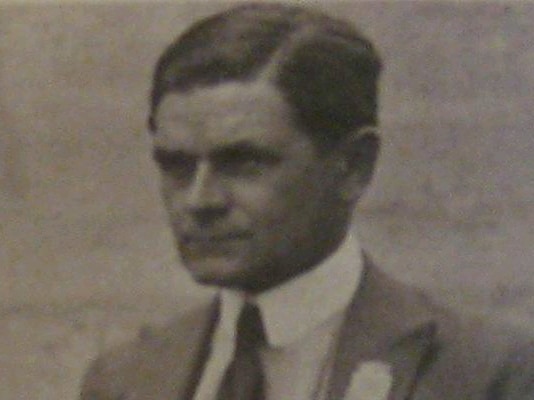
Vittorio Pozzo
 Italy
Italyassociation football player•journalist•association football coach
Also known as: Il Vecchio Maestro
تاريخ الميلاد
March 2, 1886
البرج
Pisces
مكان الميلاد
Turin, Italy
العمر
توفي عن عمر 82
الطول
5 ft 9 in (1.75 m)
نبذة
Vittorio Pozzo was the only football manager in history to win two FIFA World Cups, leading Italy to victory in 1934 and 1938. An Italian tactician and journalist, he invented the Metodo formation (2-3-2-3) that balanced defense and attack, influencing modern systems like 4-2-4 and 4-3-3. Beyond the World Cup, he guided Italy to an Olympic gold medal in 1936 and two Central European International Cups (1930, 1935). Known as "Il Vecchio Maestro" (The Old Master), Pozzo is revered for his tactical innovations and dignified leadership. As of 2026, his record of consecutive World Cup titles remains unmatched. His legacy includes induction into the Italian Football Hall of Fame in 2011 and consistent recognition among the greatest managers of the early 20th century.
النشأة والخلفية
نشأ بوتسو في تورينو، وهو ابن موظف سكك حديدية. التحق بمدرسة فنية وطور شغفًا مبكرًا بكرة القدم، التي كانت آنذاك رياضة ناشئة في إيطاليا. كشاب، درس في فرنسا وسويسرا، واستوعب ثقافات كروية مختلفة شكلت لاحقًا تفكيره التكتيكي. كانت مسيرته كلاعب قصيرة: لعب كلاعب خط وسط لنادي غراسهوبر كلوب زيورخ من 1905 إلى 1906، ثم عاد إلى إيطاليا ليلعب لتورينو من 1906 حتى إصابة في الركبة أجبرته على الاعتزال في سن 25.
بعد الاعتزال، تحول بوتسو إلى الصحافة، حيث كتب لصحيفة لا ستامبا ومنشورات أخرى. منحه عمله الصحفي منظورًا تكتيكيًا وساعده في بناء علاقات في إدارة كرة القدم. في عام 1912، عُيّن مدربًا للمنتخب الإيطالي لأول مرة، لكن الحرب العالمية الأولى قطعت ولايته. خلال الحرب، عمل كمراسل حربي، يغطي المعارك للصحف الإيطالية. بعد الحرب، عاد إلى الصحافة وغطى البطولات الكبرى. جاءت لحظته المحورية في عام 1929 عندما أُعيد تعيينه مدربًا للمنتخب الإيطالي، وهو الدور الذي شغله لنحو عقدين.
المسيرة المهنية
بدأت ولاية بوتسو الثانية كمدرب لإيطاليا في عام 1929 وأطلقت عصرًا ذهبيًا. في عام 1930، فاز بأول كأس أوروبا الوسطى الدولية، وهي طليعة بطولة أمم أوروبا. في كأس العالم 1934 على أرض الوطن، ظهرت تشكيلة ميتودو بكامل قوتها، حيث هزمت إيطاليا تشيكوسلوفاكيا 2-1 في النهائي. كانت قدرة بوتسو على مزج لاعبين من أندية متنافسة مثل يوفنتوس وتورينو مفتاحًا لتماسك الفريق. في عام 1935، فاز بكأس أوروبا الوسطى الدولية الثانية. في أولمبياد برلين 1936، فازت إيطاليا بالميدالية الذهبية، مما جعل بوتسو المدرب الوحيد الذي يفوز بالأولمبياد وكأس العالم. جاءت الذروة في عام 1938، عندما دافعت إيطاليا عن لقبها في كأس العالم في فرنسا، بفوزها على المجر 4-2 في النهائي. لا يزال بوتسو المدرب الوحيد الذي يفوز بكأس العالم مرتين. غادر المنتخب الوطني في عام 1948 بعد 97 مباراة (64 فوزًا، 20 تعادلًا، 13 خسارة) وعاد إلى الصحافة، وكتب لصحيفة لا ستامبا حتى وفاته في عام 1968. في عام 1924، درب إيطاليا في أولمبياد باريس، وبلغ ربع النهائي. رفض عروضًا مغرية لتدريب أندية أجنبية، مفضلاً البقاء في إيطاليا.
الجدول الزمني للمسيرة
الصورة العامة والأسلوب
زرع بوتسو صورة السلطة الكريمة، حيث ظهر دائمًا ببدلة وربطة عنق، غالبًا بقبعة فيدورا. على خط التماس، كان هادئًا وتحليليًا، ونادرًا ما يصرخ. صورته وسائل الإعلام الإيطالية باسم "المعلم القديم"، كشخصية أبوية حكيمة غيرت كرة القدم الإيطالية. احترمت وسائل الإعلام الأجنبية عبقريته التكتيكية لكنها درست أحيانًا دوره تحت النظام الفاشي لموسوليني. يلاحظ المؤرخون أنه ركز فقط على كرة القدم وتجنب التصريحات السياسية، ولم ينضم أبدًا إلى الحزب الفاشي. يبجله المشجعون والمحللون التكتيكيون كشخصية تأسيسية، مع مقالات تكريمية ومعروضات متحفية في مقر الاتحاد الإيطالي لكرة القدم تخليدًا لإرثه. كان طوله حوالي 1.75 مترًا بناءً على صور من تلك الفترة. تصفه الروايات التاريخية بأنه متزن، مثقف، وساخر أحيانًا في المقابلات.
الشهرة وجمهور المعجبين
Vittorio Pozzo commands a global reputation defined by singular historical achievement rather than contemporary celebrity metrics. His standing in the modern consciousness is that of an immutable record-holder, revered by historians and football purists for being the only manager to secure two FIFA World Cup titles. Despite this unparalleled legacy, iFANN's Global Fame Engine evaluated his profile in August 2026 and determined he currently holds no placement within the published rankings, including the Global Top 1,000 or any Top-100 scope list. This absence of a numerical rank reflects the nature of his fame as a distant figure from the pre-digital era rather than a lack of significance. The audience surrounding his name consists entirely of those who study football history, with no formal fandom name documented in available records. Unlike modern icons, there are no organized fan clubs, digital campaigns, or specific rituals associated with his memory; the reverence he receives is retrospective, emerging from academic circles and national pride rather than active community participation. While foreign media once scrutinized his political context, the current narrative focuses exclusively on his tactical genius and the unbroken nature of his World Cup record. No viral moments or crowd disruptions define his legend today, as his impact was felt through strategic innovation and dignified leadership during an era when management was insulated from public spectacle. The lack of a named fanbase underscores the historical distance between his active years and the present day, leaving his legacy to be carried by facts rather than folklore.
حقائق مثيرة للاهتمام وأساطير
Vittorio Pozzo was a polyglot fluent in French, German, and English, which allowed him to dissect foreign tactics with precision. He maintained strict professional standards, insisting his players wear suits and ties while traveling and handing each man a paper inscribed with "VINCERE" before matches. Although he never managed a club at the highest level, he discovered Giuseppe Meazza and mentored him into stardom. His Metodo formation drew inspiration from the Swiss Danubian School and the English WM system. After his death, his archives were donated to the Italian Football Federation, and he received the FIFA Order of Merit. Streets named after him include Via Vittorio Pozzo in Turin and other Italian cities. Notable quotes include: "The game of football is simple. But it is terribly difficult to play simply." A widely retold story describes Pozzo as a football immortal tempered in the trenches of World War I, a background that shaped his stoic approach to command. This narrative frames his tactical triumphs not merely as games but as disciplined exercises born of survival. Historians frequently cite his role as the mastermind behind the 1938 World Cup victory as the pinnacle of his career, emphasizing how he transformed the Italian squad through innovation. While some note he remains less known globally due to the Fascist era context, experts universally regard him as the greatest manager of the competition. His legacy stands as a verified historical fact: the unique treble of Olympic gold and back-to-back World Cups achieved within four years.
اقتباسات بارزة
“The game of football is simple. But it is terribly difficult to play simply.”
“I have always believed that the best way to prepare a team is to make them understand that they are playing for something greater than themselves.”
“Victory is not everything, but the effort to win is.”
“A team is not eleven individuals. It is one soul in eleven bodies.”
“When you wear the blue shirt of Italy, you carry the hopes of millions. Do not disappoint them.”
العائلة والحياة الشخصية
تزوج بوتسو من امرأة تدعى جوزيبينا، لكن القليل من التفاصيل حول خلفيتها موثقة. لم يكن للزوجين أطفال. كان بوتسو شديد الخصوصية بشأن حياته الشخصية، ولا يُعرف الكثير عن عائلته بعد زواجه. عاش في تورينو معظم حياته. كان والده موظف سكك حديدية، لكن لا توجد معلومات عن والدته أو أشقائه في المصادر الإنجليزية. بعد وفاته، أدار الاتحاد الإيطالي لكرة القدم تركته، الذي تلقى أرشيفه الشخصي. وُلد بوتسو في 2 مارس 1886 في تورينو وتوفي في 21 ديسمبر 1968 في تورينو عن عمر يناهز 82 عامًا.
صلات بارزة
عمل بوتسو عن كثب مع نجوم مثل جوزيبي مياتسا، الذي قاد إيطاليا في الفوز بكأس العالم 1938، وجيوفاني فيراري، لاعب الوسط الرئيسي في عامي 1934 و1938. كما اعتمد على لويس مونتي، وأنجيلو سكيافيو، وسيلفيو بيولا. ومن حلفائه الإداريين فيروتشيو نوفو، رئيس تورينو، وأوتورينو باراسي من الاتحاد الإيطالي لكرة القدم.
العلاقات وتاريخ المواعدة
تزوج بوتسو من جيوسيبينا، واسمها الكامل قبل الزواج غير موثق في المصادر الإنجليزية. من المحتمل أن الزوجين تزوجا في العقد 1910 أو 1920 وبقيا معًا حتى وفاة بوتسو في عام 1968. لم يكن لديهما أطفال. كان بوتسو شديد الخصوصية بشأن حياته الشخصية، ولم توثق المصادر الموثوقة أي علاقات عاطفية أخرى. اعتبارًا من عام 2026، توفي بوتسو وكان أرملًا وقت وفاته. زوجته عاشته، لكن القليل موثق عن علاقتهما في المصادر الإنجليزية.
- متزوجGiuseppina Pozzo? - 1968تزوج بوتسو من جيوسيبينا، لكن القليل من التفاصيل عن علاقتهما موثقة. لم يكن لديهما أطفال.
الوفاة وما بعدها
تُوفي
December 21, 1968 (عن عمر 82 عامًا)
مكان الوفاة
Turin, Italy
سبب الوفاة
غير معروف
The passing of Vittorio Pozzo in late December 1968 marked the end of an era for Italian football, though immediate public mourning was not characterized by the mass vigils or chart surges that define modern celebrity deaths. Retrospective coverage decades later consistently frames him as a football immortal whose tactical innovations and unique record of two World Cup victories established him as a pioneer of the sport. The man known as Il Vecchio Maestro left behind a legacy that continues to be invoked in analyses of coaching history, yet the immediate reaction in 1968 remained relatively quiet compared to his towering status in the game.
Pozzo died on December 21, 1968, at the age of 82 in Turin, Italy, where he had lived for most of his life. No official cause of death was made public in available records, nor were details regarding hospital statements, autopsy findings, or specific circumstances surrounding his final days released to the press. As an elderly figure who passed naturally, his death did not trigger any police investigation, inquest, or legal proceedings. The absence of such reports suggests a private departure without controversy or sudden medical emergency requiring public inquiry.
Following his death, no specific information regarding the date, location, or nature of the funeral service has been preserved in English sources. Posthumously, however, his standing has only grown, with FIFA releasing unseen images of his work in 2025 and numerous publications celebrating his creation of the Metodo formation. He remains the only manager to win consecutive World Cups, a record that stands unmatched as the years pass.
الثروة (قيمة التركة)
بصفته مدرب كرة قدم وصحفيًا في إيطاليا في النصف الأول من القرن العشرين، لم يكن بوتسو ثريًا بالمعايير الحديثة. كان دخله يأتي من راتبه كمدرب للمنتخب الإيطالي، وهو منصب ممول حكوميًا، وراتبه الصحفي من صحيفة لا ستامبا. لم تكن لديه صفقات تأييد أو مشاريع تجارية معروفة. لا توجد تقديرات موثوقة متاحة للجمهور عن ثروته أو قيمة تركته. كان رواتب مدربي كرة القدم في تلك الحقبة متواضعة مقارنة بعقود اليوم التي تصل إلى ملايين الدولارات. إرثه تاريخي في الغالب وليس تجاريًا.
الجوائز الفائزة (6)
فاز بوتسو بكأسي العالم (1934، 1938)، والميدالية الذهبية الأولمبية (1936)، وكأسي أوروبا الوسطى الدوليين (1930، 1935). تم إدخاله بعد وفاته إلى قاعة مشاهير كرة القدم الإيطالية في عام 2011 كرائد لكرة القدم الإيطالية.
1938 · فائز
Italy national team
1934 · فائز
Italy national team
1936 · كرة القدم
Italy national team
اشتهر بـ
1934 FIFA World Cup
1934 · Manager
1938 FIFA World Cup
1938 · Manager
1936 Olympic Gold Medal
1936 · Manager
كلمات مفتاحية
حقائق سريعة
- المهنة
- association football player, journalist, association football coach
- وُلد
- +1886-03-02
- مكان الميلاد
- Turin
- تُوفي
- +1968-12-21
- مكان الوفاة
- Turin
- الجنس
- ذكر
- البرج
- Pisces
التفاصيل الشخصية
- الاسم الكامل
- Vittorio Pozzo
- الطول
- 5 ft 9 in (1.75 m)
- الزوج/الزوجة
- Giuseppina Pozzo
- التعليم
- Technical school in Turin; studied in France and Switzerland
الأسئلة الشائعة
كم عدد كؤوس العالم التي فاز بها فيتوريو بوتسو؟
ما التشكيلة التي ابتكرها فيتوريو بوتسو؟
هل كان فيتوريو بوتسو فاشيًا؟
كم كان عمر فيتوريو بوتسو عندما توفي؟
هل كان لفيتوريو بوتسو أطفال؟
أشخاص مشابهون
انضم إلى المجتمع
معجب يناقشون