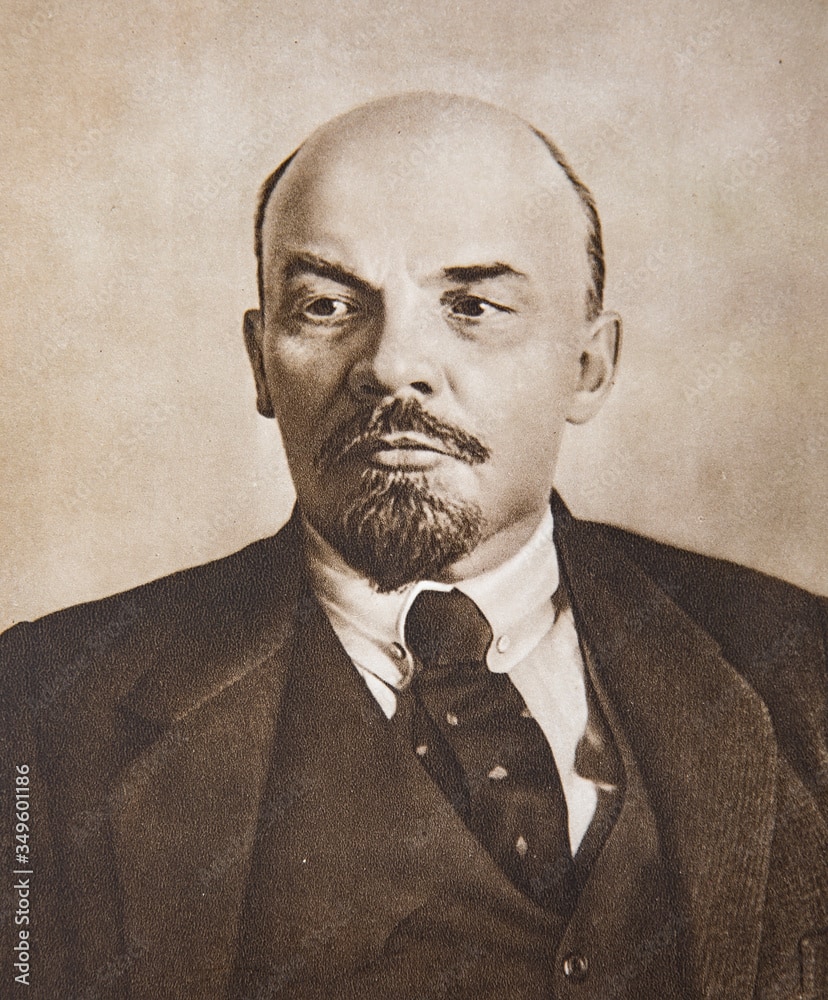
Vladimir Lenin
 Russia
Revolutionary•politician•political theorist
Also known as: Vladimir Ilyich Ulyanov, Lenin
تاريخ الميلاد
April 22, 1870
البرج
Aries
مكان الميلاد
Simbirsk, Russian Empire (now Ulyanovsk, Russia)
العمر
توفي عن عمر 53
الطول
5 ft 5 in (165 cm)
نبذة
فلاديمير لينين، المولود باسم فلاديمير إلييتش أوليانوف في 22 أبريل 1870، في سيمبيرسك، روسيا، كان ثوريًا وسياسيًا ومنظرًا سياسيًا روسيًا. شغل منصب أول رئيس حكومة لروسيا السوفيتية من عام 1917 إلى عام 1922 وللاتحاد السوفيتي من عام 1922 حتى وفاته في عام 1924. تحت قيادته، استولت الحزب البلشفي على السلطة في ثورة أكتوبر 1917، مؤسسًا أول دولة شيوعية في العالم. تكيف لينين مع النظرية الماركسية، والمعروفة باللينينية، شدد على حزب طليعي منضبط لتوجيه البروليتاريا نحو الثورة.
أعادت الفلسفة السياسية والأعمال التي قام بها لينين تشكيل القرن العشرين. سحب روسيا من الحرب العالمية الأولى عبر معاهدة بريست-ليتوفسك، وأمم الأراضي والصناعة، وأسس الأممية الشيوعية لنشر الثورة عالميًا. خلال الحرب الأهلية الروسية، نفذت حكومته شيوعية الحرب والإرهاب الأحمر، وعززت حكم الحزب الواحد. في عام 1921، تحول إلى السياسة الاقتصادية الجديدة، مما سمح للمشاريع الخاصة المحدودة بإحياء الاقتصاد. بحلول عام 1922، تم تشكيل اتحاد الجمهوريات الاشتراكية السوفياتية تحت توجيهه.
يبقى لينين أحد أكثر الشخصيات إثارة للانقسام في التاريخ. ينسب إليه المؤيدون إنشاء دولة اشتراكية رفعت الملايين من الفقر وتحدت الرأسمالية. يشير النقاد إلى تأسيسه للديكتاتورية والقمع السياسي وعمليات الإعدام الجماعية. يبقى إرثه حيًا في الحركة الشيوعية العالمية، وقد تم عرض جثمانه المحنط في الساحة الحمراء بموسكو منذ عام 1924. اعتبارًا من عام 2026، تستمر المناقشات في روسيا حول ما إذا كان يجب دفنه.
النشأة والخلفية
اتخذت حياة لينين المبكرة منعطفًا حادًا في عام 1887 عندما تم إعدام شقيقه الأكبر ألكسندر لتآمره لاغتيال القيصر ألكسندر الثالث. الحدث أثر بشكل جذري على الشاب البالغ من العمر 17 عامًا، ودفعه نحو الثورة. كان طالبًا متميزًا في مدرسة سيمبيرسك الكلاسيكية الثانوية، وتخرج بميدالية ذهبية، لكن طريقه إلى الأوساط الأكاديمية كان مسدودًا. تم طرد لينين من جامعة قازان الإمبراطورية لانضمامه إلى احتجاج طلابي، ودرس القانون بشكل مستقل وحصل على شهادة من جامعة سانت بطرسبرغ الإمبراطورية في عام 1891.
أصبح ناشطًا ماركسيًا في سانت بطرسبرغ في أوائل التسعينيات، وانضم إلى الدوائر الثورية ووزع الأدبيات السرية. في عام 1895، تم القبض عليه بتهمة التحريض وقضى ثلاث سنوات في المنفى في سيبيريا. خلال ذلك المنفى، تزوج من ناديزدا كروبسكايا وكتب أول عمل رئيسي له، تطور الرأسمالية في روسيا. بعد إطلاق سراحه، انتقل لينين إلى أوروبا الغربية، وعاش في ألمانيا وسويسرا وإنجلترا، حيث انغمس في النظرية الماركسية والتنظيم الثوري. بحلول عام 1903، في المؤتمر الثاني للحزب الاشتراكي الديمقراطي العمالي الروسي في لندن، انشق الحزب بقيادته للفصيل البلشفي ضد المناشفة.
المسيرة المهنية
جاء اختراق لينين في أبريل 1917 عندما سمحت له ألمانيا بالسفر في قطار مختوم من سويسرا إلى بتروغراد. أصدر فورًا أطروحات أبريل، مطالبًا بإنهاء الحرب ونقل السلطة إلى السوفييتات. في 25 أكتوبر 1917، قاد البلاشفة في اقتحام قصر الشتاء، والإطاحة بالحكومة المؤقتة. أصبح رئيسًا لمجلس مفوضي الشعب.
سحبت حكومته روسيا من الحرب العالمية الأولى بمعاهدة بريست-ليتوفسك في مارس 1918. من عام 1918 إلى عام 1921، قاد لينين الجيش الأحمر خلال الحرب الأهلية الروسية، ونفذ شيوعية الحرب والإرهاب الأحمر لقمع المعارضة. في عام 1919، أسس الأممية الشيوعية في موسكو لتعزيز الثورة العالمية. في مواجهة الانهيار الاقتصادي وانتفاضات الفلاحين، قدم السياسة الاقتصادية الجديدة في عام 1921، مما سمح بالتجارة الخاصة على نطاق صغير. في ديسمبر 1922، أسس لينين اتحاد الجمهوريات الاشتراكية السوفياتية. بعد معاناته من ثلاث سكتات دماغية بين عامي 1922 و 1923، توفي في 21 يناير 1924، في مزرعته جوركي.
الجدول الزمني للمسيرة
الصورة العامة والأسلوب
يُصوَّر لينين دائمًا تقريبًا ببدلة وربطة عنق، وغالبًا ما يرتدي قبعة أو قبعة فيدورا. وضعيته الأيقونية تظهره بيد مرفوعة أو يحمل صحيفة. في روسيا، يُصوَّر على أنه مؤسس رؤيوي للدولة السوفيتية، بينما في الغرب، يُنظر إليه على أنه ديكتاتور ثوري أسس نظامًا شمولياً. لا تزال تماثيل لينين نقاط تجمع للتجمعات الشيوعية في جميع أنحاء العالم. يتم الاحتفال بعيد ميلاده، 22 أبريل، من قبل الأحزاب الشيوعية. ضريح لينين في الساحة الحمراء هو موقع حج للمؤيدين. غالبًا ما تستخدم الحسابات الساخرة على وسائل التواصل الاجتماعي الخطاب الثوري، وتقتبس من أعماله. تم استخدام صورته على عدد لا يحصى من الملصقات والعملات والطوابع.
الشهرة وجمهور المعجبين
Vladimir Lenin commands a unique form of enduring recognition that transcends the typical celebrity cycle. His legacy is not sustained by modern fan clubs or social media trends, but by the deep, often polarized engagement of political adherents, historians, and ideological movements who have studied his life for over a century. While he lacks a formal fandom name or organized fanbase in the pop culture sense, his image remains a potent symbol of revolution, with annual commemorations on April 22 drawing participants from around the globe to discuss his impact on geopolitical history. The reverence shown to him ranges from academic study to active political activism, creating a following defined by shared ideology rather than entertainment consumption. This global attention is quantified by the iFANN Global Fame Rankings. According to these authoritative metrics, Vladimir Lenin is currently the 171st most famous person in the world, holding steady from the previous cycle. He stands as the 3rd most famous person from Russia, maintaining this rank consistently. Within his specific field of influence, he is ranked as the 31st most famous person in Politics, also holding steady. These placements confirm his status as a historical titan whose relevance persists decades after his passing.
حقائق مثيرة للاهتمام وأساطير
Lenin adopted a pseudonym likely derived from the Lena River in Siberia, reflecting his early revolutionary identity. An avid chess player who regularly challenged fellow revolutionaries, he considered Beethoven's Appassionata sonata his favorite composition throughout his life. He possessed fluency in German, French, and English, alongside the ability to read Latin and Greek. A heavy smoker consuming up to 40 cigarettes daily, his health eventually deteriorated following an assassination attempt in August 1918 by Fanya Kaplan, who shot him twice. His embalming formula remains a state secret, and his brain was studied by neuroscientists who claimed to find enlarged pyramidal cells indicating genius. His final written work, known as his Testament, warned against Joseph Stalin's rise. The Soviet Union's first postage stamp, issued in 1924, featured his portrait. Beyond these facts, legends persist regarding his physical legacy; his mummified body became a pilgrimage site for communists worldwide after his death in 1924. In the realm of pop culture mythology, Andy Warhol created iconic silkscreen portraits of Lenin, cementing his image as a symbol of revolution alongside figures like Marilyn Monroe. Recent lore also includes the movement of a massive nine-meter statue in Groningen, Netherlands, in August 2026, illustrating that his image remains a potent, if controversial, symbol of political change decades after his passing. Stories of his ruthless pragmatism during the Treaty of Brest-Litovsk remain central to his historical narrative. A widely retold story captures his resolve with the phrase 'History Will Not Forgive Us,' a declaration often cited in documentaries to symbolize his willingness to seize power regardless of the cost.
اقتباسات بارزة
“There are decades where nothing happens; and there are weeks where decades happen.”
“The oppressed are allowed once every few years to decide which particular representatives of the oppressing class are to represent and repress them.”
“We must be ready to employ trickery, deceit, law-breaking, withholding and concealing truth.”
“The goal of socialism is communism.”
“It is true that liberty is precious, so precious that it must be rationed.”
العائلة والحياة الشخصية
كان والد لينين، إيليا نيكولايفيتش أوليانوف، مفتشًا مدرسيًا وصل إلى رتبة مستشار دولة فعلي، مما منح العائلة النبالة الوراثية. كانت والدته، ماريا ألكسندروفنا بلانك، معلمة. كان لينين الطفل الثالث من بين ستة أطفال: آنا، ألكسندر، أولغا (التي توفيت في الطفولة)، ديمتري، وماريا. عاشت العائلة في سيمبيرسك، حيث توفي إيليا بنزيف في المخ عام 1886. أدى إعدام ألكسندر في العام التالي إلى تدمير العائلة. تزوج لينين من ناديزدا كروبسكايا في عام 1898؛ لم يكن لديهما أطفال، ربما بسبب مرض جريفز الذي أصاب كروبسكايا. عاش الزوجان ببساطة، غالبًا في المنفى أو في شقق حكومية. لم يكن لدى لينين حيوانات أليفة ولم يترك أي سلالة مباشرة.
صلات بارزة
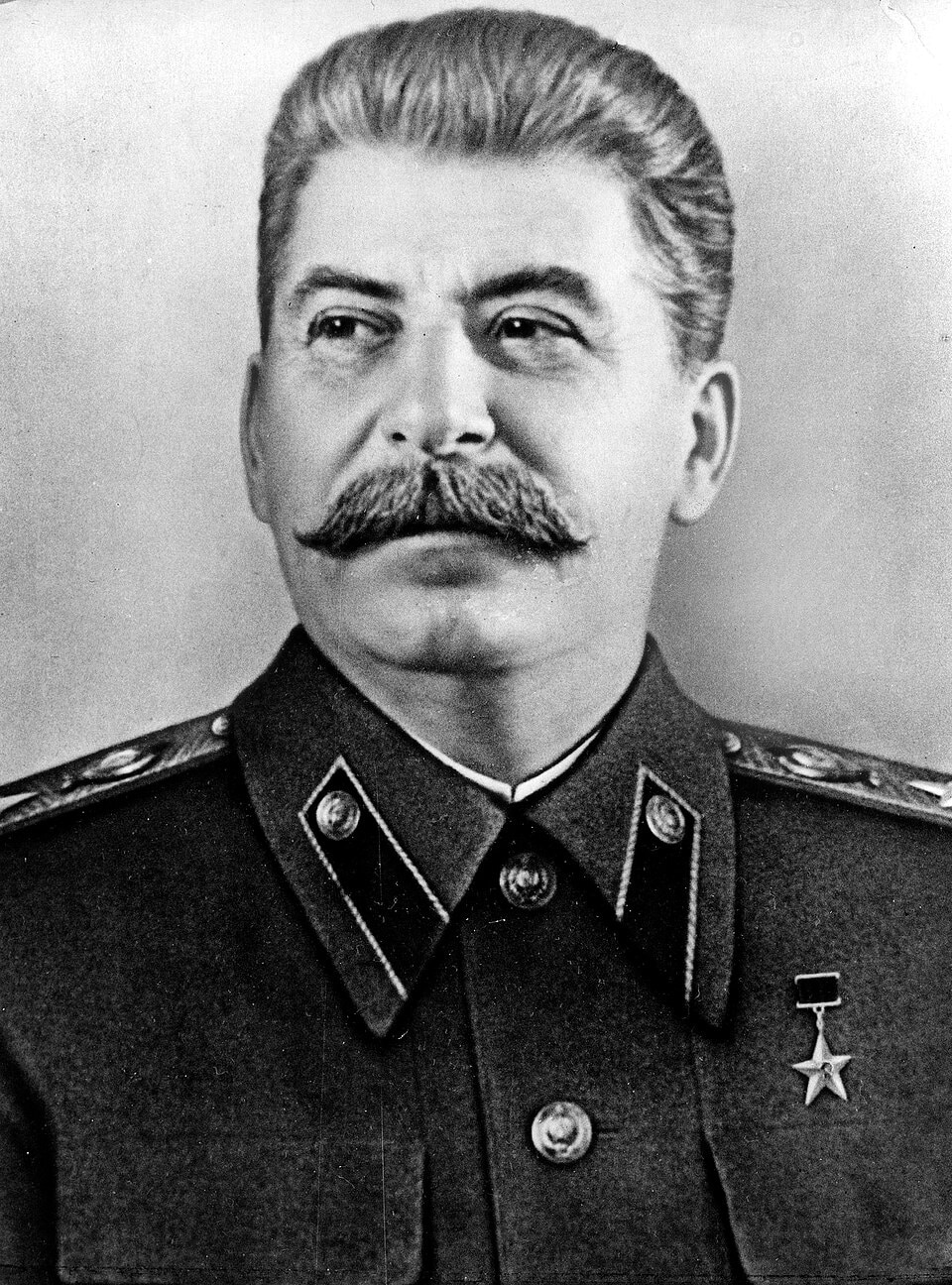
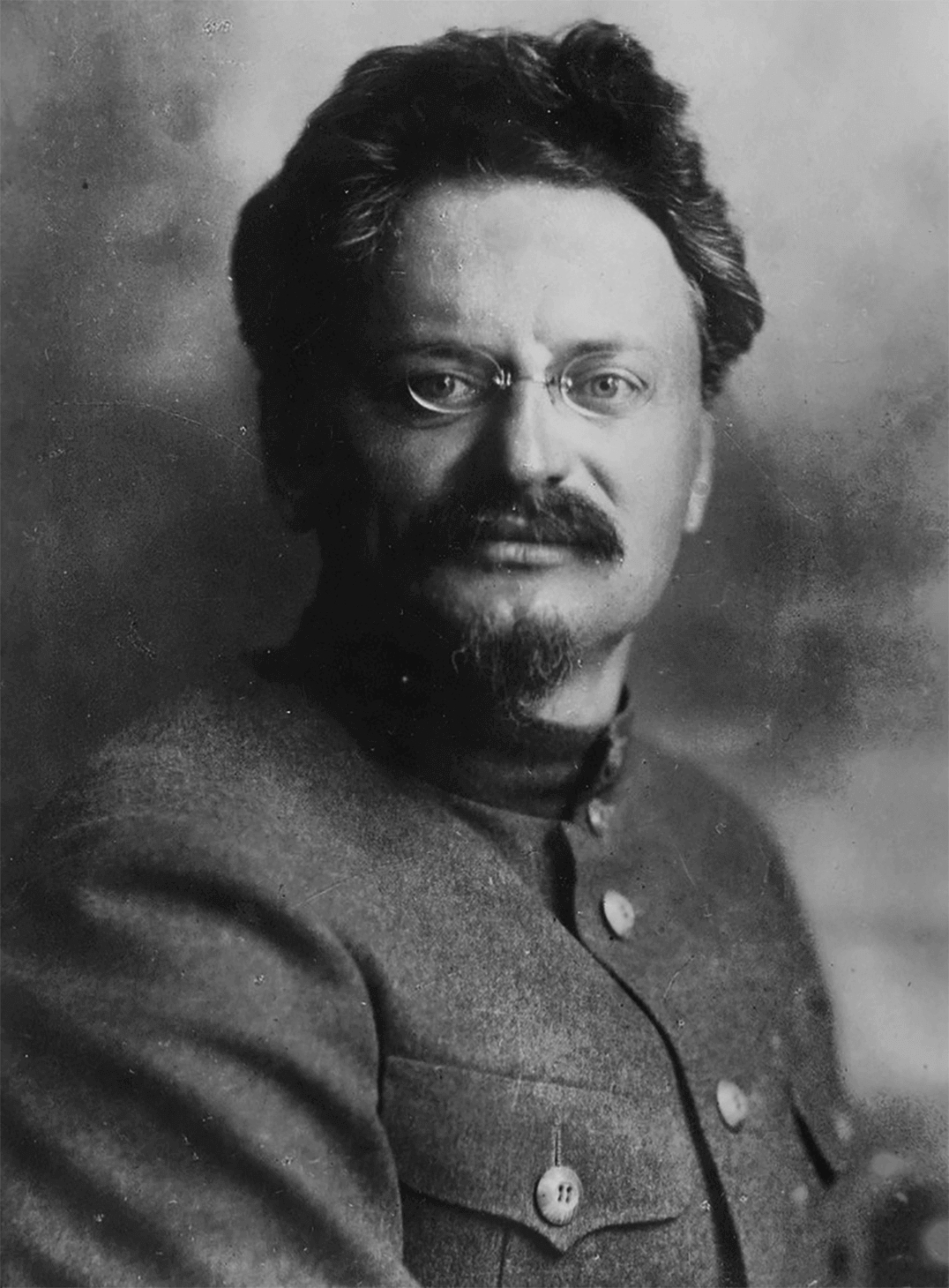
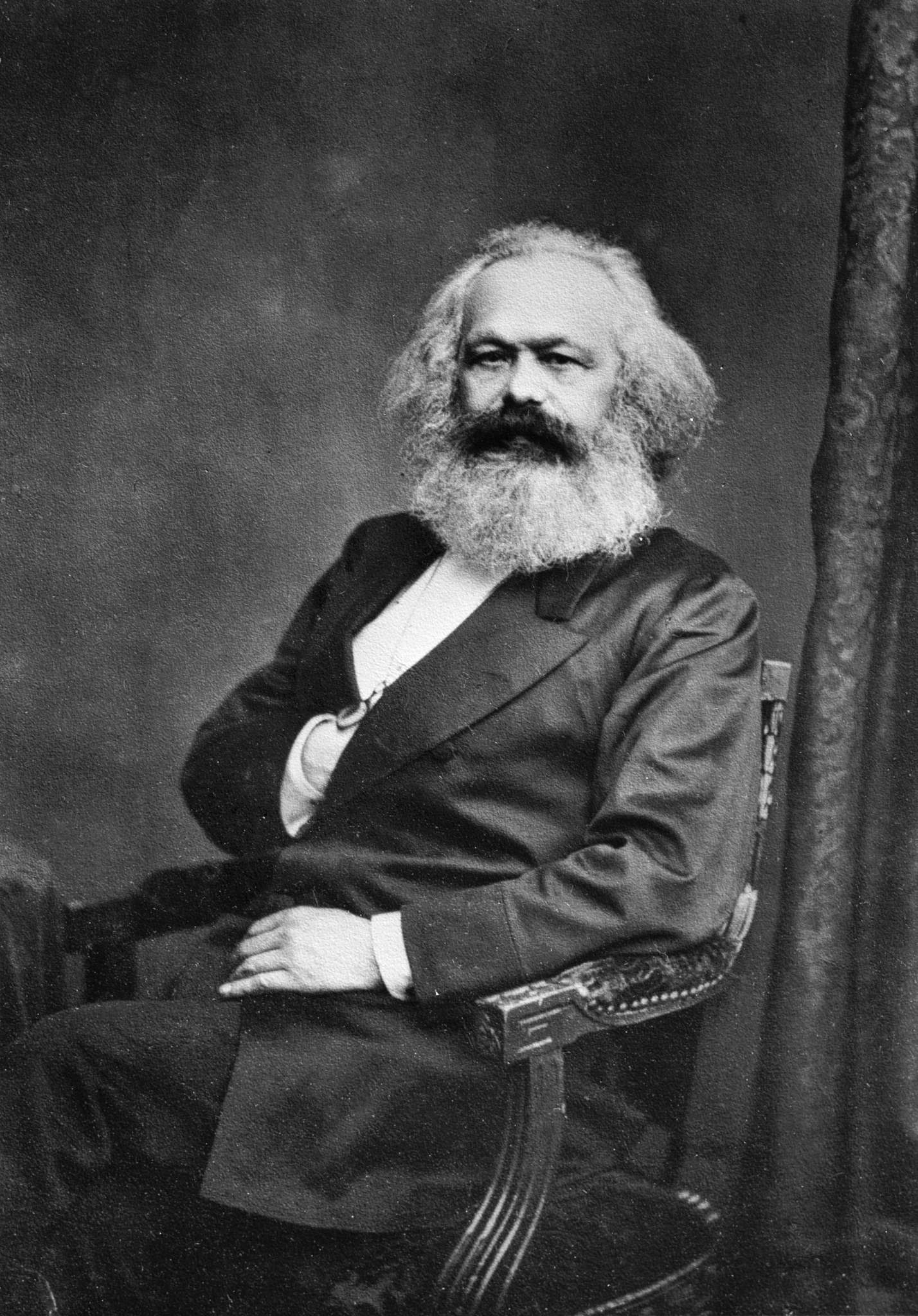
كان ليون تروتسكي أقرب حلفاء لينين، الذي شارك في قيادة ثورة أكتوبر وقاد لاحقًا الجيش الأحمر. كان جوزيف ستالين خليفته، على الرغم من أن لينين حذّر منه في وصيته. كانت زوجته ناديزدا كروبسكايا متعاونته وسكرتيرته مدى الحياة. كانت إنيسا أرماند عشيقته وثورية زميلة. كان جورجي بليخانوف مرشدًا مبكرًا أصبح لاحقًا خصمًا أيديولوجيًا. كان كارل ماركس وفريدريك إنجلز مؤثريه الفكريين الأساسيين.
العلاقات وتاريخ المواعدة
كانت علاقة لينين الأساسية مع ناديزدا كروبسكايا، التي تزوجها في عام 1898 بينما كان كلاهما في المنفى في سيبيريا. شغلت منصب سكرتيرته والمتعاونة السياسية طوال حياته. لم يكن لديهما أطفال، ربما بسبب مرض غريفز لدى كروبسكايا. ابتداءً من حوالي عام 1910، كانت لدى لينين علاقة طويلة الأمد خارج نطاق الزواج مع إنيسا أرماند، وهي ثورية روسية مولودة في فرنسا. تبادلا رسائل شغوفة، وعاشت مع لينين وكروبسكايا في المنفى. يُقال إن كروبسكايا قبلت هذا الترتيب. توفيت أرماند بسبب الكوليرا في عام 1920، مما أحزن لينين بشدة. هناك علاقة قصيرة مشاع عنها مع الناشطة البلشفية إيلينا ستاسوفا في عام 1913-1914، إلا أن الأدلة ضعيفة. ظل لينين متزوجًا من كروبسكايا حتى وفاته في عام 1924.
- متزوجNadezhda Krupskaya1898 - 1924التقيا في عام 1894 في دوائر ماركسية؛ تزوجا في المنفى السيبيري. كانت سكرتيرته وأقرب مستشاريه. لم ينجبا أطفالًا.
- واعَدInessa Armand1910 - 1920علاقة طويلة الأمد خارج نطاق الزواج. ثورية مولودة في فرنسا؛ عاشت مع لينين وكروبسكايا. توفيت بسبب الكوليرا.
- إشاعةElena Stasova1913 - 1914ناشطة بلشفية وسكرتيرة؛ علاقة غرامية قصيرة مشاع عنها، الأدلة ضعيفة.
الوفاة وما بعدها
تُوفي
January 21, 1924 (عن عمر 53 عامًا)
مكان الوفاة
Gorki Leninskiye, Moscow Governorate, Russian SFSR
سبب الوفاة
Cerebral hemorrhage from arteriosclerosis
The announcement of Vladimir Lenin's passing on January 21, 1924, triggered an immediate and massive wave of mourning across the Soviet Union, with millions lining the streets of Moscow to pay their respects. Tributes poured in from peers and institutions alike, while Joseph Stalin delivered the primary eulogy at the funeral, declaring that "Lenin would have said: 'We must live.'" The state organized nationwide moments of silence and vigils, transforming the event into a focal point for public veneration. Memorial murals and landmarks were erected almost instantly, and the decision was made to embalm his body and construct a mausoleum in Red Square.
Lenin died at his estate in Gorki Leninskiye, located about 15 miles west of Moscow, after a series of strokes that began in May 1922. His final public appearance occurred on October 14, 1922, when he addressed a meeting of the Moscow Provincial Party Conference with difficulty. By December 16, 1922, a massive stroke left him partially paralyzed, followed by further incapacitation in March 1923 and a third stroke in March 1924 that rendered him comatose until his death at 6:50 PM. The official cause of death was reported as a cerebral hemorrhage resulting from arteriosclerosis based on assessments by personal physicians V.P.
Serbsky and S.P. Botkin, though some historical accounts suggest syphilis or other conditions. The funeral took place on January 27, 1924, in Moscow's Red Square, attended by hundreds of thousands of citizens and high-ranking officials including Grigory Zinoviev, Lev Kamenev, and Nikolai Bukharin. Unlike many heads of state, Lenin was neither buried nor cremated; his body was preserved through embalming and displayed for public viewing in a temporary wooden structure before moving to a permanent granite mausoleum. In the posthumous era, the Soviet state established numerous foundations, scholarships, and awards in his name, such as the Order of Lenin, while his widow Nadezhda Krupskaya continued working in the Ministry of Education until her death in 1939.
Dedications proliferated globally with cities, factories, and institutions renamed after him, cementing his image in propaganda art and architecture. His estate was effectively nationalized upon his death, with all personal assets transferred to the state leaving no private inheritance for family members. To this day, debates continue regarding his legacy, particularly in Russia and Ukraine, where his role in the formation of the Soviet state remains a contentious political topic.
الثروة (قيمة التركة)
$0 (Estate: $100 Million)
تقدير فريق تحرير iFANN
Lenin died with no personal wealth, living modestly on a party salary and owning no private property. Per iFANN's editorial analysis, his estate is valued at approximately $100 million as of 2026, bringing the total net worth to $0 (Estate: $100 Million). This valuation includes the Lenin Mausoleum, a network of museums, and licensing rights for his image and writings. The Russian State Historical Museum manages these assets, generating $10–15 million annually from tourism, souvenir sales, and book royalties. His Collected Works, a 55-volume set, remains in print and continues to sell. The estate is administered by the Russian Federal Protective Service for the mausoleum and the museum network. Ongoing debates about burying his body have not significantly affected the estate's value.
الجوائز الفائزة (2)
حصل لينين على وسام الراية الحمراء عام 1919، وهو أعلى وسام عسكري في الاتحاد السوفيتي في ذلك الوقت. مُنح لاحقًا لقب بطل العمل الاشتراكي بعد وفاته، على الرغم من أن اللقب تم إضفاء الطابع الرسمي عليه لاحقًا. لا توجد جوائز تقليدية أخرى. تأسست جائزة لينين ووسام لينين بعد وفاته وتم منحهما لآخرين.
1919 · وسام عسكري
Leadership of the Red Army
1922 · وسام الدولة
Founding the Soviet state
اشتهر بـ
October Revolution
1917 · Leader
Founding of the Soviet Union
1922 · Founder and head of government
Leninism
· Developer of Marxist theory
Treaty of Brest-Litovsk
1918 · Negotiator
New Economic Policy
1921 · Architect
كلمات مفتاحية
حقائق سريعة
- المهنة
- Revolutionary, politician, political theorist
- وُلد
- April 22, 1870
- مكان الميلاد
- Simbirsk, Russian Empire
- تُوفي
- January 21, 1924
- مكان الوفاة
- Gorki, Russian SFSR, Soviet Union
- الجنس
- ذكر
- الزوج/الزوجة
- Nadezhda Krupskaya
- البرج
- Aries
التفاصيل الشخصية
- الاسم الكامل
- Vladimir Ilyich Ulyanov
- الطول
- 5 ft 5 in (165 cm)
- الزوج/الزوجة
- Nadezhda Krupskaya
- التعليم
- Simbirsk Classical Gymnasium (gold medal), Kazan Imperial University (expelled), Saint Petersburg Imperial University (law degree, 1891)
الأسئلة الشائعة
ممَ توفي لينين؟
هل تزوج لينين؟
كم كان طول لينين؟
هل كان لدى لينين أطفال؟
ما هي ثروة لينين؟
وسائل التواصل
انضم إلى المجتمع
معجب يناقشون