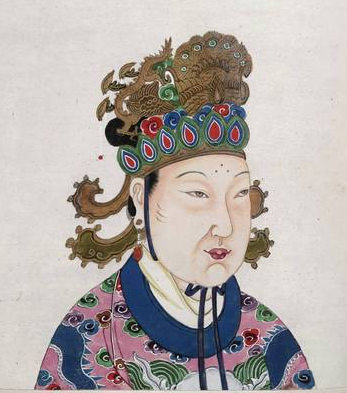
Wu Zetian
 China
Chinaempress consort•poet•empress regnant
Also known as: Empress Wu, Wu Zhao, Wu Hou, Empress Zetian
تاريخ الميلاد
February 17, 624
البرج
Aquarius
مكان الميلاد
Guangyuan (disputed), Tang China
العمر
توفي عن عمر 81
نبذة
Wu Zetian was the only woman in the long history of China to rule as emperor in her own right. Born Wu Zhao in 624, she rose from being a teenage concubine to the most powerful person in the realm, eventually founding her own Zhou dynasty and ruling for fifteen years. Her ascent shattered the deepest conventions of a deeply patriarchal society, and her reign remains a subject of fierce debate.
As emperor, Wu Zetian was both ruthless and capable. She employed a network of informants, eliminated rivals with brutal efficiency, and was long portrayed by Confucian historians as a villainess. But modern scholarship paints a more complex picture. She reformed the civil service examination system to favor talent over aristocratic birth, expanded China's territory, and patronized Buddhism, commissioning the giant Buddha at Longmen Grottoes. Her reign brought stability and prosperity that helped set the stage for the later golden age of the Tang.
Wu Zetian was also a poet and a creator of her own Chinese character. Her blank tombstone at Qianling Mausoleum symbolizes the enduring controversy around her legacy. She remains one of the most fascinating and studied figures in Chinese history, a woman who wielded absolute power in a world that told her she could not.
النشأة والخلفية
وُلدت وو تشاو في عائلة ذات صلات جيدة. كان والدها، وو شيهو، تاجر أخشاب أصبح داعمًا للتمرد الذي أسس أسرة تانغ، وارتقى إلى وزير الأشغال. جاءت والدتها، السيدة يانغ، من عشيرة يانغ القوية. على عكس معظم فتيات العصر، تم تشجيع وو على القراءة والدراسة. تعلمت التاريخ والسياسة والخط والموسيقى والشعر، وطورت ذكاءً حادًا وطموحًا.
عندما كانت وو في الرابعة عشرة من عمرها تقريبًا، اختارها الإمبراطور تايزونغ كمحظية منخفضة الرتبة. بكت والدتها عند الفراق، لكن وو ردت حسبما ورد: "كيف تعرفين أنها ليست ثروتي؟" في البلاط، عملت كسكرتيرة، وامتصت آليات السلطة الإمبراطورية. وفقًا للأسطورة، كان العراف يوان تيانغانغ قد توقع عند ولادتها أنها ستحكم المملكة يومًا ما. عندما توفي تايزونغ عام 649، تم إرسال وو ومحظيات أخريات بلا أطفال إلى معبد غانيي ليصبحن راهبات بوذيات، وهو مصير تقليدي كان سينهي قصتها، لكن كان لديها خطط أخرى.
المسيرة المهنية
تم ترتيب عودة وو من الدير من قبل الإمبراطور الجديد، غاوزونغ، الذي كان يعرفها بينما كان والده على قيد الحياة. بمساعدة الإمبراطورة وانغ، التي رأت في وو حليفًا مفيدًا ضد زوجة منافسة، تم إعادة وو إلى البلاط حوالي عام 651. سرعان ما تفوقت على كلتا المرأتين. في عام 655، بعد وفاة ابنتها الرضيعة المشبوهة، والتي اتُهمت بتدبيرها للإيقاع بالإمبراطورة وانغ، أصبحت وو الإمبراطورة القرينة.
من عام 660 فصاعدًا، عانى غاوزونغ من أمراض موهنة، وبدأت وو تحكم مكانه. سيطرت فعليًا على الإمبراطورية، وأمرت بحملات عسكرية وأصدرت القوانين. عندما توفي غاوزونغ عام 683، أصبحت الإمبراطورة الأرملة والوصية على ابنها. لكنها أرادت المزيد. في عام 684 خلعته بعد 44 يومًا فقط، واستبدلته بابن آخر، وفي عام 690 دفعته جانبًا أيضًا، وأعلنت نفسها إمبراطورة لأسرة تشو الجديدة.
استمر حكم وو كإمبراطورة حتى عام 705. روجت للمسؤولين من خلال امتحانات قائمة على الجدارة، ووسعت الأراضي، ورعت البوذية. كما استخدمت المخبرين وإجراءات قاسية لقمع المعارضة. في عام 705، أجبرها انقلاب على التنازل عن العرش لصالح ابنها تشونغزونغ، واستعادة تانغ. توفيت وو في وقت لاحق من ذلك العام عن عمر يناهز 81 عامًا.
الجدول الزمني للمسيرة
الصورة العامة والأسلوب
لقرون، تم تصوير وو زتيان على أنها شريرة قاسية متعطشة للسلطة من قبل المؤرخين الذكور الكونفوشيوسيين، وهو السرد الذي سيطر على صورتها. تم تصويرها على أنها منحرفة جنسيًا، قاتلة، وغير طبيعية، امرأة تتحدى النظام السليم. في العصر الحديث، أصبحت هذه الصورة أكثر تعقيدًا. أعادت الباحثات النسويات والمؤرخون النظر في حكمها، معترفين بها كحاكمة قادرة عملت في نظام مستحيل. يُنظر إليها الآن على أنها سياسية ذكية، ومصلحة، وراعية للفنون والبوذية. احتضنت الثقافة الشعبية تعقيدها: تظهر في الأفلام والدراما التلفزيونية كشريرة وبطلة مأساوية. لا يوجد فاندوم رسمي، لكنها تُناقش على نطاق واسع في منتديات التاريخ، وReddit، وQuora، حيث تظل المناقشات حول إرثها حية.
الشهرة وجمهور المعجبين
المزيد
Wu Zetian stands as a singular figure in the annals of history, her legacy transcending the centuries to command attention in the modern digital landscape. She is currently the 51st most famous person in China, holding steady from the previous cycle, and the 12th most famous person from China, also holding steady. These placements reflect a global fascination that tracks cultural memory across media coverage and consumption signals worldwide, proving that a ruler who died over a millennium ago still commands the spotlight. Her fame is not driven by contemporary celebrity culture or social media campaigns but by an enduring mythos that captivates historians, gamers, and fiction writers alike. While she possesses no formal fandom with organized rituals or a specific name like those found among pop stars, her audience engages deeply with her story through interactive media and academic discourse. The surge of interest in titles like *Road to Empress* and *Iron Widow* demonstrates how her narrative fuels creative reinterpretation, blending historical fact with sci-fi and mecha genres. Modern readers often view her life through the lens of gender dynamics, challenging ancient biases that once painted her as a villainess. This retrospective engagement acts as a form of passive fandom, where audiences consume biographies, documentaries, and games to explore her complex rise from concubine to emperor. The iFANN Global Fame Rankings capture this unique blend of historical reverence and modern curiosity, placing her firmly among the most significant figures of her origin nation.
حقائق مثيرة للاهتمام وأساطير
Wu Zetian created her own Chinese character "曌" (Zhao) for her name, ingeniously combining the symbols for sun, moon, and sky to signify her divine authority. Her tomb features a blank stone marker, an unusual choice for an emperor that later historians left empty to avoid either praising or condemning her controversial legacy. A persistent legend claims she murdered her own infant daughter to frame Empress Wang, though many modern scholars view this account as propaganda designed to vilify a woman who broke patriarchal rules. She actively promoted Buddhism over Daoism, utilizing texts that prophesied a female ruler to legitimize her unprecedented reign. Accounts also suggest she kept male concubines, including the Zhang brothers, which caused scandal in her time. Beyond these facts, a recent archaeological discovery in May 2025 revealed a gold strip offering new secrets about her life, reinforcing her image as a complex power broker. Another iconic moment involves her death in 705 CE; she requested burial beside her husband, accepting the title of Empress rather than Emperor to preserve ancestral order, a final political compromise. Today, her story serves as a focal point for discussions on historical "slut-shaming," reframing her personal life not as moral failure but as a weaponized narrative used against female authority.
اقتباسات بارزة
“How do you know that it is not my fortune?”
“Women are to be led and to follow others... A woman ruler would be as unnatural as having a hen crow like a rooster at daybreak.”
“I am the son of heaven, and I will do as I please.”
“The empire is my family. If I do not rule it, who will?”
العائلة والحياة الشخصية
والد وو، وو شيهو، كان تاجر أخشاب تحول إلى مسؤول في تانغ، خدم كوزير للأشغال. والدتها، السيدة يانغ، جاءت من عائلة يانغ القوية. بعد وفاة والدها عندما كانت في الثانية عشرة من عمرها تقريبًا، تدهورت ثروة الأسرة، وتُزعم أنها تعرضت للتنمر من قبل إخوتها غير الأشقاء الأكبر سنًا وأبناء عمومتها. كان لوو شقيقان غير شقيقين أكبر سنًا، وأختان شقيقتان، وأبناء عمومة متنوعون. أنجبت ستة أطفال من الإمبراطور غاوزونغ: أربعة أبناء (لي هونغ، لي شيان، لي تشه، ولي دان) وبنتان. توفيت إحدى البنات في سن الرضاعة في ظروف مريبة. ابنتها الباقية، الأميرة تايبينغ، أصبحت شخصية سياسية قوية بحد ذاتها. لم تتزوج وو مرة أخرى بعد وفاة غاوزونغ عام 683.
صلات بارزة
كانت حياة وو زتيان متشابكة مع العائلة الإمبراطورية لأسرة تانغ. كان الإمبراطور تايزونغ زوجها الأول والإمبراطور. الإمبراطور غاوزونغ، ابنه، أصبح زوجها الثاني ووالد أطفالها. الإمبراطورة وانغ والمحظية شياو كانتا منافستين خلعتهما وأمرت بقتلهما. ابناها لي هونغ ولي شيان ماتا صغيرين في ظروف مريبة. ابنها لي تشه أصبح الإمبراطور تشونغزونغ لفترة وجيزة قبل أن تخلعه، ولي دان أصبح الإمبراطور رويزونغ تحت وصايتها. ابنتها الأميرة تايبينغ كانت شخصية سياسية رئيسية. الأخوان تشانغ، تشانغ ييتشي وتشانغ تشانغزونغ، كانا مفضليها الذكور في السنوات اللاحقة.
العلاقات وتاريخ المواعدة
كانت لوو زتيان علاقتان معروفتان. الأولى كانت مع الإمبراطور تايزونغ من تانغ (لي شيمين)، الذي اتخذها محظية عام 638 عندما كانت في الرابعة عشرة من عمرها. خدمت كزوجة إمبراطورية من الدرجة الخامسة، وكانت بينهما محادثات فكرية حول التاريخ والسياسة. أطلق عليها تايزونغ اسم "مي نانغ" (الفتاة الجميلة). لم يُرزقا بأطفال. انتهت العلاقة بوفاة تايزونغ عام 649، وبعدها أُرسلت وو إلى دير بوذي.
علاقتها الثانية والأكثر أهمية كانت مع الإمبراطور غاوزونغ من تانغ (لي تشي)، ابن تايزونغ. يُرجح أن العلاقة بدأت بينما كانت وو لا تزال محظية لتايزونغ. بعد وفاة تايزونغ، أعادها غاوزونغ من الدير حوالي عام 651. تزوجا، وأصبحت وو إمبراطورة قرينة عام 655. أنجبا ستة أطفال معًا. من عام 660 فصاعدًا، حكمت وو فعليًا بسبب مرض غاوزونغ. استمر الزواج حتى وفاة غاوزونغ عام 683. لم تتزوج وو مرة أخرى. اعتبارًا من عام 2026، وو زتيان متوفاة، إذ توفيت عام 705.
- واعَدEmperor Taizong of Tang638 - 649كانت وو محظية (تساى رن) للإمبراطور تايزونغ؛ كانت بينهما محادثات فكرية لكن لم يُرزقا بأطفال.
- متزوجEmperor Gaozong of Tang651 - 683تزوجت وو من غاوزونغ بعد إعادتها من الدير؛ أنجبا ستة أطفال وحكمت بحكم الأمر الواقع من عام 660.
الوفاة وما بعدها
تُوفي
December 16, 705 (عن عمر 81 عامًا)
مكان الوفاة
Luoyang
سبب الوفاة
Natural causes following long illness
Inside the Qingshan Palace in Luoyang, the capital of her Zhou dynasty, Wu Zetian lay ill as the political winds shifted violently around her. For months she had been isolated from her son and court officials by favored concubines Wei Anshi and Yu Yanqing, a barrier that crumbled when conspirators led by Zhang Jianzhi stormed the palace on February 20, 705 to force her abdication. The aging empress, now effectively sidelined from active rule, passed away on December 16, 705, at the age of 81 following a long decline in health consistent with natural causes.
Imperial chronicles and the testimony of attending physicians established this cause, dismissing later legends of poisoning as unconfirmed speculation. The immediate aftermath was defined not by mourning but by a fierce political recalibration. While her son Emperor Zhongzong initially granted her the title "Shengshen Huanghou," Confucian scholars quickly moved to condemn her memory, removing her spirit tablet from the ancestral temple and erasing inscriptions to paint her as a cautionary tale of female ambition. Her funeral proceeded as a state burial alongside Emperor Gaozong at the Qianling Mausoleum in Shaanxi, though the ceremony remained subdued amidst the turmoil of the Tang restoration.
Her legacy was sealed by the enigmatic No Stone Inscription erected by her son, a blank stele allowing history to judge her merits and faults without official bias. Over centuries, the narrative shifted from villainy to recognition of her capability as a statesman who expanded the civil service examination system, yet her personal property was absorbed back into the imperial treasury upon the dynasty's return.
الثروة (قيمة التركة)
$0
تقدير فريق تحرير iFANN
As a historical figure who passed away in 705 CE, Wu Zetian has no contemporary net worth. During her reign, she controlled the imperial treasury of the Tang and Zhou dynasties, funding massive military campaigns, construction projects, and the lavish imperial court. No reliable estimates of her personal wealth exist, and there is no posthumous estate to be valued in monetary terms. Her legacy remains strictly historical and cultural rather than financial. Per iFANN's editorial analysis, the total value attributed to her personal fortune is $0.
الجوائز الفائزة (5)
باعتبارها شخصية تاريخية من القرن السابع إلى الثامن، سبقت وو زتيان حفلات توزيع الجوائز الحديثة. خلال حياتها، حملت الألقاب الإمبراطورية: محظية، إمبراطورة قرينة، إمبراطورة أرملة، وإمبراطور. حصلت على اللقب بعد الوفاة "الإمبراطورة زتيان". لا توجد جوائز معاصرة.
638 · اللقب الإمبراطوري
Service to Emperor Taizong
655 · اللقب الإمبراطوري
Marriage to Emperor Gaozong
اشتهر بـ
Only female emperor in Chinese history
690–705 · الإمبراطور
Zhou dynasty
690–705 · Founder and ruler
Reform of civil service examination system
7th century · Patron
Patronage of Buddhism
7th century · Patron
Poetry
7th century · Poet
كلمات مفتاحية
المصادر
حقائق سريعة
- المهنة
- empress consort, poet, empress regnant
- وُلد
- February 17, 624
- مكان الميلاد
- Guangyuan (disputed)
- تُوفي
- December 16, 705
- مكان الوفاة
- Luoyang
- الجنس
- أنثى
- الزوج/الزوجة
- Emperor Gaozong of Tang
- البرج
- Aquarius
التفاصيل الشخصية
- الاسم الكامل
- Wu Zhao
- الزوج/الزوجة
- Emperor Gaozong of Tang
- الأبناء
- Li Hong, Li Xian, Li Zhe (Emperor Zhongzong), Li Dan (Emperor Ruizong), Princess Taiping, and one daughter who died in infancy
- التعليم
- Educated at home in literature, history, politics, calligraphy, music, and poetry
الأسئلة الشائعة
هل قتلت وو زتيان ابنتها حقًا؟
كيف أصبحت وو زتيان إمبراطورة؟
ماذا حدث لأطفال وو زتيان؟
هل كانت وو زتيان حاكمة جيدة؟
أين دُفنت وو زتيان؟
أشخاص مشابهون
انضم إلى المجتمع
معجب يناقشون