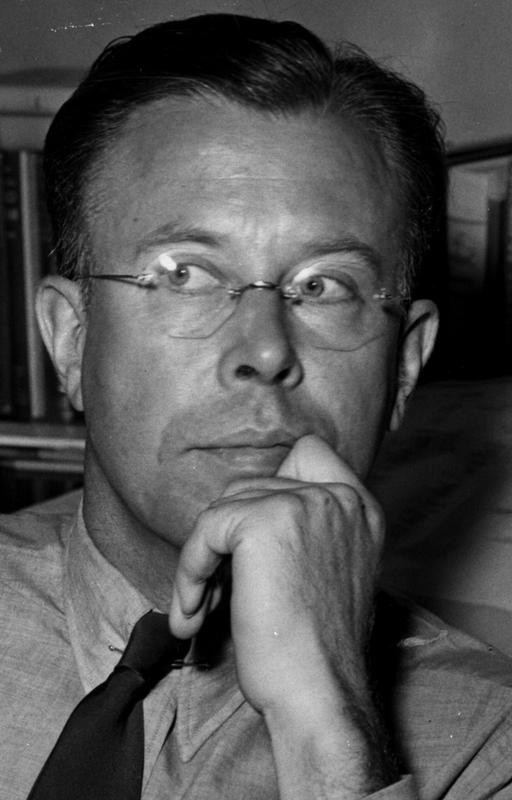
Ernest Orlando Lawrence
 United States
physicist•nuclear physicist•university teacher
تاريخ الميلاد
August 8, 1901
البرج
Leo
مكان الميلاد
Canton, South Dakota, USA
العمر
توفي عن عمر 57
الطول
5 ft 10 in (178 cm)
نبذة
كان إرنست أورلاندو لورنس فيزيائيًا أمريكيًا أعاد تشكيل العلم الحديث. حصل على جائزة نوبل في الفيزياء عام 1939 لاختراعه السيكلوترون، وهو مسرع جسيمات أصبح حجر الزاوية في الفيزياء النووية. لعب لورنس أيضًا دورًا رئيسيًا في مشروع مانهاتن، حيث طور فصل نظائر اليورانيوم الكهرومغناطيسي، وأسس مختبرين وطنيين رئيسيين: مختبر لورنس بيركلي الوطني ومختبر لورنس ليفرمور الوطني.
حصل لورنس على درجة الدكتوراه من جامعة ييل عام 1925 بعد الدراسة في جامعة داكوتا الجنوبية وجامعة مينيسوتا. في عام 1928، انضم إلى جامعة كاليفورنيا، بيركلي، كأستاذ مشارك وأصبح أصغر أستاذ كامل هناك بعد عامين. في إحدى الأمسيات في المكتبة، رأى رسمًا تخطيطيًا لمسرع خطي وتساءل عن كيفية جعله مضغوطًا. أدى هذا الإلهام إلى السيكلوترون، وهو غرفة دائرية بين قطبي مغناطيس كهربائي تعمل على تسريع الجسيمات إلى طاقات عالية.
بنى لورنس سيكلوترونات أكبر تدريجيًا، وفي عام 1936، أصبح مختبره الإشعاعي قسمًا رسميًا في جامعة كاليفورنيا مع لورنس كمدير. دافع عن الاستخدامات الطبية للنظائر المشعة. خلال الحرب العالمية الثانية، طور مختبره كالوترونات، وهي هجين من مطياف الكتلة والسيكلوترونات، لتخصيب اليورانيوم. تم بناء مصنع ضخم يسمى Y-12 في أوك ريدج بولاية تينيسي؛ ورغم عدم كفاءته، أنتج اليورانيوم لأول قنبلة ذرية.
بعد الحرب، أصبح لورنس مدافعًا قويًا عن العلم الكبير، وهو مشاريع كبيرة تتطلب آلات ضخمة وتمويلًا ضخمًا. أيد دفع إدوارد تيلر لإنشاء مختبر ثانٍ للأسلحة النووية، يقع في ليفرمور، كاليفورنيا. توفي لورنس في 27 أغسطس 1958 عن عمر يناهز 57 عامًا. أعادت جامعة كاليفورنيا تسمية مختبرَيْ ليفرمور وبيركلي باسمه. العنصر 103، اللورنسيوم، الذي اكتشف في بيركلي عام 1961، يحمل اسمه أيضًا.
النشأة والخلفية
نشأ لورنس في كانتون بولاية داكوتا الجنوبية، وهو ابن كارل جوستافوس لورنس وجوندا ريجينا جاكوبسون، وكلاهما مهاجران نرويجيان. كان والده مشرفًا على المدارس ووالدته معلمة. انتقلت العائلة إلى بيير عندما كان مراهقًا. في طفولته، كان لورنس فضوليًا تجاه العلم واستمتع بإجراء تجارب كيميائية بسيطة في قبو المنزل. التحق بجامعة داكوتا الجنوبية عام 1918، وكان ينوي في البداية دراسة الطب، لكنه تحول إلى الفيزياء بعد أن ألهمه البروفيسور لويس أكيلي. حصل على درجة البكالوريوس عام 1922، ثم انتقل إلى جامعة مينيسوتا للدراسات العليا، وحصل على درجة الماجستير عام 1923. تابع الدكتوراه في جامعة ييل، وأكملها عام 1925 بأطروحة عن التأثير الكهروضوئي. خلال سنواته في ييل، أصبح مهتمًا بمجال الفيزياء النووية الناشئ. جاءت اللحظة المحورية في عام 1929، عندما رأى لورنس، كأستاذ مشارك شاب في جامعة كاليفورنيا في بيركلي، رسمًا تخطيطيًا لمسرع خطي في مجلة في المكتبة، وابتكر فكرة السيكلوترون، وهو مسرع جسيمات دائري مضغوط. مهد هذا الإلهام الطريق لاختراقه.
المسيرة المهنية
جاء اختراق لورنس في عام 1931 عندما بنى أول سيكلوترون عامل في جامعة كاليفورنيا في بيركلي، وهو جهاز بحجم 4.5 بوصة قام بتسريع أيونات الهيدروجين إلى 80,000 إلكترون فولت. بناه باستخدام قطع غيار من جهاز إرسال لاسلكي بتكلفة حوالي 25 دولارًا. أكسبه هذا الجهاز جائزة نوبل في الفيزياء عام 1939. خلال الحرب العالمية الثانية، أدار فصل نظائر اليورانيوم الكهرومغناطيسي لمشروع مانهاتن، باستخدام كالوترونات في مصنع Y-12 في أوك ريدج بولاية تينيسي. في عام 1952، شارك في تأسيس مختبر لورنس ليفرمور الوطني للبحث في الأسلحة النووية. حصل أيضًا على وسام الاستحقاق عام 1946 وجائزة إنريكو فيرمي عام 1957. وضع عمله الأساس لفيزياء الجسيمات الحديثة وإنتاج النظائر الطبية.
الجدول الزمني للمسيرة
الصورة العامة والأسلوب
عُرف لورنس بنهجه النشط والعملي في العلم، حيث كان يرتدي معاطف المختبر ويعمل مباشرة مع المعدات. تم تصويره كرجل صاحب رؤية ومروج لا يكل للبحث واسع النطاق، وبطل العلم الكبير. سلطت التغطية الإعلامية الضوء على دوره في مشروع مانهاتن وإنشاء المختبرات الوطنية. تتركز قاعدة معجبيه بشكل كبير داخل مجتمع الفيزياء؛ يحتفل المتحمسون بذكرى ميلاده ووفاته بمحاضرات في مختبر لورنس بيركلي الوطني. لا يوجد اسم رسمي لقاعدة المعجبين. حضوره على وسائل التواصل الاجتماعي معدوم لأنه توفي قبل عصر الإنترنت.
الشهرة وجمهور المعجبين
Ernest Orlando Lawrence never sought fame, yet his name echoes through the halls of science. The man who built the first cyclotron from spare radio parts in 1929 became the architect of Big Science, transforming physics from a solitary pursuit into a national enterprise. His legacy is not measured in fan clubs or chart positions, it's measured in the laboratories, awards, and elements that bear his name.
In the world of physics, Lawrence is a towering figure, but outside of it, his fame is a quieter, more diffuse thing. iFANN's Global Fame Engine, which evaluates public recognition across media and cultural signals, has assessed Lawrence but found him currently unranked, he holds no placement in the global top 1,000 or any top-100 scope list. This is not a slight; it's a reflection of his sphere of influence, which lies in textbooks and institutional memory rather than daily headlines.
His fanbase, such as it is, has no formal name. There are no fan campaigns, no birthday billboards, no hashtag movements. Instead, his most devoted followers are the physicists and historians who study his work, and the institutions he founded, Lawrence Berkeley National Laboratory and Lawrence Livermore National Laboratory, that keep his memory alive through exhibits and the Ernest Orlando Lawrence Award. The Lawrence Hall of Science in Berkeley also preserves his story for curious visitors.
This is a different kind of fame, one built on achievement, not spectacle. Lawrence's name may not trend on social media, but it is etched into the periodic table and the history of science. That, perhaps, is the most enduring form of recognition.
حقائق مثيرة للاهتمام وأساطير
Lawrence's first cyclotron cost about $25 and used spare radio parts. He was a close friend of J. Robert Oppenheimer and supported Oppenheimer's security clearance during the 1954 hearings. An avid sailor, he owned a yacht named The Cyclotron. He turned down an offer to become the first director of the Manhattan Project in 1942, recommending Oppenheimer instead. The element lawrencium (Lr) was named in his honor in 1961, three years after his death. He was inducted into the National Inventors Hall of Fame in 1988.
One of the most retold stories from his career is the moment of inspiration for the cyclotron. In 1929, Lawrence reportedly glanced at a paper by Norwegian physicist Rolf Widerøe in a university library and had a sudden flash of insight, the idea for a machine that could accelerate particles in a spiral. He and graduate student M. Stanley Livingston built the first working model in 1931, a device just four inches across that could be held in one hand, yet it successfully accelerated hydrogen ions to 80,000 electron volts. The story of this tiny machine, assembled with sealing wax and brass in a cramped basement workshop, is a favorite among physicists and science enthusiasts.
Another legendary episode is the saga of the 184-inch cyclotron, designed to be the world's most powerful accelerator. Construction was interrupted by World War II, and after the war, Lawrence redesigned it using new synchrotron principles. Completed in 1946, it became the prototype for all subsequent high-energy accelerators, cementing his reputation as a pioneer of large-scale physics.
اقتباسات بارزة
“The cyclotron is a machine that will enable us to explore the nucleus of the atom.”
“We are entering an era of big science. The problems are too large for a single man to solve.”
“I have never been able to understand why a man should be afraid of a little hard work.”
العائلة والحياة الشخصية
تزوج لورنس من ماري ك. بلومر في 14 مايو 1932. كانت ماري ابنة فيزيائي من ييل، والتقيا من خلال الأوساط الأكاديمية. أنجب الزوجان ستة أطفال: جون ومارجريت وماري وروبرت وباربرا وسوزان. عاشت الأسرة في بيركلي، كاليفورنيا، حيث عمل لورنس. كان أبًا مخلصًا غالبًا ما أشرك أطفاله في اهتماماته العلمية، وأخذهم إلى المختبر في عطلات نهاية الأسبوع. استمر الزواج حتى وفاة لورنس في عام 1958. لا توجد تفاصيل عائلية مهمة أخرى موثقة علنًا.
صلات بارزة
كان لورنس صديقًا مقربًا وزميلًا لـ ج. روبرت أوبنهايمر، وأوصى به لقيادة مشروع مانهاتن. تعاون مع إدوارد تيلر في القنبلة الهيدروجينية ودعم دفع تيلر لإنشاء مختبر ثانٍ للأسلحة. كان لويس ألفاريز طالبًا وزميلًا في المختبر الإشعاعي، وأصبح لاحقًا حائزًا على نوبل. عمل جلين تي سيبورغ في المختبر، واكتشف البلوتونيوم، وترأس لاحقًا هيئة الطاقة الذرية. كانت زوجته ماري ك. بلومر شريكة حياته.
العلاقات وتاريخ المواعدة
تزوج إرنست لورانس من ماري ك. بلومر في 14 مايو 1932. بدأت العلاقة في أواخر العشرينيات عندما كان كلاهما في جامعة ييل؛ كانت ماري ابنة أستاذ فيزياء. أنجبا ستة أطفال معًا. استمر الزواج حتى وفاة لورانس في عام 1958. لا توجد علاقات رومانسية عامة أخرى موثقة؛ كانت حياة لورانس الشخصية خاصة ومركزة على أسرته وعمله. اعتبارًا من عام 2026، لورانس متوفى، ولا توجد علاقة رومانسية حالية.
- متزوجMary K. Blumer1932 - 1958تزوج في 14 مايو 1932؛ أنجب ستة أطفال معًا؛ استمر الزواج حتى وفاة لورانس.
الوفاة وما بعدها
تُوفي
August 27, 1958 (عن عمر 57 عامًا)
مكان الوفاة
Palo Alto, California
سبب الوفاة
غير معروف
The University of California announced the passing of Ernest Orlando Lawrence on August 27, 1958, confirming his death at a medical facility in Palo Alto, California. The physicist, who had spent decades driving the boundaries of nuclear science, succumbed to an illness that authorities never publicly detailed in specific terms. Tributes flowed immediately from the highest levels of American science and government. The scientific community marked his loss with a significant memorial event on May 1, 1959, where the American Institute of Physics hosted invited lectures dedicated to the history of the cyclotron. Articles in Physics Today and Chemistry World reflected on his dual legacy as the inventor of the particle accelerator and a key architect of the Manhattan Project.
These publications avoided sensationalism, focusing instead on the technical and historical weight of his contributions to nuclear physics. His legacy was cemented through immediate institutional action rather than traditional funeral rites. The Department of Energy established the Ernest Orlando Lawrence Award to recognize outstanding contributions in science and technology, a honor bestowed annually since his death. The University of California honored him by naming its premier research facility after him, ensuring his name remained central to the field he helped create.
الثروة (قيمة التركة)
$1 Million
تقدير فريق تحرير iFANN
Ernest Lawrence died in 1958, and his estate was modest by modern standards. Research by the iFANN Editorial Team puts his estate's value at approximately $1 million, a figure that reflects his life as a public servant and academic rather than a commercial figure. The estate's worth is primarily tied to ongoing royalties from patents, such as the cyclotron patent, and licensing of his name. The Ernest Orlando Lawrence Award, funded by the U.S. government, is a separate legacy that honors mid-career scientists. The estate is managed by the Lawrence family trust, and no posthumous releases or merchandise generate significant revenue. Lawrence's true wealth lies in his scientific contributions, which continue to shape physics and national laboratories.
الجوائز الفائزة (6)
فاز لورانس بجائزة نوبل في الفيزياء عام 1939 لاختراعه السيكلوترون. كما حصل على جائزة كومستوك في الفيزياء (1937)، وميدالية الاستحقاق (1946)، وميدالية هيوز (1951)، وجائزة إنريكو فيرمي (1957)، وجائزة سيلفانوس ثاير (1958). كرمت هذه الجوائز إسهاماته في الفيزياء النووية والدفاع الوطني.
1937 · الفيزياء
Cyclotron
1939 · الفيزياء
Cyclotron
اشتهر بـ
Invention of the cyclotron
1931 · Inventor
Manhattan Project
1942 · Director of electromagnetic isotope separation
Lawrence Berkeley National Laboratory
1936 · Founder and director
Lawrence Livermore National Laboratory
1952 · مؤسس مشارك
كلمات مفتاحية
حقائق سريعة
- المهنة
- physicist, nuclear physicist, university teacher
- وُلد
- +1901-08-08
- مكان الميلاد
- Canton
- تُوفي
- +1958-08-27
- مكان الوفاة
- بالو ألتو
- الجنس
- ذكر
- الزوج/الزوجة
- Mary K. Blumer
- البرج
- Leo
التفاصيل الشخصية
- الاسم الكامل
- Ernest Orlando Lawrence
- الطول
- 5 ft 10 in (178 cm)
- الزوج/الزوجة
- Mary K. Blumer
- الأبناء
- 6
- التعليم
- University of South Dakota (BA, 1922); University of Minnesota (MS, 1923); Yale University (PhD, 1925)
الأسئلة الشائعة
كيف مات إرنست لورانس؟
ما هي ثروة إرنست لورانس في عام 2026؟
هل أنجب إرنست لورانس أطفالًا؟
بماذا يشتهر إرنست لورانس؟
هل إرنست لورانس مرتبط بمختبر لورانس ليفرمور؟
أشخاص مشابهون
انضم إلى المجتمع
معجب يناقشون