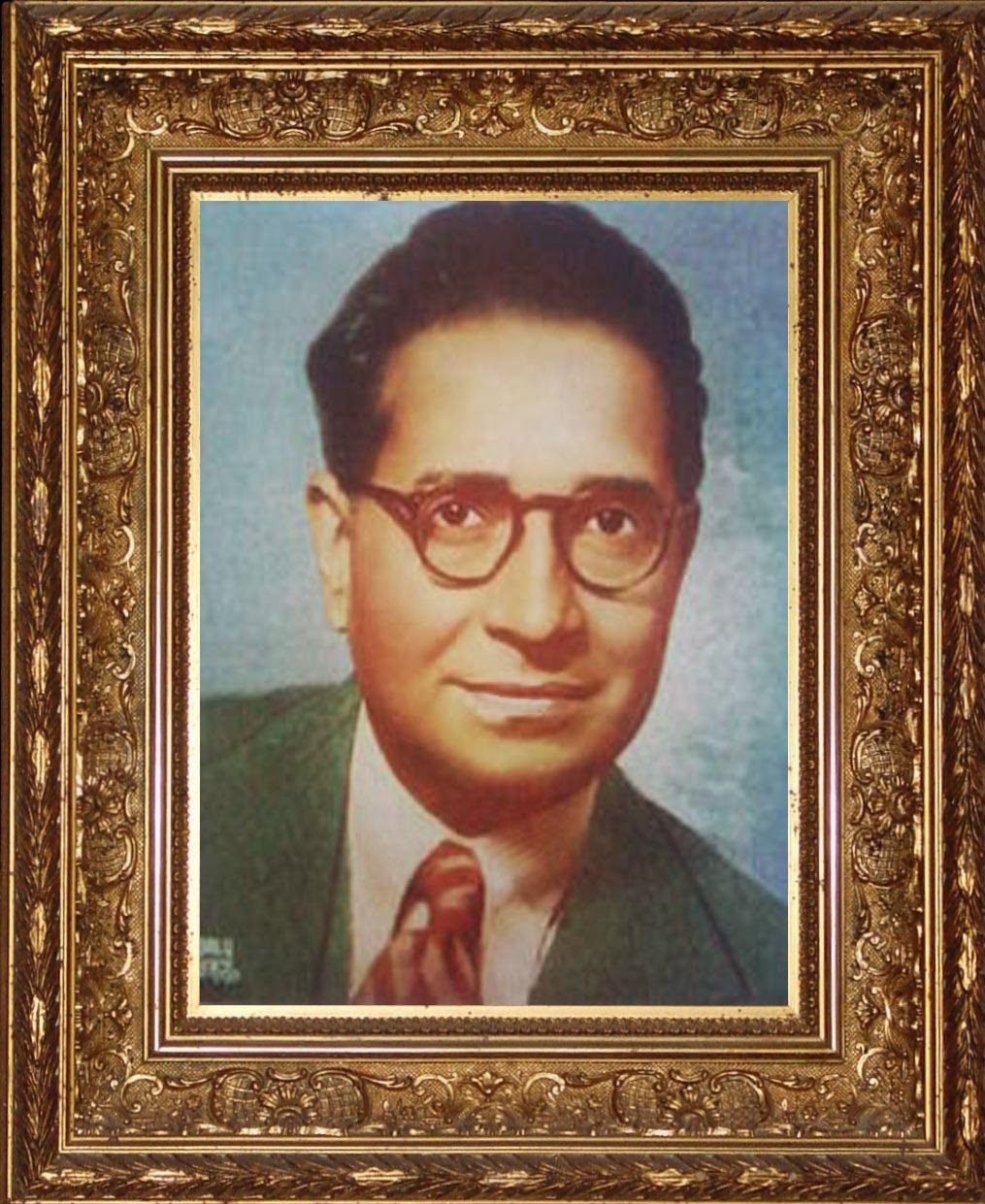
Kariamanickam Srinivasa Krishnan
 India
IndiaAlso known as: K. S. Krishnan, Sir K. S. Krishnan
تاريخ الميلاد
December 4, 1898
البرج
Sagittarius
مكان الميلاد
Watrap, Tamil Nadu, India
العمر
توفي عن عمر 62
نبذة
كان كاريامانيكام سريينيفاسا كريشناان فيزيائيًا وعالم فلك هندي ساعدت براعته التجريبية في كشف ظاهرة أساسية للضوء. وهو معروف على نطاق واسع بأنه المشارك في اكتشاف تشتت رامان، وهو التأثير الذي فاز به معلمه سي. في. رامان بجائزة نوبل في عام 1930. وقد وضع عمل كريشناان الدقيق الأسس التجريبية والنظرية لهذا الاكتشاف.
إلى جانب تأثير رامان، قدم كريشناان مساهمات رائدة في الخصائص المغناطيسية للبلورات، وطور تقنيات لقياس التباين المغناطيسي. كان في منزله على حد سواء مع النظرية والتجربة، وهو مزيج نادر جعله أحد أكثر الفيزيائيين تنوعًا في الهند. وبصفته المدير الأول للمختبر الوطني الفيزيائي، ساعد في تشكيل البنية التحتية العلمية للهند بعد الاستقلال. وانتخب زميلاً في الجمعية الملكية في عام 1940 وحصل على بادما بوشان في عام 1954.
النشأة والخلفية
ولد كريشناان في عائلة براهمين في فيلوبانور، وهي قرية بالقرب من واتراب في تاميل نادو. كان والده مزارعًا وعالمًا متعمقًا في الأدب والفلسفة التاميلية، وأدارت والدته الأراضي الزراعية للعائلة. ورث كريشناان عن والده حب الكلاسيكيات التاميلية والملحميات.
بدأ تعليمه في مدرسة واتراب الثانوية الهندوسية العليا، ثم انتقل إلى الكلية الأمريكية في مادوراي. واصل دراسته في كلية مدراس المسيحية، حيث حصل على درجة في الفيزياء. بعد التخرج، عمل كمساعد في الكيمياء في نفس الكلية. أصبحت محادثاته غير الرسمية حول الفيزياء والكيمياء خلال استراحة الغداء شائعة جدًا لدرجة أن الطلاب كانوا يتجمعون للاستماع. خلال هذه الفترة، لفت فضوله العلمي انتباه سي. في. رامان، الذي دعاه إلى كلكتا في عام 1920.
المسيرة المهنية
في عام 1920، انضم كريشناان إلى سي. في. رامان في الجمعية الهندية لتعزيز العلوم في كلكتا. كان التعاون مكثفًا. على مدى السنوات الثماني التالية، استكشفوا تشتت الضوء في السوائل والمواد الصلبة. في عام 1928، لاحظوا أن الضوء المتشتت يحتوي على أطوال موجية لم تكن موجودة في الشعاع الأصلي، وهو تأثير رامان. ووصف كريشناان لاحقًا هذه الفترة بأنها الأكثر إشباعًا لحياته العلمية.
بعد الاكتشاف، انتقل كريشناان إلى جامعة داكا كمحاضر، حيث حول تركيزه إلى المغناطيسية. طور طرقًا لقياس التباين المغناطيسي للبلورات، وهو عمل لا يزال مؤثرًا. في عام 1942، أصبح رئيسًا لقسم الفيزياء في جامعة الله أباد. ثم في عام 1948، عينه رئيس الوزراء جواهر لال نهرو كأول مدير للمختبر الوطني الفيزيائي في نيودلهي. هناك، بنى كريشناان برامج بحثية، ووظف علماء شباب، وأسس مختبرات معايير أصبحت العمود الفقري لقياسات الهند.
الجدول الزمني للمسيرة
الصورة العامة والأسلوب
يُذكر كريشناان كعالم متفانٍ ومهندس رئيسي للفيزياء الهندية. غالبًا ما يُطلق عليه الرجل الذي يقف وراء أول جائزة نوبل آسيوية في العلوم، وهو لقب يلخص مساهمته والظل الذي ألقاه شهرة رامان. في الأوساط العلمية الهندية، يحظى بالاحترام لسلامته، ومنهجه العملي في المختبر، ودوره في بناء المؤسسات. لا يوجد مجتمع معجبين منظم، ولكن يتم الاحتفال بإرثه سنويًا في ذكرى ميلاده ووفاته من قبل الأكاديميات العلمية.
الشهرة وجمهور المعجبين
Kariamanickam Srinivasa Krishnan stands as a monumental figure in the history of Indian science, revered not for celebrity status but for his pivotal role in one of physics' greatest discoveries. Despite being the essential experimentalist behind the Raman Effect, he does not currently hold a placement in the published Global Top 1,000 or any Top-100 scope list within the iFANN rankings. This absence reflects the unique nature of his legacy; while he commands immense respect among physicists and historians, he lacks the mass-market commercial metrics that drive modern fame charts. The scientific community has long debated whether his contributions were overshadowed by his mentor C.V. Raman, a narrative that has sparked renewed academic interest in recent years rather than a surge in pop culture visibility. His recognition remains anchored in institutional naming, academic citations, and the annual observance of National Science Day, where his work is acknowledged alongside Raman's Nobel Prize. There is no formal fandom name associated with Krishnan, nor are there organized fan clubs, social media campaigns, or ritualistic gatherings dedicated to him. Instead, his audience consists of students, researchers, and science communicators who advocate for a more complete historical record of his life. This intellectual rediscovery serves as his form of tribute, ensuring that the story of the man who helped unlock the secrets of light scattering is told with the gravity it deserves. While he never experienced the frenzy of a rock star or the adoration of a movie idol, his standing in the annals of science is absolute, securing his place as a foundational architect of independent India's research infrastructure.
حقائق مثيرة للاهتمام وأساطير
Kariamanickam Srinivasa Krishnan possessed a rare ability to captivate audiences with stories from the Ramayana and Mahabharata, often weaving deep philosophical insights into his narratives. His dedication was so profound that he began laboratory work at 6 a.m. every single day. Beyond the lab, he was a passionate football fan who spent many evenings watching matches. He was fluent in Sanskrit and Tamil, possessing a deep knowledge of their classical literature that complemented his scientific rigor. Colleagues frequently noted that he was equally skilled in theory and experiment, a combination that set him apart from his peers. The most enduring legend surrounding Krishnan involves his critical role in the co-discovery of the Raman Effect. While C.V. Raman received the Nobel Prize in 1930, a persistent story in scientific circles credits Krishnan with conducting the crucial experiments that proved the effect was real. This narrative of the "unsung hero" who laid the groundwork while receiving less public acclaim has become a central part of his lore, sparking ongoing discussions about credit attribution in science. Another iconic chapter in his life is his appointment as the first Director of the National Physical Laboratory in New Delhi following India's independence. This achievement is widely cited as a reflection of his leadership, marking the beginning of organized scientific research infrastructure in the newly independent nation.
العائلة والحياة الشخصية
صلات بارزة
العلاقات وتاريخ المواعدة
الوفاة وما بعدها
تُوفي
June 14, 1961 (عن عمر 62 عامًا)
مكان الوفاة
New Delhi
سبب الوفاة
reported heart attack
Sir Kariamanickam Srinivasa Krishnan passed away early in the morning of June 14, 1961, in New Delhi, as reported by contemporary accounts including The New York Times. The eminent physicist and co-discoverer of Raman scattering succumbed to a heart attack at the age of 62, marking the end of a life dedicated to unlocking the fundamental properties of light and magnetism., the medical cause was established through immediate reports from his location without dispute regarding the date or circumstances of his passing. The scientific community and the nation responded with profound reverence rather than mass public gatherings.
Prime Minister Jawaharlal Nehru offered a defining tribute, describing Krishnan as a perfect citizen, a sentiment that echoed through official retrospectives and cemented his status within India's intellectual history. His legacy had already been secured by his pivotal role alongside C.V. Raman in the discovery that earned the Nobel Prize, and he remained a respected figure even after receiving the Bharat Ratna posthumously in 1958. Although specific details about funeral arrangements or burial locations remain unrecorded in standard sources, his contributions were immortalized through the National Physical Laboratory in New Delhi, an institution he helped establish as its first director.
In the decades following his death, Krishnan became the subject of numerous academic publications and biographies aimed at highlighting his foundational role in Indian science. He was inducted into various halls of fame and recognized as a key architect of the country's scientific infrastructure, with his life story frequently featured in documentaries and news segments discussing his proof of the Raman Effect. No films or books focus solely on his demise, yet his influence persists through the standards laboratories and research programs he built.
الجوائز الفائزة (4)
انتخب كريشنان زميلًا في الجمعية الملكية عام 1940، وهو أحد أعلى التكريمات للعلماء. حصل على وسام بادما بوشان، ثالث أعلى جائزة مدنية في الهند، عام 1954. كما حصل على لقب فارس وجائزة بهاتناغار.
1940 · العلوم
1954 · مدني
اشتهر بـ
Co-discovery of Raman scattering
1928 · مكتشف مشارك
Magnetic anisotropy of crystals
1930 · باحث
First Director of National Physical Laboratory
1948 · مخرج
كلمات مفتاحية
المصادر
حقائق سريعة
- المهنة
- physicist, astrophysicist
- وُلد
- December 4, 1898
- مكان الميلاد
- Watrap, Tamil Nadu, India
- تُوفي
- June 14, 1961
- الجنس
- ذكر
- البرج
- Sagittarius
التفاصيل الشخصية
- الاسم الكامل
- Kariamanickam Srinivasa Krishnan
- التعليم
- Madras Christian College (Physics degree)
الأسئلة الشائعة
من هو كاريامانيكام سريينيفاسا كريشناان؟
ما هو تأثير رامان وما هو دور كريشناان؟
ما هي المساهمات العلمية الأخرى لكريشناان؟
ما هو دور كريشنان في إدارة العلوم الهندية؟
متى وأين ولد ك. س. كريشنان ومتى توفي؟
أشخاص مشابهون
انضم إلى المجتمع
معجب يناقشون